The Amsterdam issue, October 2026
Amsterdam
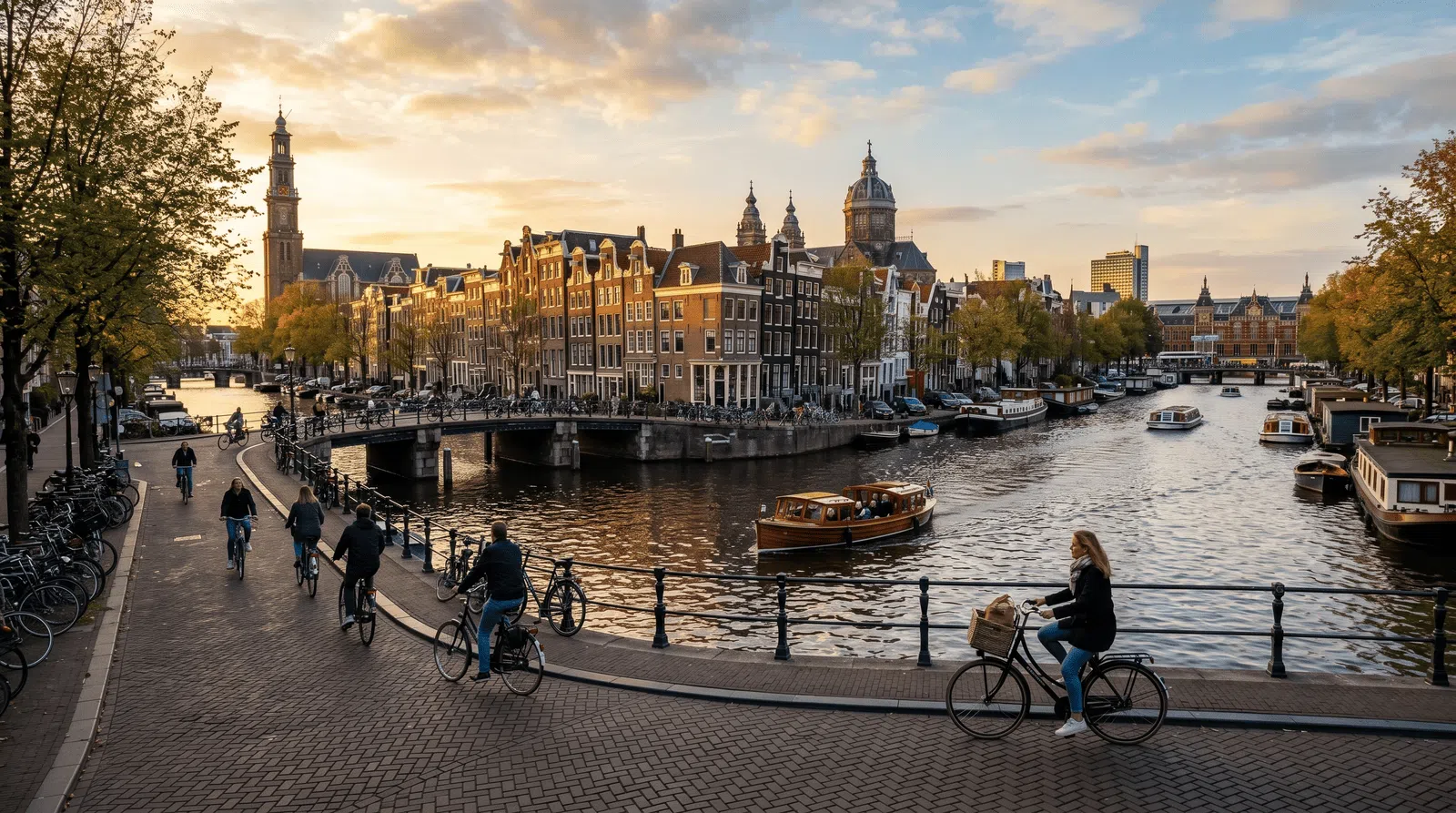
Amsterdam is a city built on edges: water against brick, bicycles against trams, old canal houses against a skyline that still keeps its scale in check.
Plan your Amsterdam trip
Live prices from our booking partners.
Guests & rooms
Free cancellation on many rooms. We may earn a commission when you book.
The Amsterdam reading list
All 40 Amsterdam stories
Tours and ticketsThe lead story
Inside the Royal Palace on Amsterdam's Dam Square
A working royal building that opens about 230 days a year. What €13.50 gets you inside, how long to allow, and the closures nobody warns you about.
Robin Haas
Tours and tickets
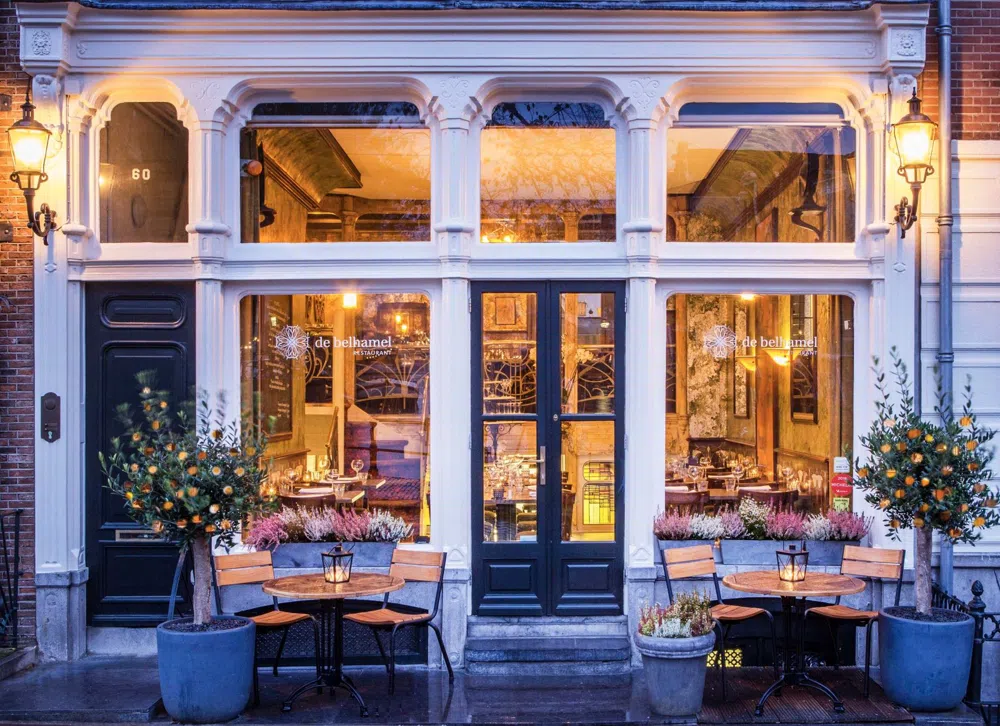
Eating Your Way Along Amsterdam's Brouwersgracht
A kilometre of Amsterdam canal with apple pie, herring, brown cafés, jenever and a Michelin star on it: what to eat, what it costs and what you have to book.
Giulia Marchetti
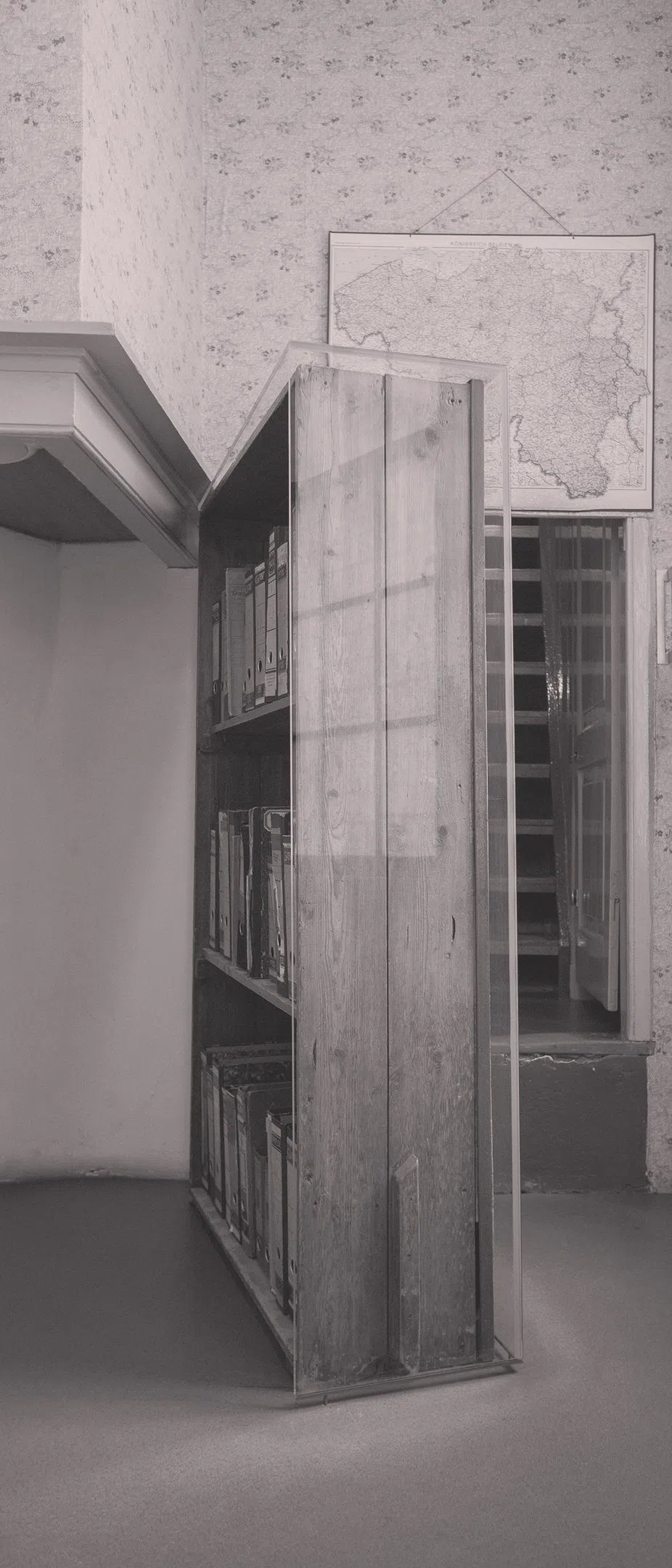
What to Book Before an October Trip to Amsterdam
The Anne Frank House releases tickets six weeks ahead to the minute, and a dance festival reprices the whole city for five days. Almost every museum now sells timed slots only. This is the order a first-timer should book in.
Robin Haas
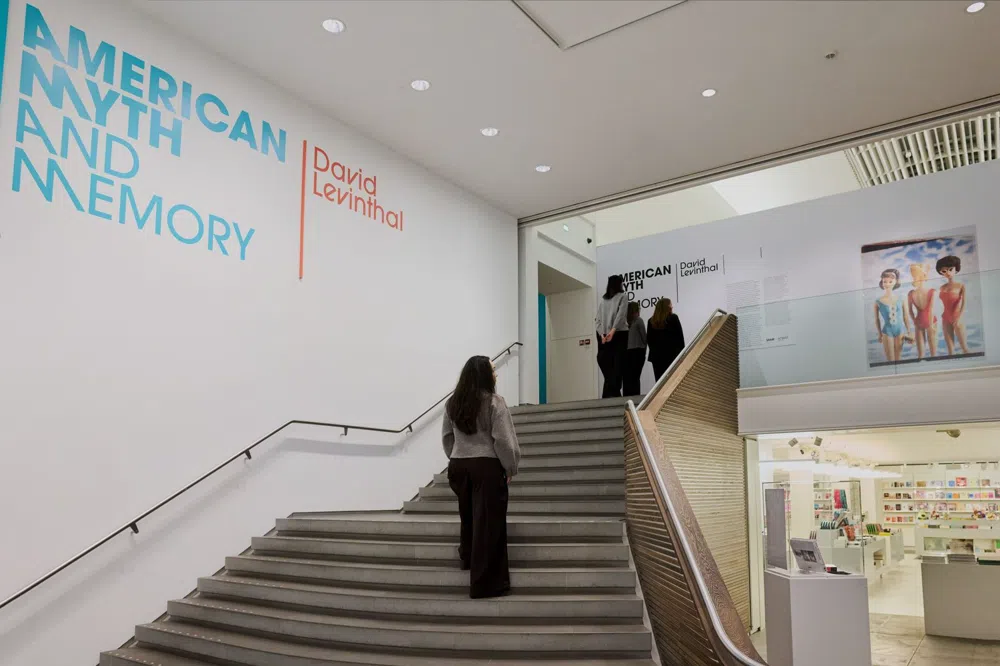
A First-Timer's Unhurried October Weekend in Amsterdam
Three bookings need doing early: the museums, the boat and the small dining room. Everything else in Amsterdam gets easier once those are done.
Robin Haas
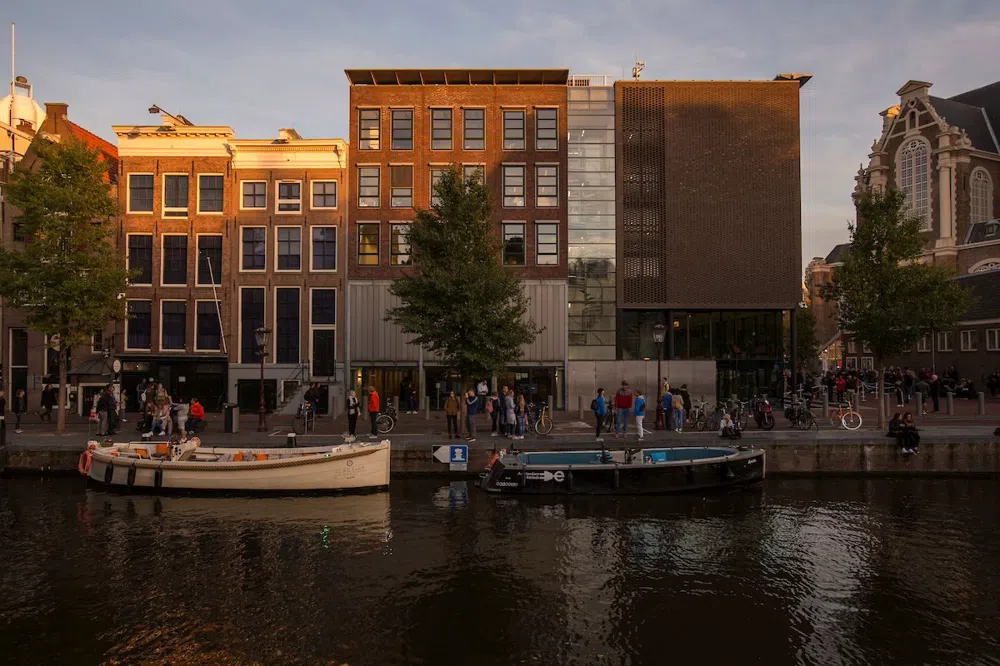
Amsterdam on €80 a Day, Museums Included
Three days in Amsterdam for roughly the price of one restaurant week. The booking order does most of the work, and the free ferries and market plates do the rest.
Robin Haas
More from the Amsterdam issue
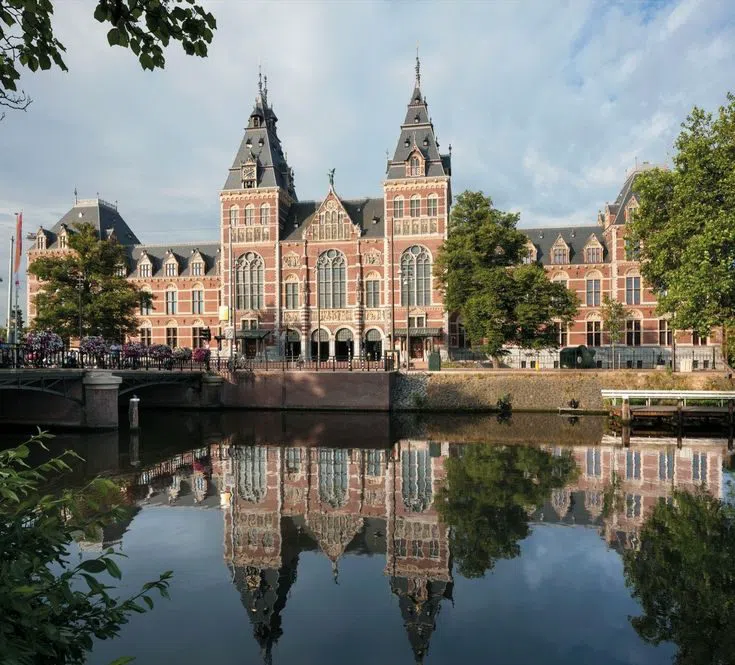
How Long to Stay in Amsterdam Without Wasting a Day
Robin Haas
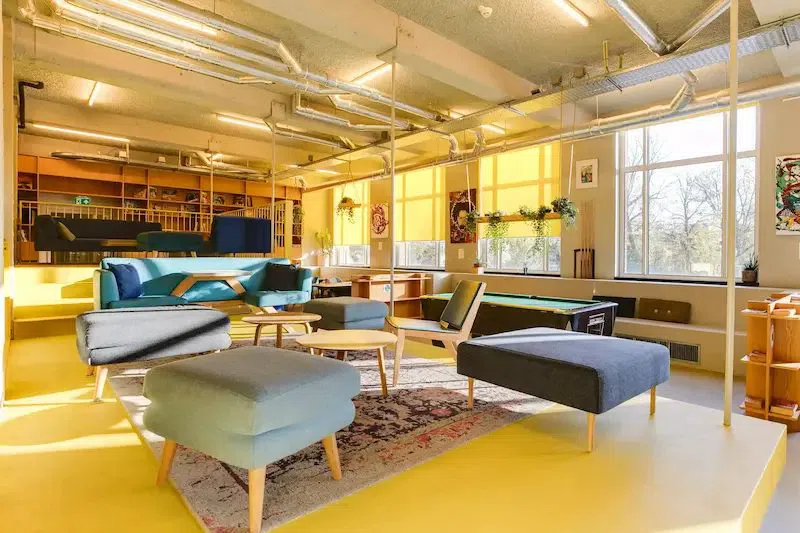
Where to Sleep in Amsterdam on Your First Solo Trip
Robin Haas

Walking Amsterdam's Canals in October Between Museum Slots
Robin Haas
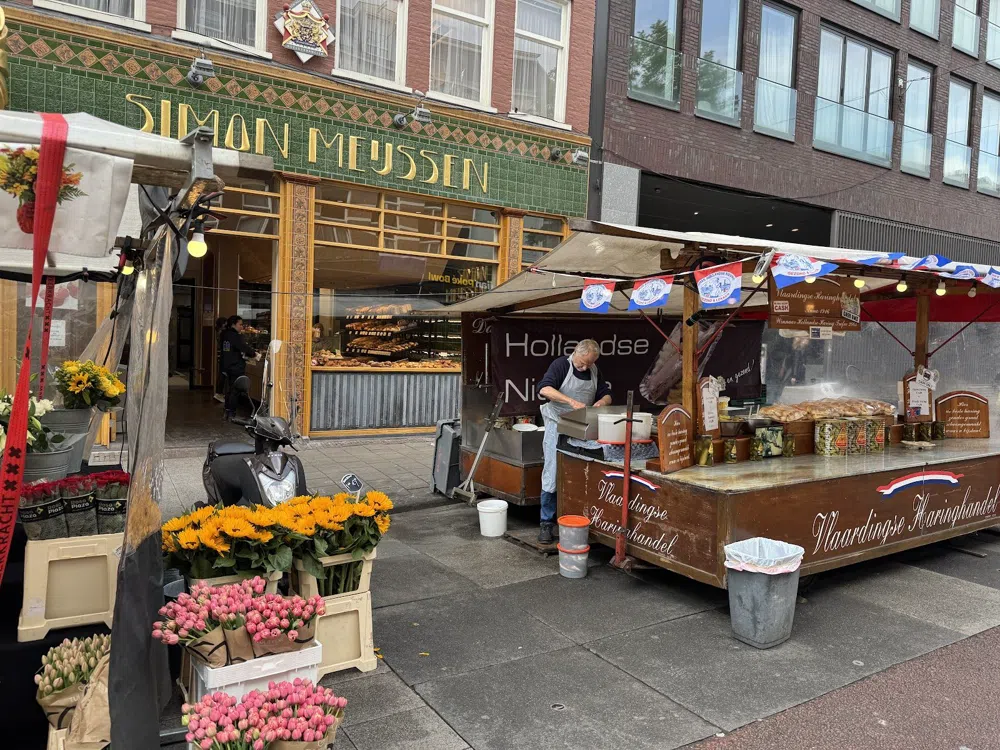
Your First Amsterdam Weekend Without the Museum Queue
Robin Haas

Five Days of Amsterdam Dance Event, Room by Room
Robin Haas
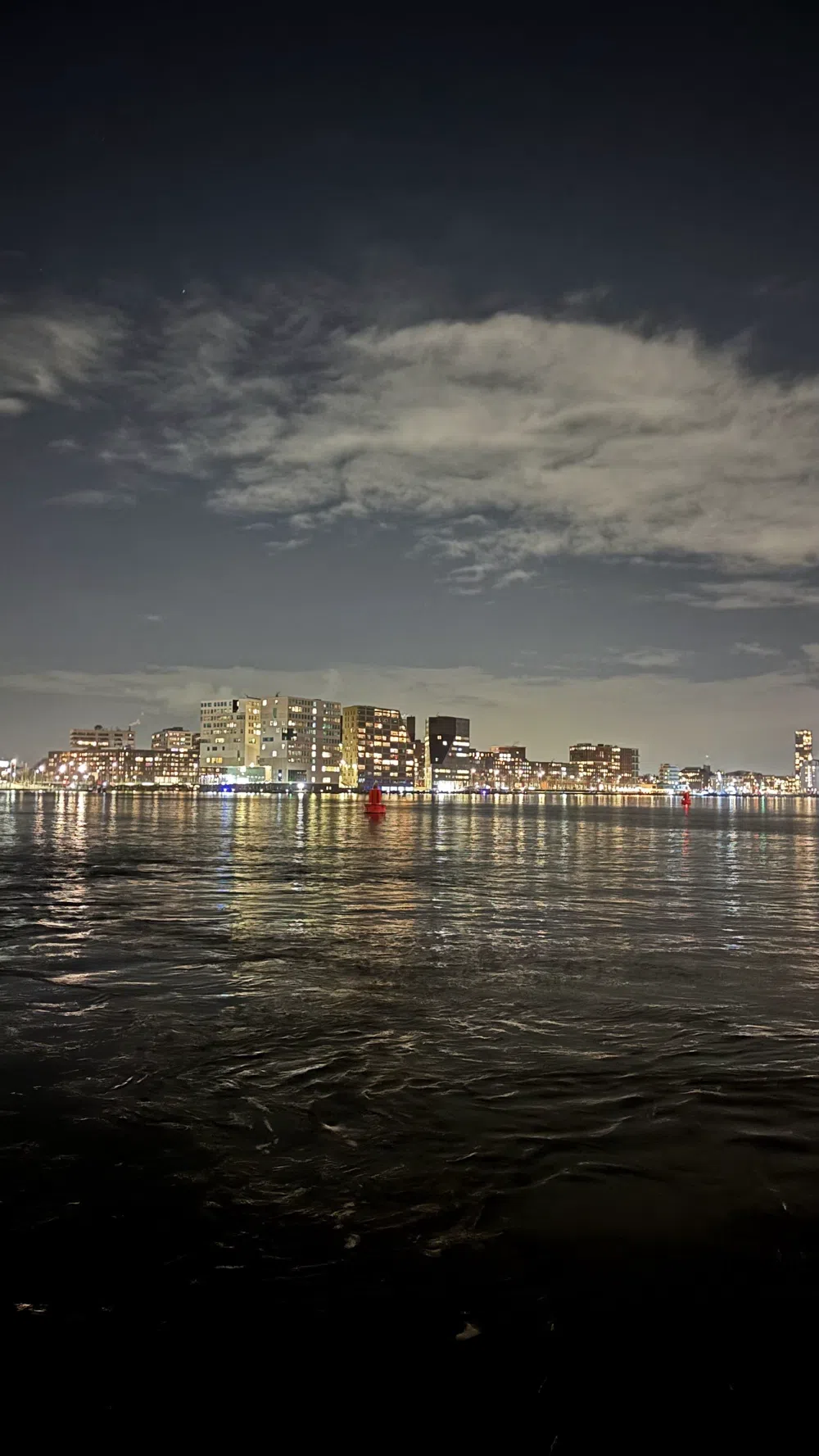
The Free Fleet: Amsterdam's IJ Ferries and the North Bank That Opened Overnight
Robin Haas

How Amsterdam Lights Its Canals Through Winter 2026
Robin Haas
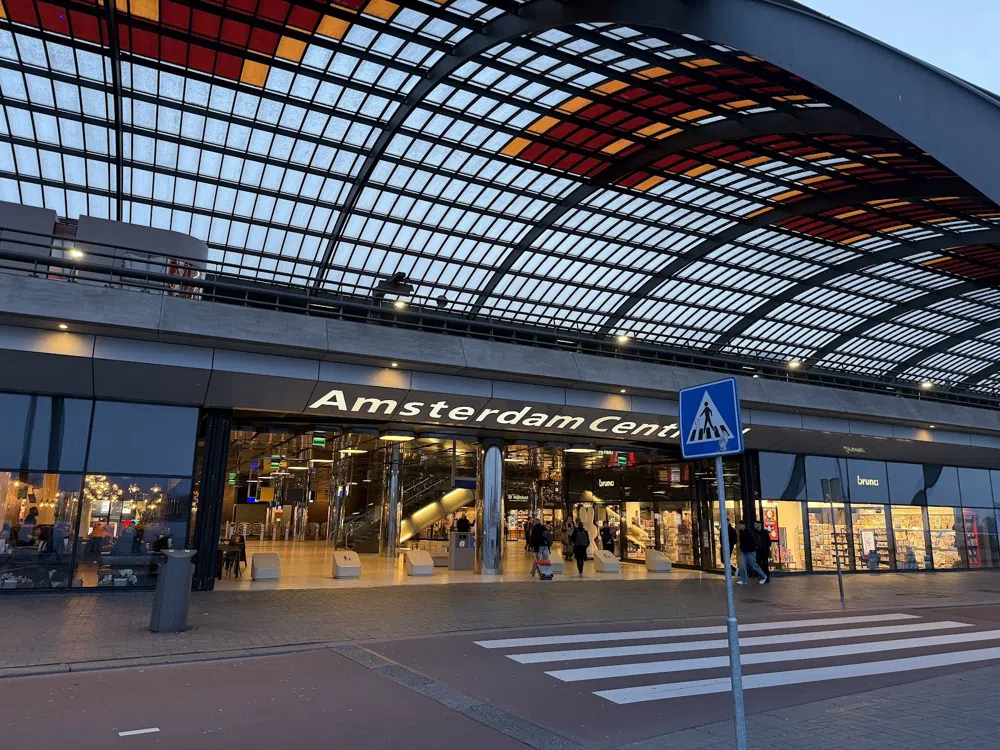
Amsterdam on Two Wheels: Ferries, Free Routes, and the Unwritten Rules of the Bike Lane
Robin Haas
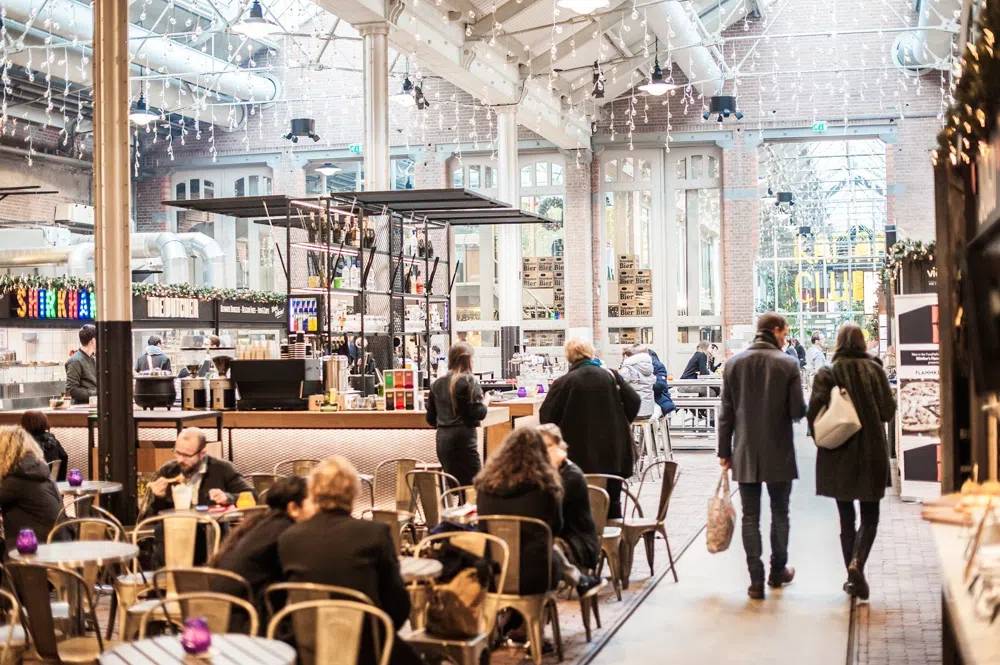
Your First Amsterdam Lunch Belongs in a Market Hall
Giulia Marchetti
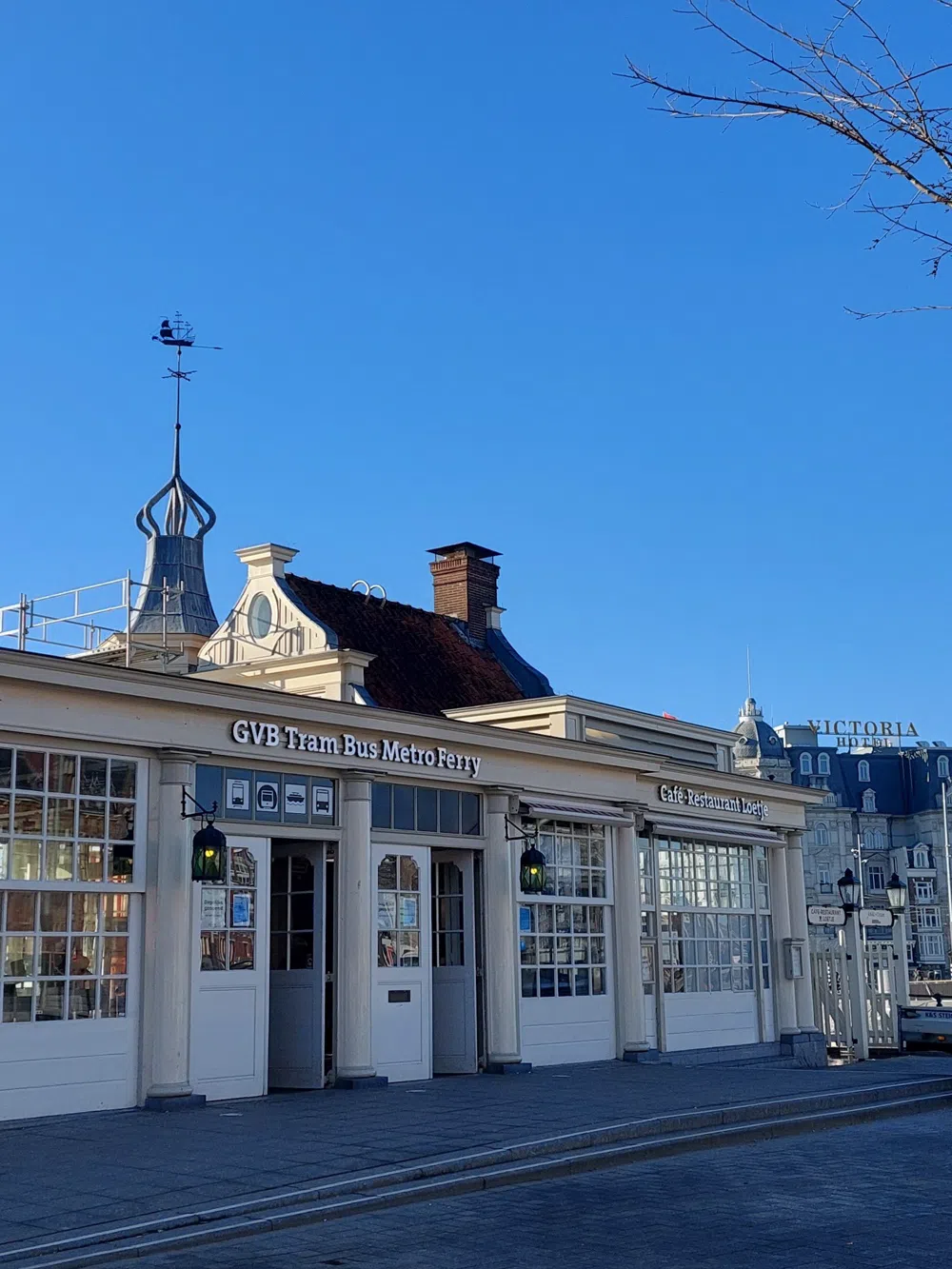
Amsterdam by Tram When You Don't Want a Bike
Robin Haas
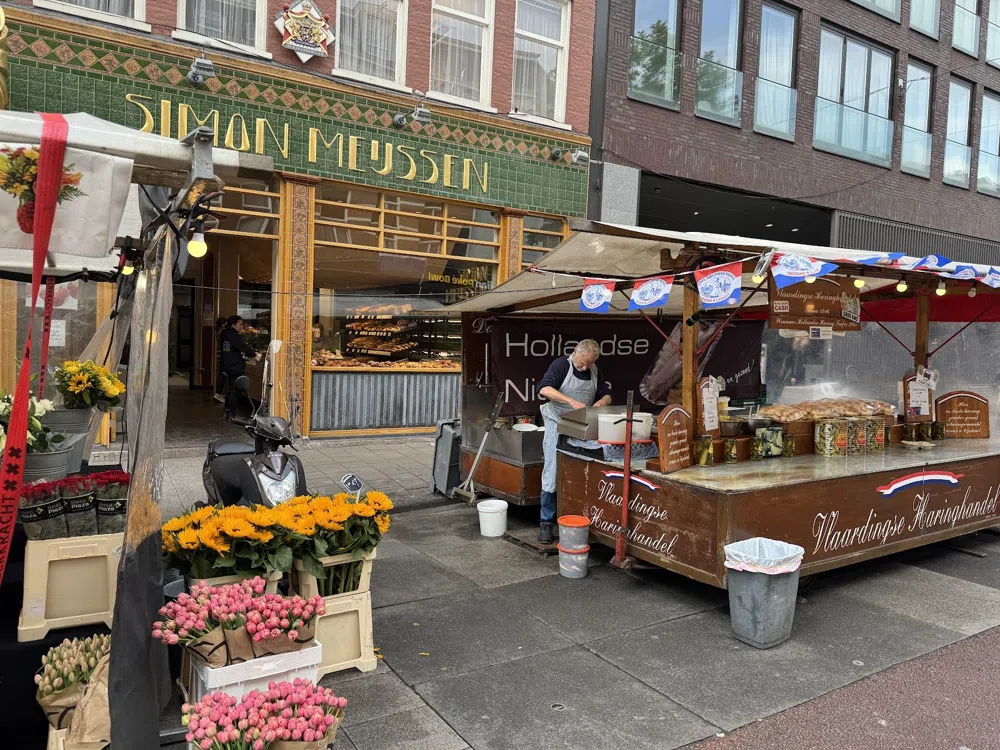
Stalls, Stroopwafels and the Art of the Bargain: Amsterdam's Street Markets, Ranked
Giulia Marchetti

Day Trips from Amsterdam Worth Building a Week Around
Robin Haas
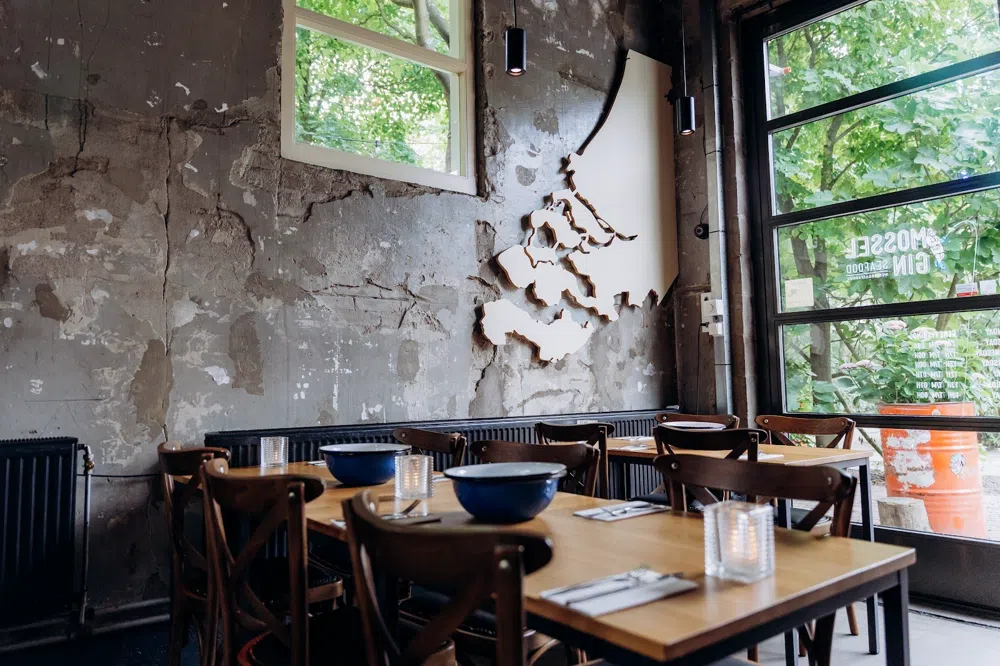
Two Days of Food and Art in Amsterdam's Westerpark
Giulia Marchetti
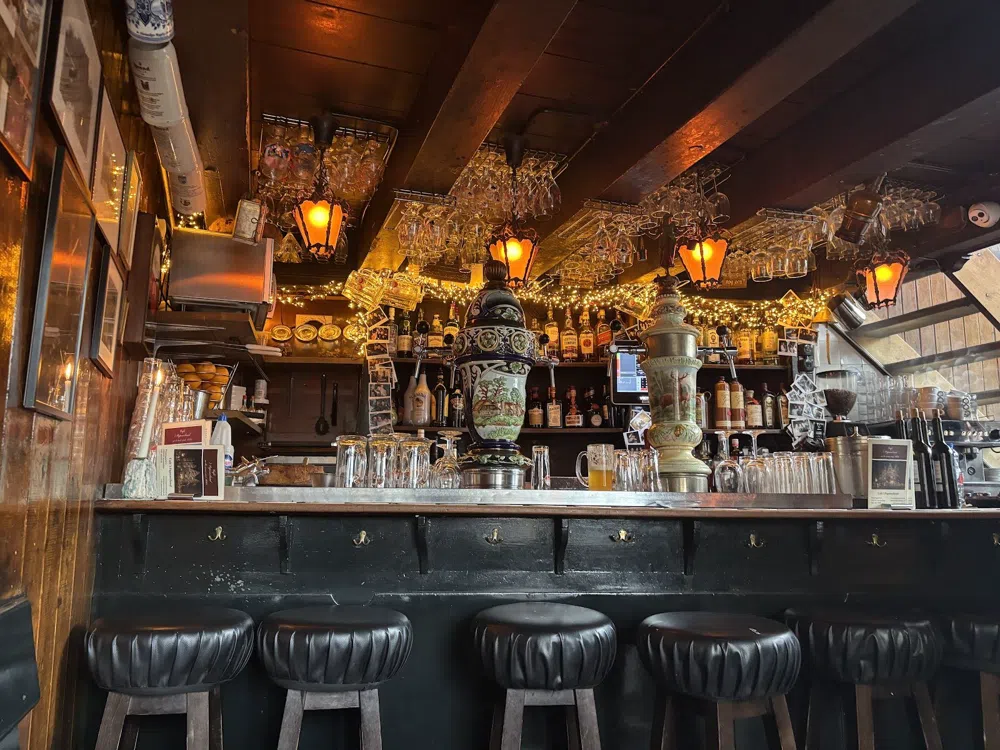
Amsterdam's Best Brown Cafés That Locals Actually Drink In
Robin Haas
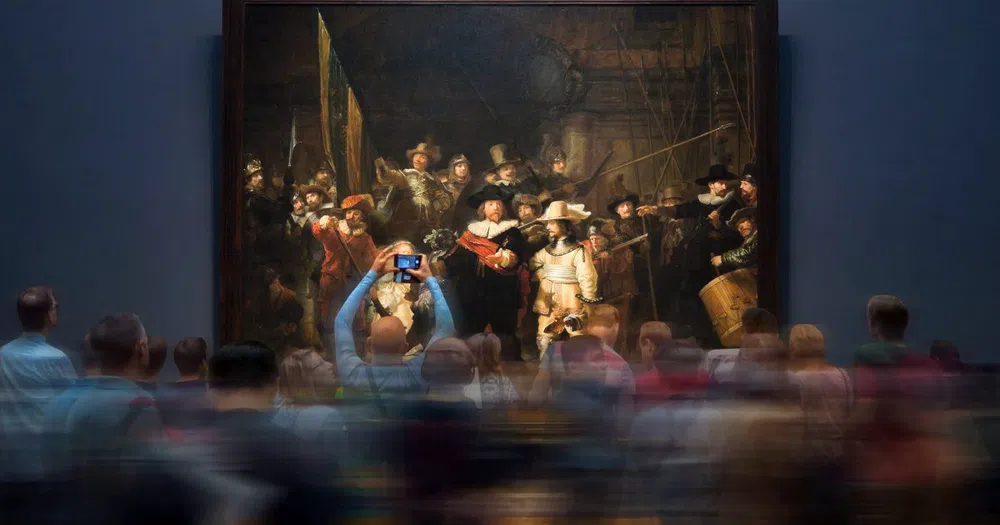
Amsterdam in September for Milder Days and Shorter Queues
Robin Haas
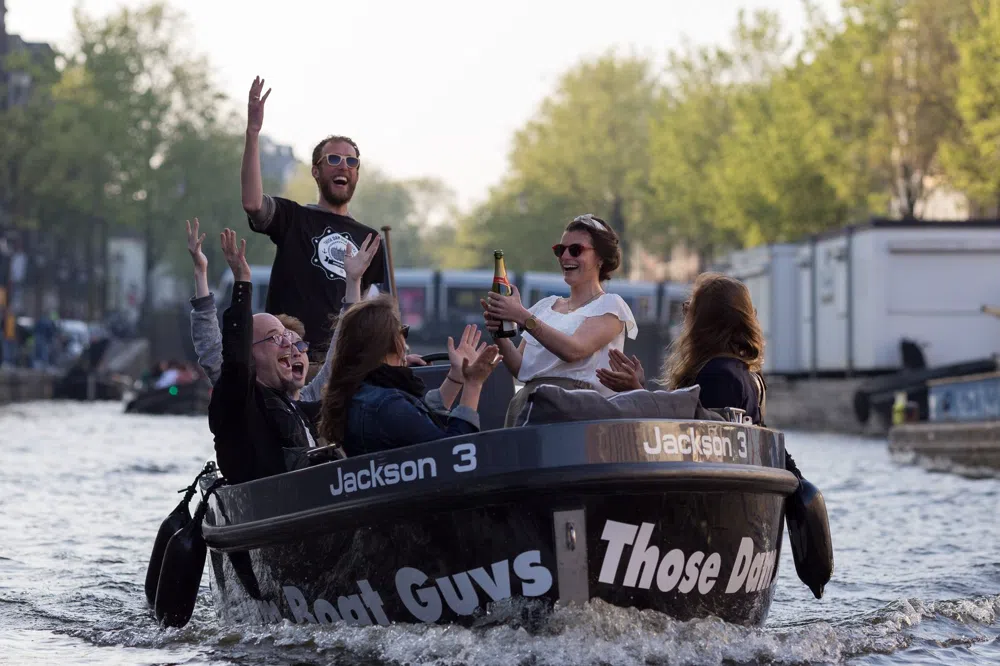
The Water That Built Amsterdam: Inside the Grachtengordel
Robin Haas
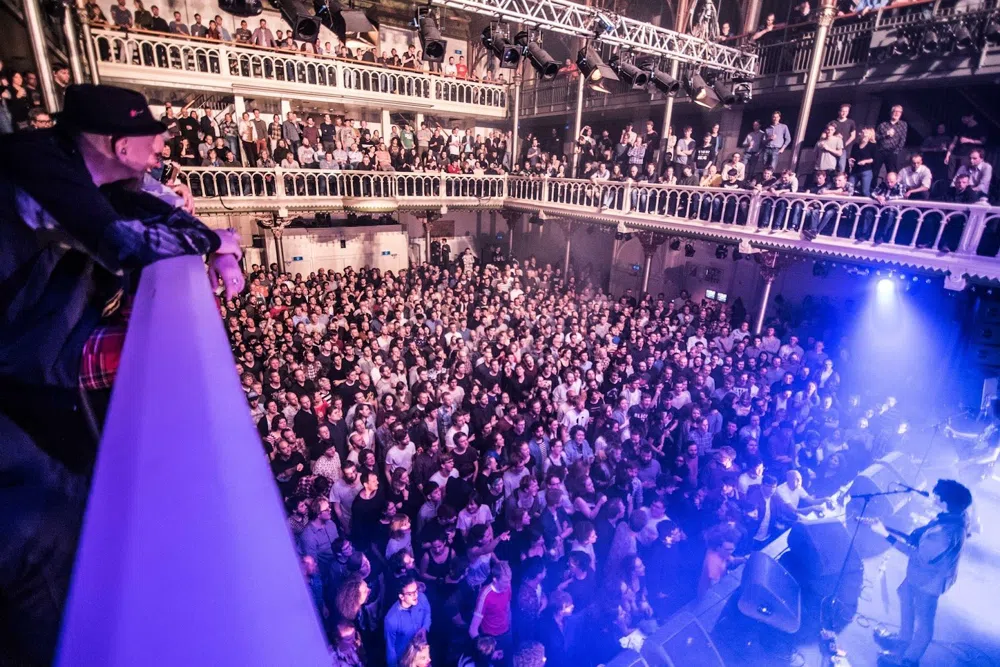
Working Out What Is On in Amsterdam This Weekend
Robin Haas

An Amsterdam Weekend Built Around Jill Scott at AFAS Live
Robin Haas
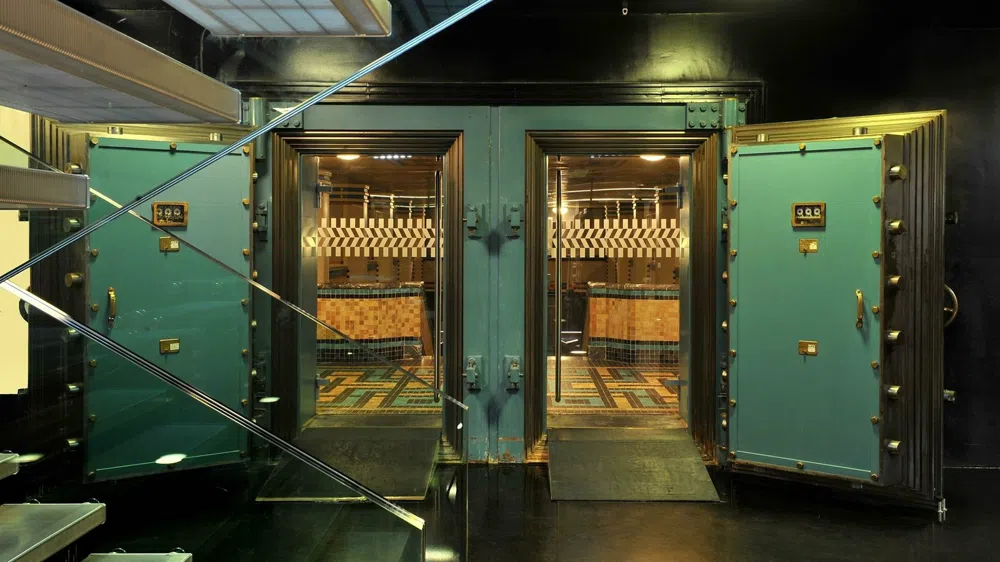
Amsterdam's Paper City, From Archive Vault to Book Market
Robin Haas
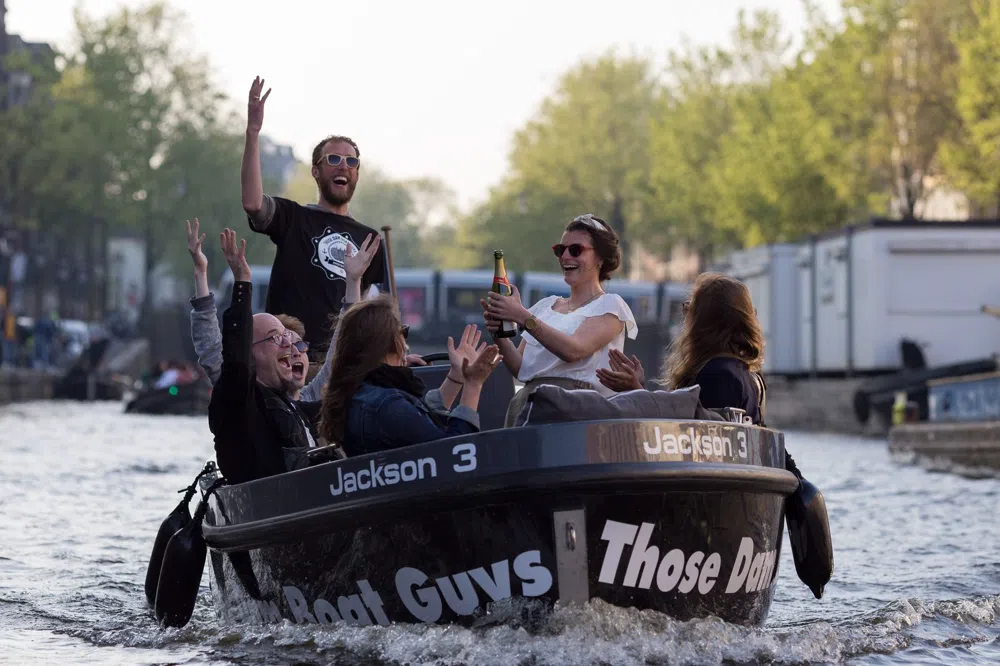
Amsterdam Canal Cruises and How to Pick the Right Boat
Robin Haas

Three Amsterdam Days Around The Strokes on 11 October
Robin Haas
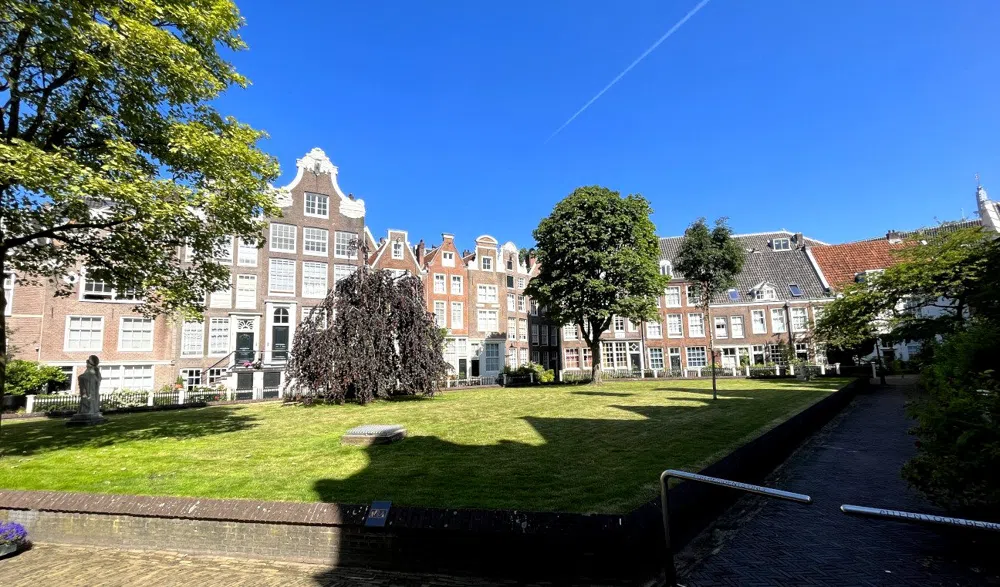
Amsterdam's Hidden Hofjes: The Courtyard Almshouses the Canal Tours Skip
Robin Haas
Tours and tickets
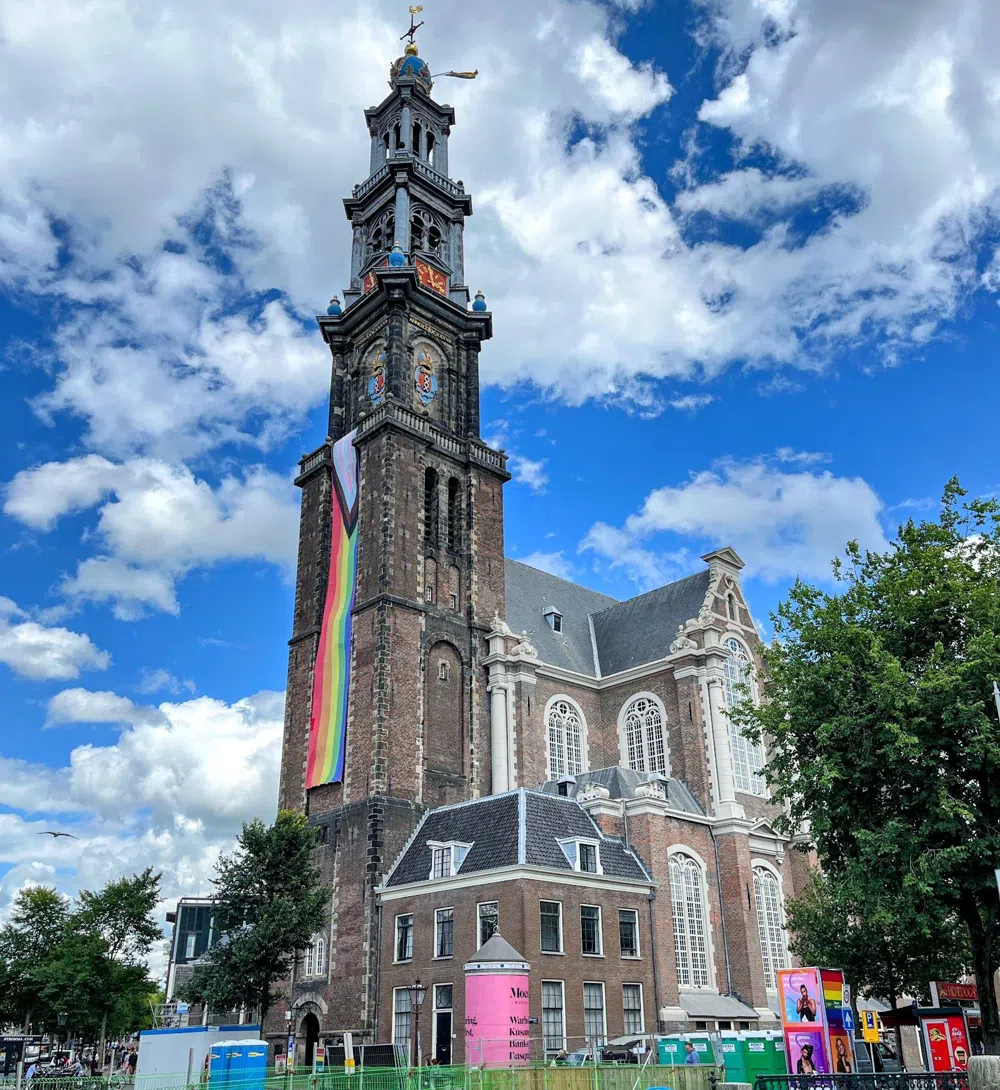
Amsterdam's Westerkerk in September Without the Tower Climb
Robin Haas
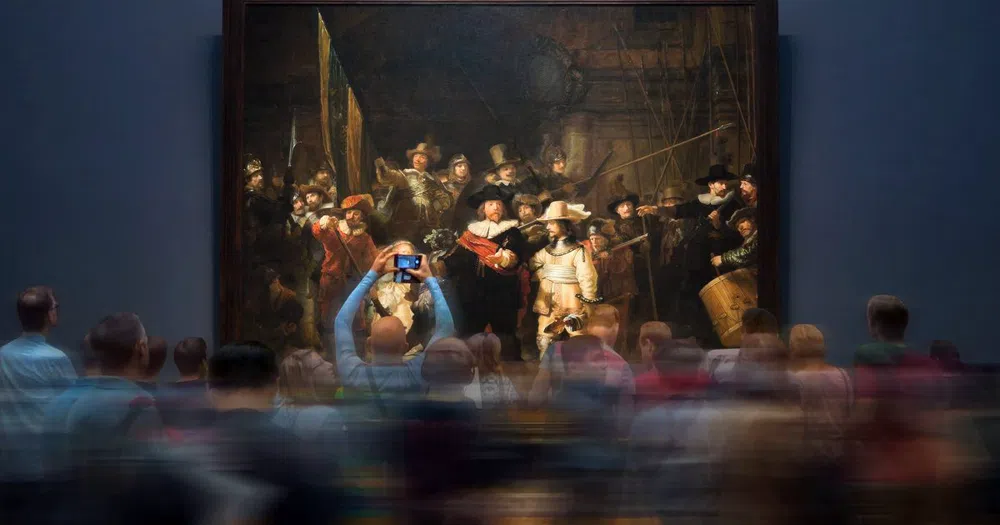
How Amsterdam Locals Read the Sky and Dodge the Rain
Robin Haas
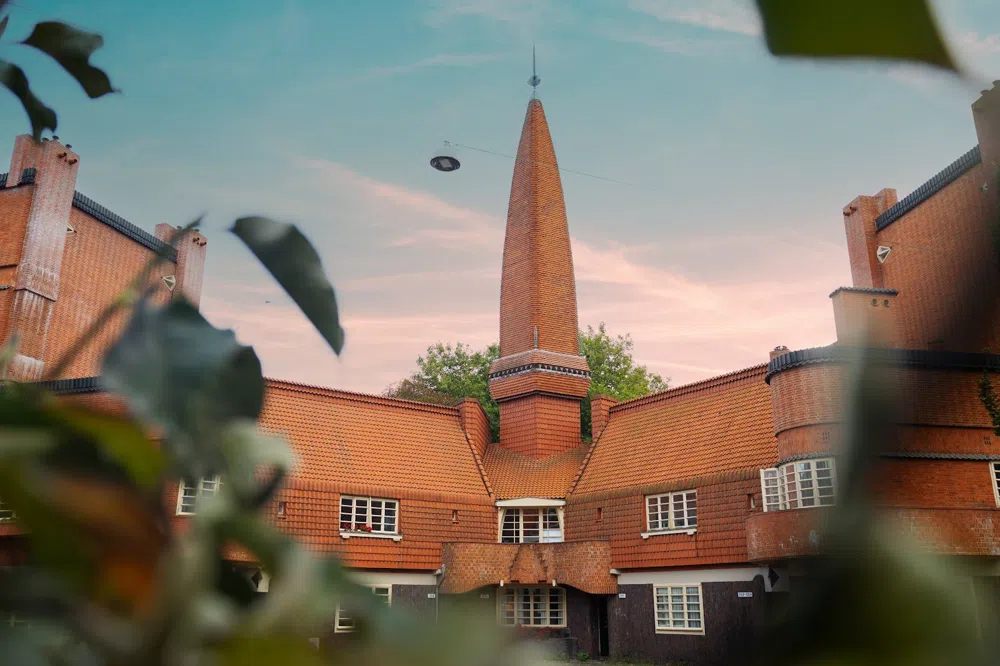
Brick by Brick: Amsterdam's Hidden Expressionist Facades
Robin Haas
Tours and tickets
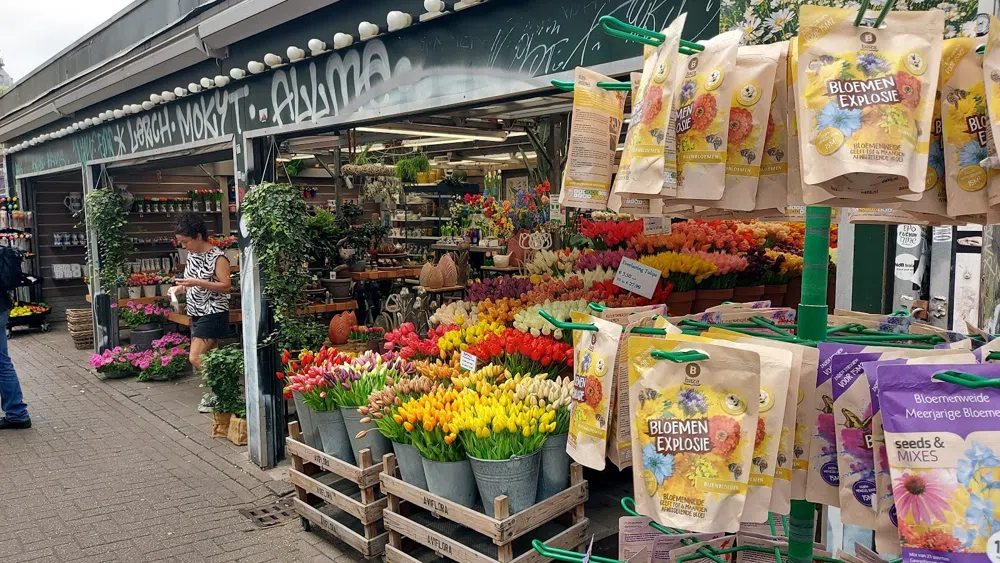
Buying Tulip Bulbs at Amsterdam's Floating Bloemenmarkt
Giulia Marchetti
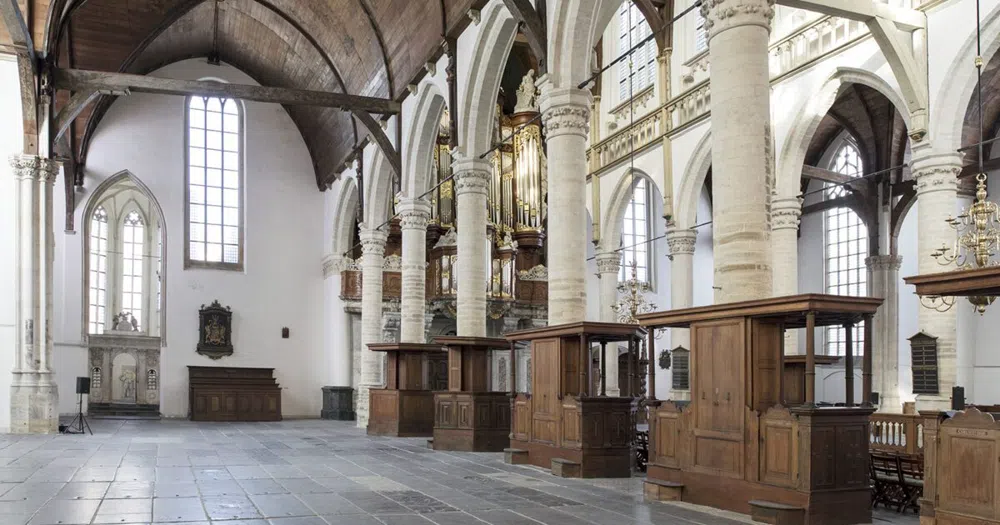
De Wallen, Amsterdam, from the Oude Kerk to Zeedijk
Robin Haas

Amsterdam's Indonesian rijsttafel — the elaborate rice-table feast born in colonial Indonesia that became Amsterdam's most distinctive dining tradition. The tokos, the family-run restaurants, and the dishes that tell a complicated history.
Giulia Marchetti
Tours and tickets
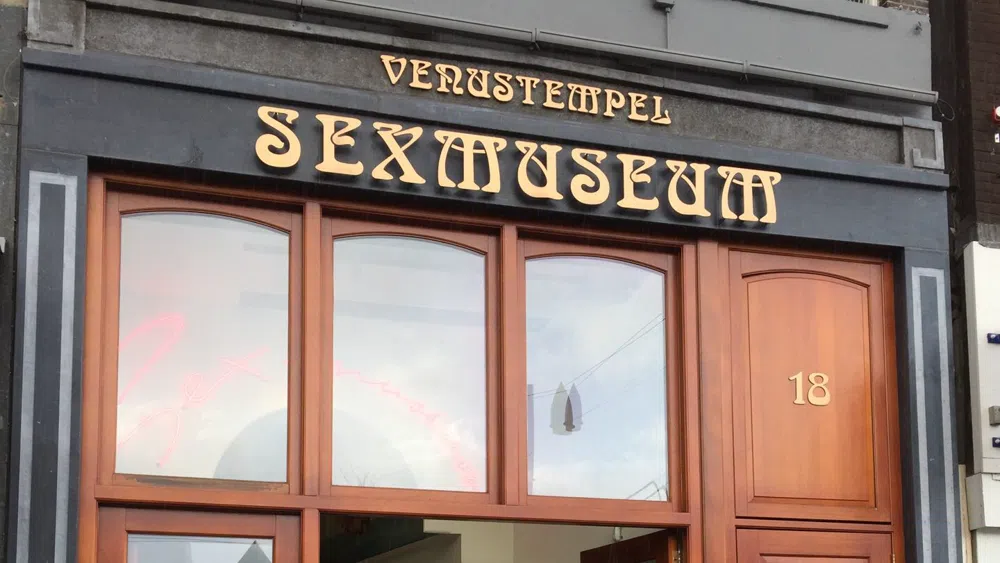
An October Afternoon Inside Amsterdam's Venustempel
Robin Haas
Tours and tickets
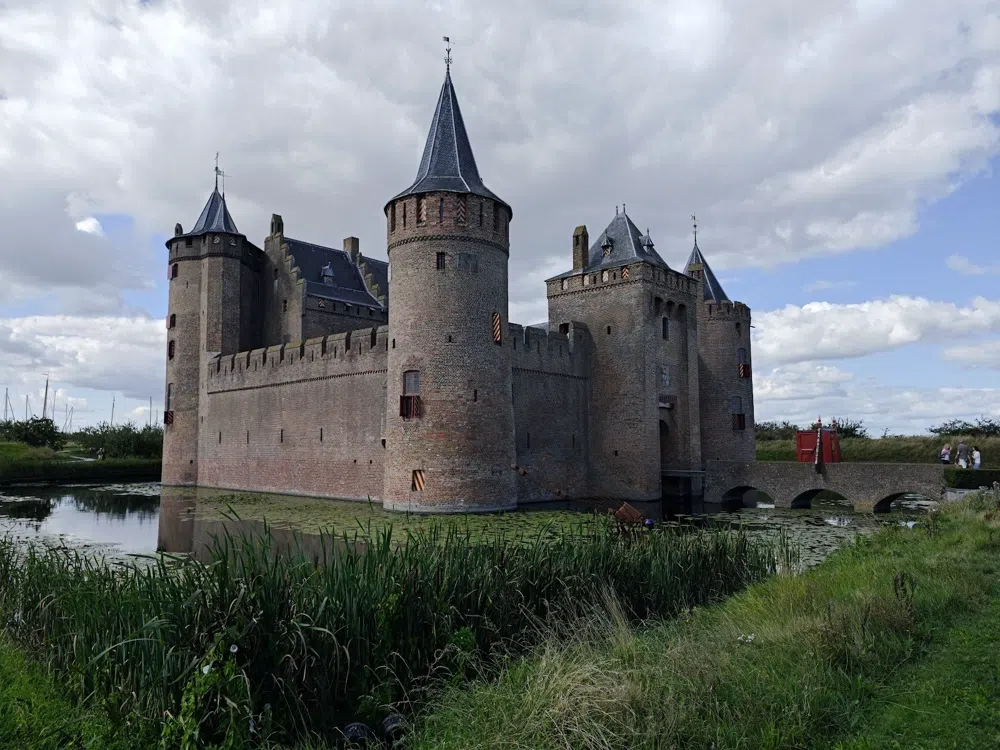
Inside Muiderslot on an October Day Trip from Amsterdam
Robin Haas
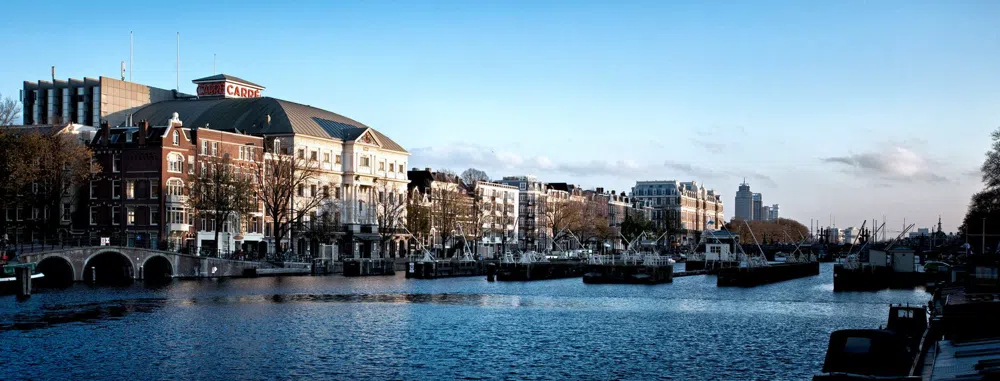
Building an Amsterdam Night Around Erykah Badu at Carré
Robin Haas
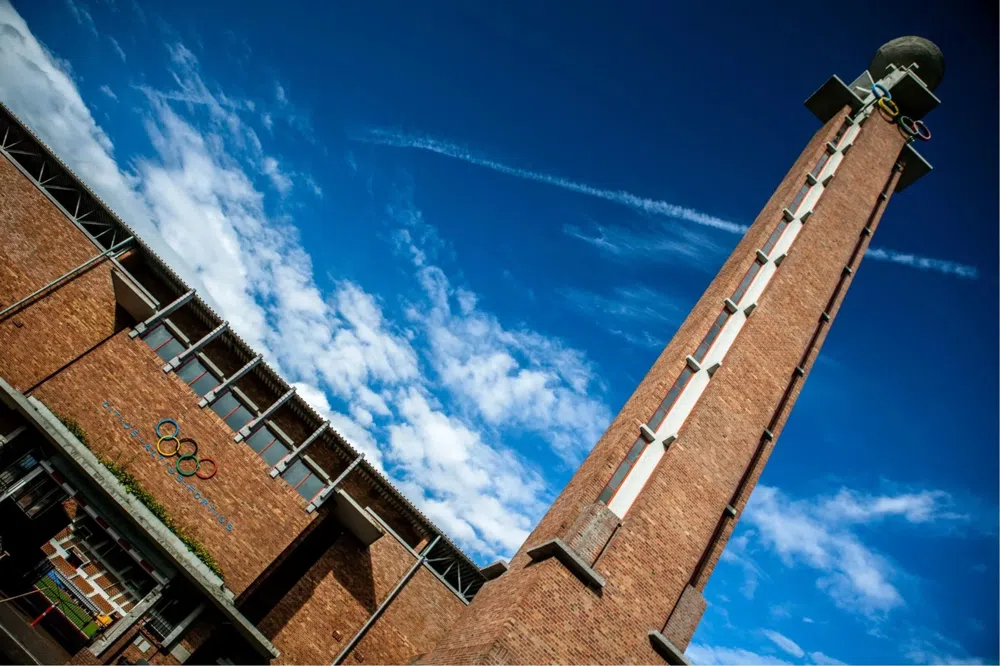
Watching the Amsterdam Marathon from Park, River and Track
Robin Haas

Inside Amsterdam's Proeflokalen: Where Jenever Is Still Poured the Old Way
Robin Haas
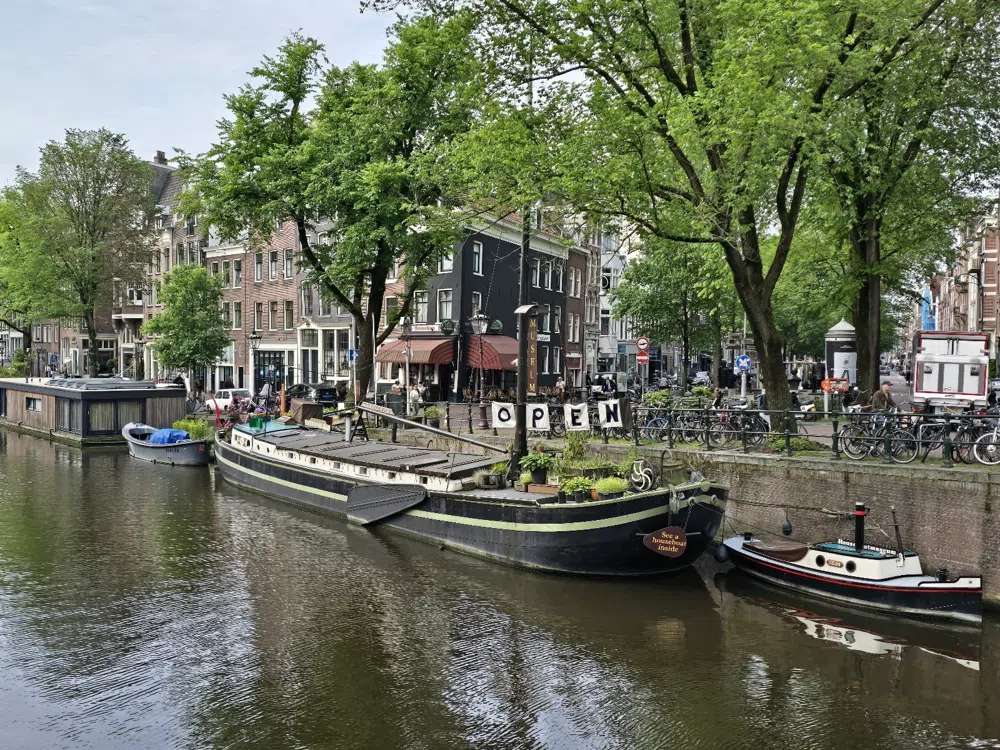
Amsterdam's Houseboat Families Who Never Left the Water
Robin Haas
Tours and tickets
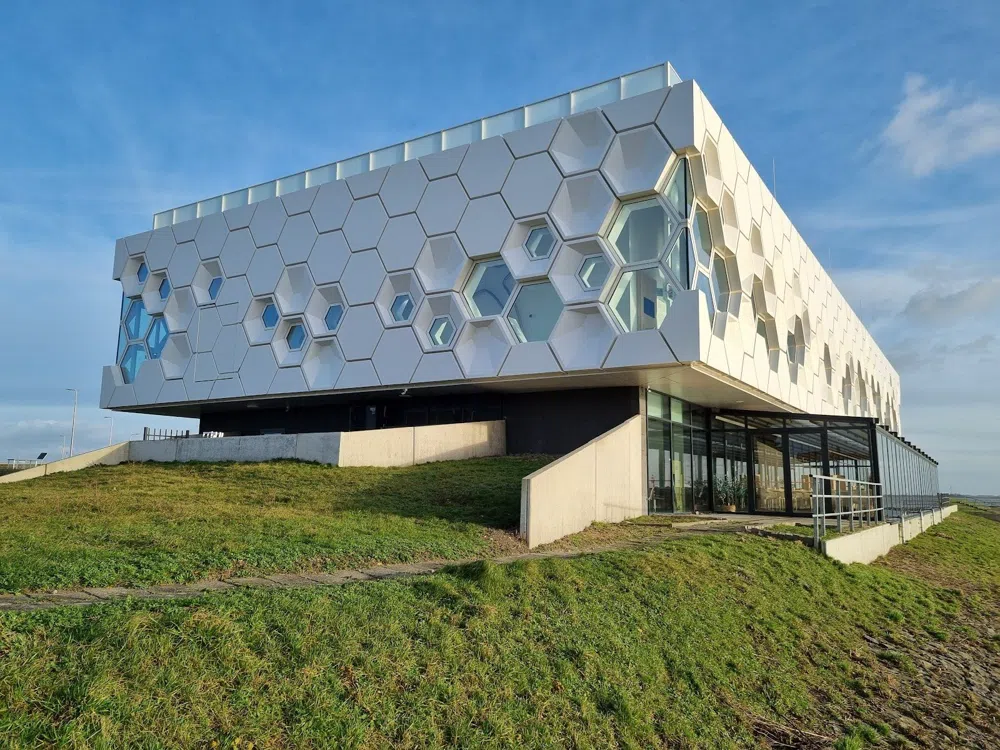
Driving the Afsluitdijk from Amsterdam Across 32 km of Sea
Robin Haas
An insider’s read on Amsterdam
Amsterdam’s identity comes from trade, water management, and a long habit of making the most of limited space. The canal ring, the warehouse houses, the narrow plots, and the practical elegance of the streets all come from a city that grew rich by moving goods and people efficiently. That commercial past still shapes the present: the centre is polished, but not grand in the imperial sense; it is more exact than monumental.
The city also has a strong streak of tolerance and argument. That shows up in its museums, its café culture, its cycling habits, and its nightlife, but also in the way neighbourhoods keep distinct personalities. Amsterdam feels liberal without being careless, orderly without being stiff. It rewards visitors who pay attention to how locals use the city rather than treating the centre as a theme park.
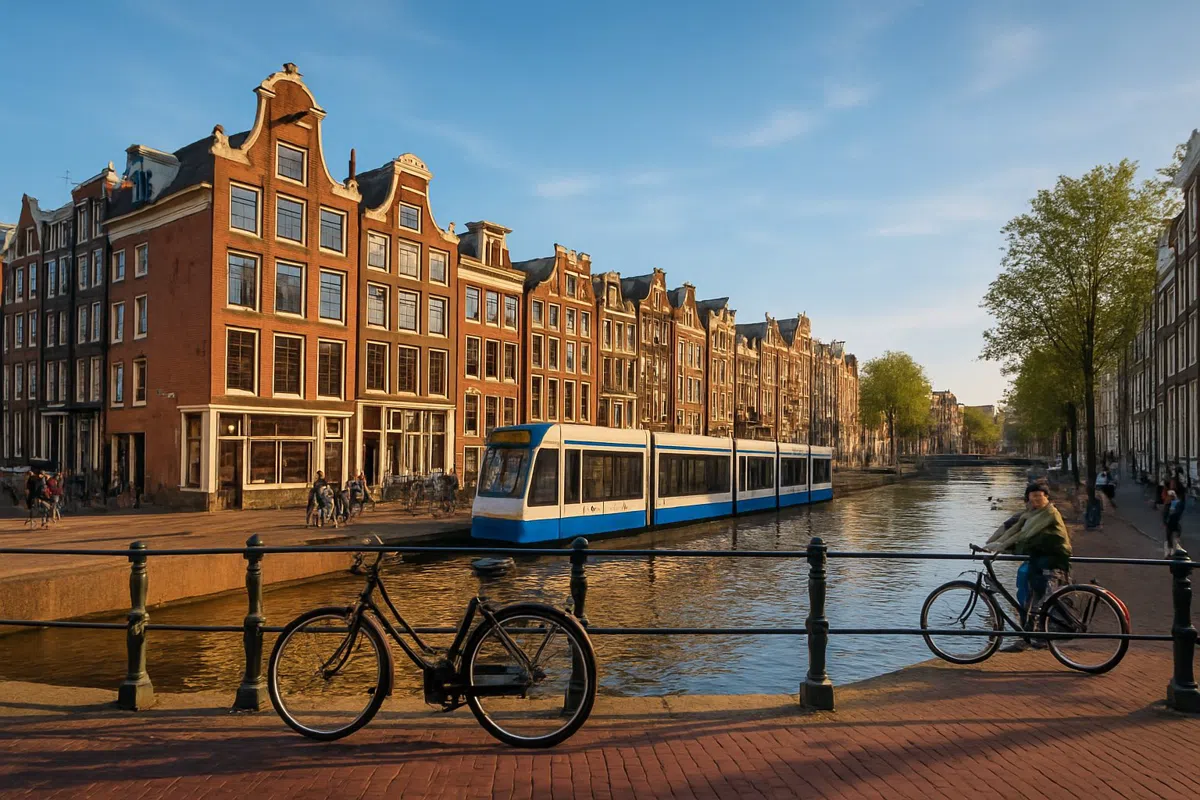

Amsterdam is a city built on edges: water against brick, bicycles against trams, old canal houses against a skyline that still keeps its scale in check. The centre is compact and legible, but it never feels static. You move from 17th-century merchant houses to warehouse conversions, from quiet canal bends to streets that turn rowdy after dark, and the city keeps changing mood every few blocks. What makes it work for a visitor is the balance. It is dense enough to reward a short stay, but not so compressed that every hour feels scheduled. You can spend a morning in the Rijksmuseum, a long lunch in De Pijp, an afternoon on a ferry to Amsterdam-Noord, and still have time for a canal-side bar before dinner. The best trips here are not about checking off icons. They are about choosing a base carefully, then letting the city’s small scale and strong neighbourhood identities do the rest. Amsterdam can also be blunt. The centre is busy, especially around Damrak, the Red Light District, and the canal belt near the main sights. Some streets are beautiful and tiring at the same time. If you want the city at its best, stay a little away from the most saturated blocks, use the tram and ferry system properly, and leave room for ordinary Amsterdam: brown cafés, neighbourhood markets, bike lanes that actually matter, and evenings that start earlier than many visitors expect.
From our Amsterdam guide
Ten neighbourhoods, ten ways to stay
Pick the neighbourhood first and the trip follows. Each one opens its own guide, with the hotels inside it.
Grachtengordel
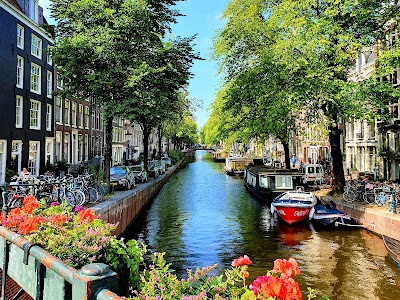
Best for first-time visitors who want classic canal views and easy access to the centre. The trade-off is noise, crowds, and higher prices, especially near the most photographed canals.
The canal belt is the Amsterdam people picture first: elegant 17th-century houses, narrow façades, bridges, and water on nearly every block. It is beautiful, but also one of the most visited parts of the city, so the mood shifts between refined and heavily trafficked.
Where to stay Choose this area if you want to walk to major sights and do not mind paying more for location. Look for side streets rather than the busiest canal edges if you want quieter nights.
Stay in Grachtengordel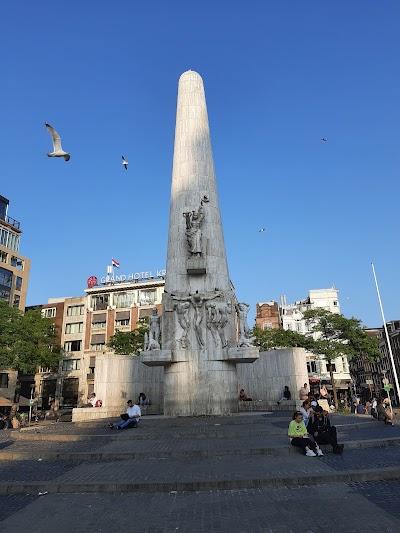
Jordaan
Good for travellers who want atmosphere and food within walking distance of the centre. The trade-off is that the prettiest streets are heavily visited in daytime and some parts can feel crowded in peak season.
Jordaan feels residential, compact, and lived-in, with narrow streets, independent shops, brown cafés, and a strong local rhythm under the tourist surface. It is one of the city’s most appealing areas for wandering without a plan.
Where to stay A strong base if you want character over polish. Pick it if you like small hotels, apartments, and evenings in neighbourhood bars rather than big-lobby properties.
Stay in Jordaan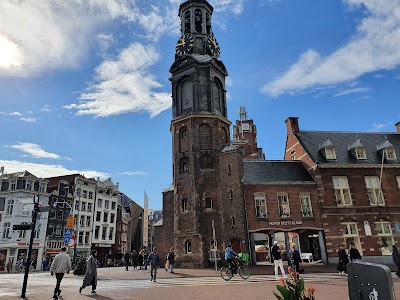
De Pijp
Best for travellers who want a neighbourhood feel and easy access to restaurants and bars. The trade-off is less postcard scenery and more street noise, especially around busy market and nightlife streets.
De Pijp is denser, younger, and more food-driven than the canal belt. It has a lived-in mix of cafés, bars, market streets, and apartment blocks, with Albert Cuypstraat giving it a constant pulse.
Where to stay A good choice for mid-range hotels and apartments if you want to eat well and move around easily. It suits people who prefer local energy to formal elegance.
Stay in De Pijp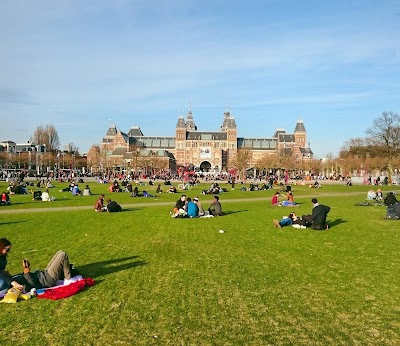
Museumplein
Best for museum-focused trips, families, and travellers who want easy access to the city’s biggest cultural institutions. The trade-off is that it can feel quiet at night and less interesting for aimless evening wandering.
This is the city’s museum district, with broad open space, major institutions, and a more formal feel than the canal belt. It is orderly and convenient rather than atmospheric.
Where to stay Choose it if your priority is museums and a calmer base. It is especially practical for higher-end hotels and for visitors who want straightforward transit access.
Stay in Museumplein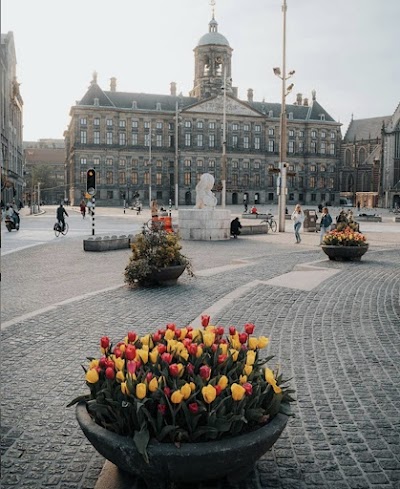
Amsterdam-Centrum
Useful if you want maximum convenience and do not mind crowds. The trade-off is constant foot traffic, more noise, and a less local feel than the surrounding districts.
The core around Dam Square, the main shopping streets, and the Red Light District is dense, commercial, and always in motion. It is the most convenient part of the city, but also the most tourist-heavy and least restful.
Where to stay Stay here only if you value being in the middle of everything and are comfortable with late-night activity. It works best for short stays and first visits with a packed itinerary.
Stay in Amsterdam-Centrum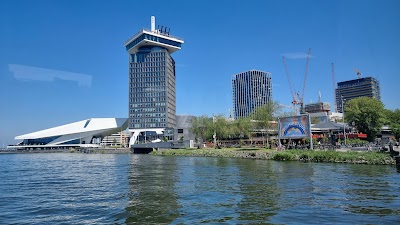
Amsterdam-Noord
Good for travellers who want space, newer hotels, and a less conventional base. The trade-off is that you will rely more on ferries or metro connections to reach the centre.
Across the IJ, Noord feels more open, more experimental, and less polished than the centre. Former industrial sites, creative spaces, and newer housing give it a different pace.
Where to stay Worth considering if you want better value or a design-led hotel away from the busiest streets. It suits longer stays and visitors who do not mind crossing the water daily.
Stay in Amsterdam-Noord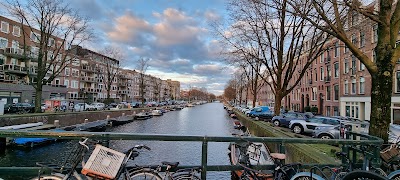
Oud-West
Best for travellers who want a more ordinary neighbourhood base with good transport. The trade-off is fewer headline sights right outside your door.
Oud-West is practical, residential, and easy to live in, with good food, local shopping streets, and quick access to the centre without the same intensity as the canal ring.
Where to stay A smart pick for mid-range hotels and apartments if you want calmer nights and still want to reach the centre quickly by tram or on foot.
Stay in Oud-West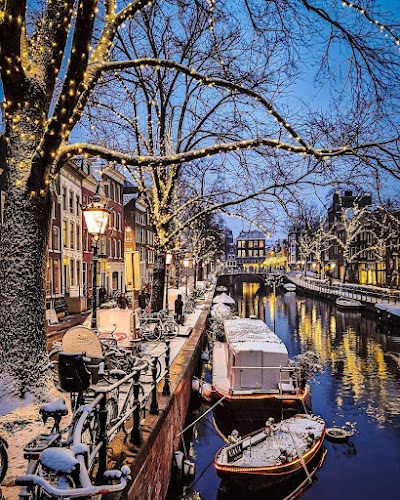
Oost
Good for families and repeat visitors who want space and a calmer pace. The trade-off is that you will spend more time on transit if your plans are centred on the canal belt.
Oost is broad and varied, with leafy streets, museums, parks, and a more relaxed residential feel than the centre. It has enough local life to feel settled without being dull.
Where to stay Look here for apartment stays and quieter hotels if you want parks and neighbourhood cafés. It is a sensible base for longer trips.
Stay in Oost
Zuid
Best for travellers who want a quieter, more refined base and do not need nightlife on the doorstep. The trade-off is that some parts feel more residential than visitor-friendly after dark.
Zuid is broader and more upscale, with embassy streets, parks, and a polished residential feel. It is less immediate than the centre but comfortable and well connected.
Where to stay A strong area for higher-end hotels and longer stays, especially if you want space and easy access to Museumplein and Vondelpark.
Stay in Zuid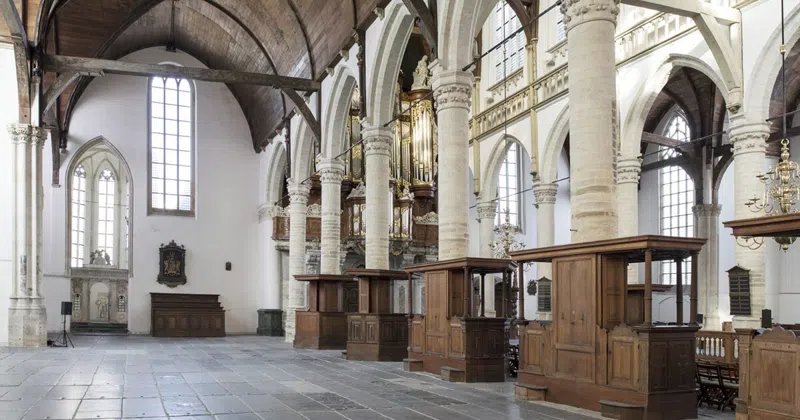
De Wallen
Amsterdam’s medieval core combines the city’s famous red-light district with canals, historic churches, intimate bars and some of its most atmospheric night walks. Best after dusk for atmosphere; visit earlier in the day for quieter streets and museums.
Stay in De WallenBook before you land
Top-rated tours and tickets in Amsterdam, with live prices from Viator.

Amsterdam Free tour World War II and Anne Frank
from $6

Amsterdam Highlights and Hidden Gems Walking Tour with Fun Guide
from $40

Explore Amsterdam in 75 Minutes – Pedicab Rickshaw City tour
from $144

Private All-Inclusive Cruise with Captain
from $217

Amsterdam: Private Tour to Keukenhof and Flower-Farm with Ticket
from $441

The Ultimate Craft Beer Adventure in Amsterdam!
from $124

Rijksmuseum Guided Tour with a private local Dutch guide
from $143

Amsterdam countryside tour by car
from $160
Prices from Viator; we may earn a commission when you book — at no extra cost to you. Tours are sold and operated by Viator, the merchant of record. Ratings are collected by Viator and Tripadvisor.
Book direct
Book a hotel in Amsterdam
Loading live availability and real-time prices…
The Amsterdam guide
Where to eat, drink and look, how to get around, and what locals expect of you. Open any chapter.
Where to eat
Dining
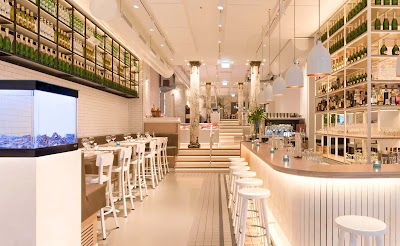
The Seafood Bar
A reliable place for visitors who want a broad seafood menu without the stiffness of fine dining. It is known for polished shellfish platters and a menu that makes ordering easy.
Signature: Seafood platter
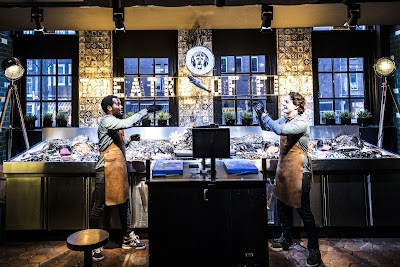
Pesca
The market-style setup lets you choose fish and shellfish directly, which makes the meal feel more immediate than a standard restaurant order. It suits people who want seafood with a bit of theatre.
Signature: Daily fish selection
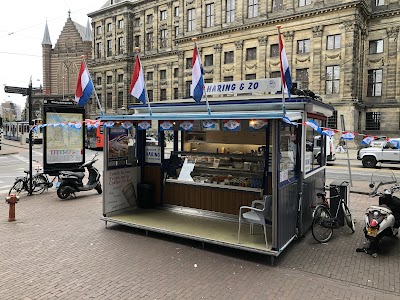
Haring & Zo
A good stop for classic Dutch herring done without fuss, in a part of the city where a quick, local lunch makes sense.
Signature: Hollandse nieuwe herring
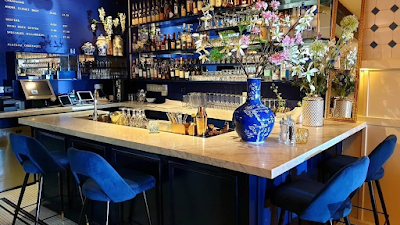
Lucius
A long-running seafood address with a more formal feel, useful if you want a sit-down dinner built around fish rather than a mixed menu.
Signature: Whole fish preparations
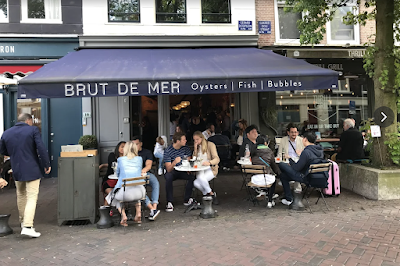
Brut de Mer
Small, focused, and strong on oysters and raw bar eating, which makes it better for a sharp lunch or early dinner than a long, elaborate night out.
Signature: Oysters
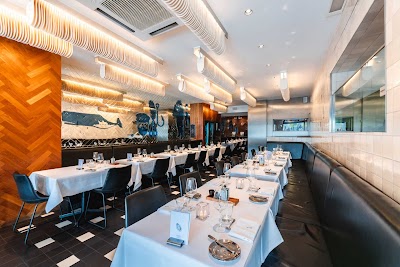
Visaandeschelde
One of the city’s more serious fish restaurants, with a menu that treats seafood as the main event rather than an afterthought.
Signature: Seasonal fish dishes
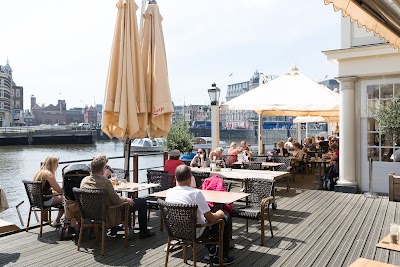
Loetje
A local institution for straightforward steak in a no-nonsense setting. It is not subtle, but it is dependable and very Amsterdam in its practical approach.
Signature: Biefstuk in gravy
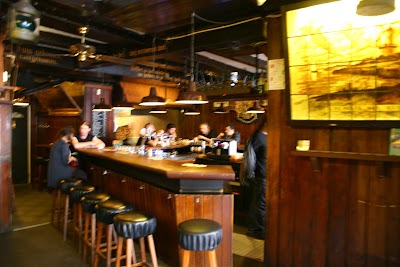
Café de Klos
Known for ribs and grilled meat in a crowded, old-school room that feels like it has resisted over-design. It is a good choice when you want a hearty meal before a night out.
Signature: Ribs
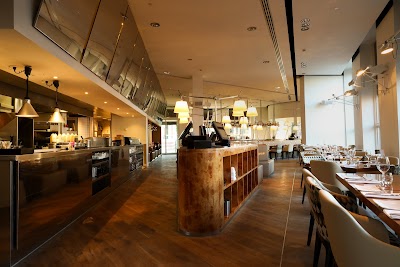
Momo
A polished pan-Asian restaurant with a strong grill and meat side to the menu, useful if your group wants a more dressed-up dinner.
Signature: Robata-grilled dishes
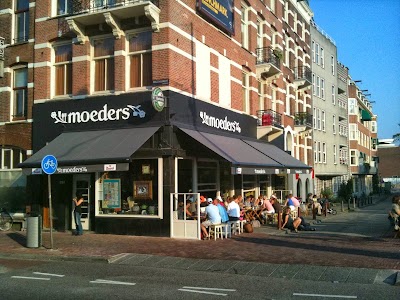
Moeders
A classic place to try Dutch home-style dishes in a room packed with family photos and a deliberately unpretentious mood.
Signature: Stamppot
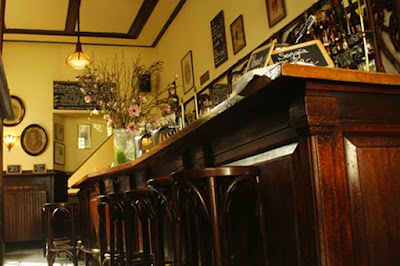
Café de Reiger
A proper brown café with a kitchen that makes it useful for a simple local meal, not just a drink stop.
Signature: Dutch café dishes
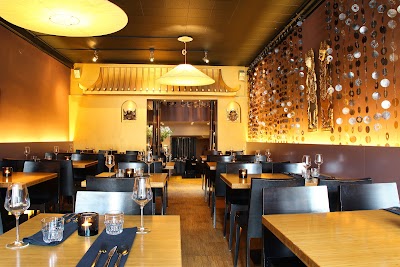
Sampurna
A strong Indonesian option in a city where that cuisine matters. It is a good place to understand one of Amsterdam’s most important food traditions.
Signature: Rijsttafel
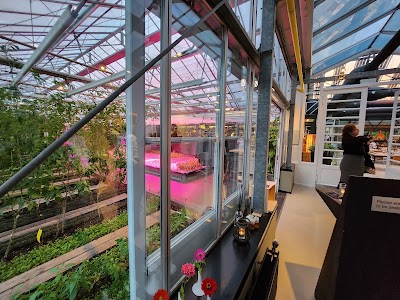
De Kas
A greenhouse restaurant with a produce-led menu that feels rooted in the city’s newer, more thoughtful dining culture.
Signature: Vegetable-led tasting menu
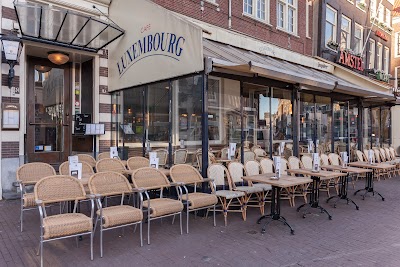
Café Luxembourg
Useful for a long lunch or early dinner in a central location, with the kind of all-day café energy that suits Amsterdam well.
Signature: Café classics
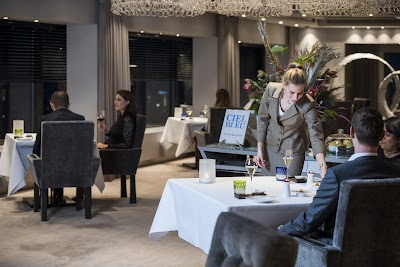
Ciel Bleu
A formal high-end choice with panoramic views and a polished tasting-menu approach that makes it one of the city’s most complete special-occasion dinners.
Signature: Tasting menu
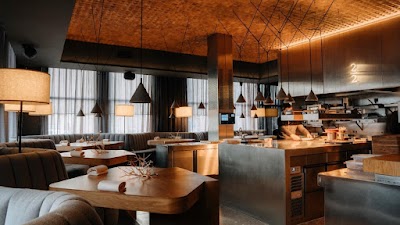
Restaurant 212
A modern tasting-menu restaurant with a strong reputation for detail and a room that feels focused rather than theatrical.
Signature: Tasting menu
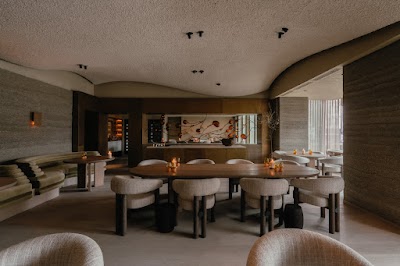
Flore
A contemporary fine-dining room that leans into produce and careful composition, useful if you want a more current expression of Amsterdam dining.
Signature: Vegetable-forward tasting menu
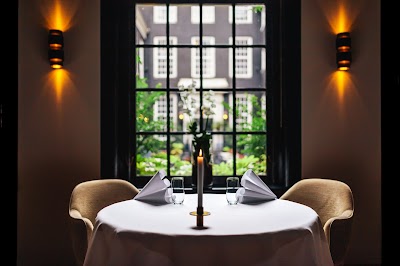
Vinkeles
A polished, intimate dining room in a historic setting, strong for a quieter, more formal evening.
Signature: Tasting menu
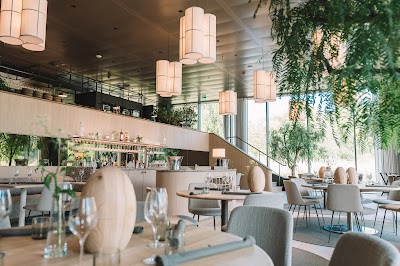
Bolenius
Worth the trip for its Dutch ingredient focus and its more modern, restrained approach to luxury dining.
Signature: Dutch seasonal menu
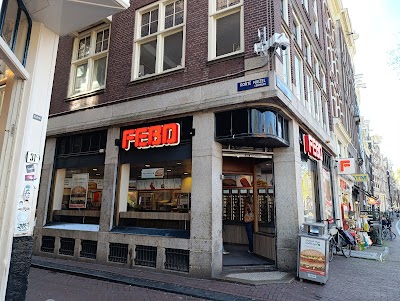
FEBO
The city’s most recognisable snack-wall experience, useful for a quick and very local late-night bite.
Signature: Kroket
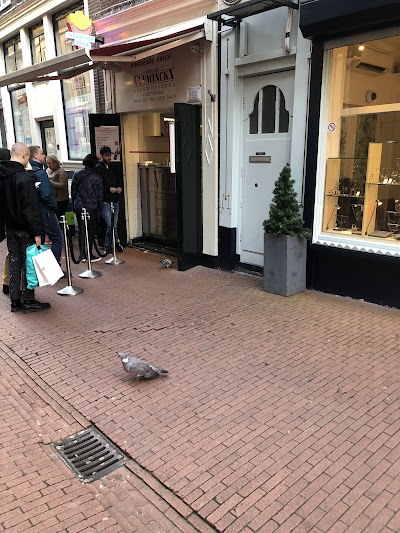
Vleminckx Sausmeesters
A compact stop for fries with a serious sauce selection, ideal when you want a cheap lunch between sights.
Signature: Patat met sauce
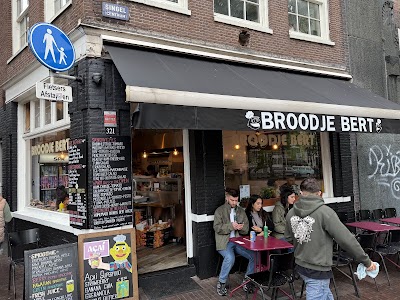
Broodje Bert
A dependable sandwich stop in the centre, especially useful when you need something quick without settling for generic café food.
Signature: Filled sandwiches

Maoz Vegetarian
Handy for a fast, filling pita-based lunch in a busy part of town where speed matters.
Signature: Falafel pita
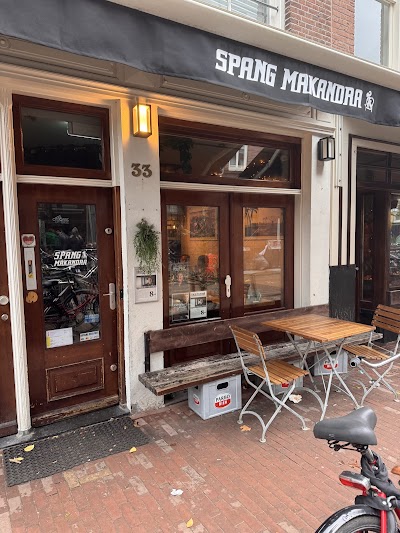
Warung Spang Makandra
A good-value Indonesian option that gives you a more everyday version of one of Amsterdam’s most important food traditions.
Signature: Nasi rames
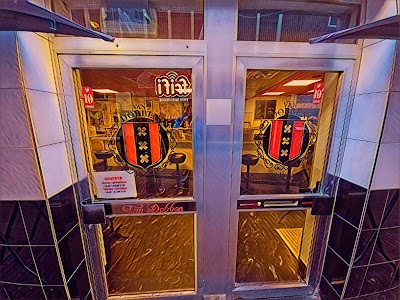
Snackbar Van Dobben
A classic snack bar for croquettes and simple Dutch fast food, useful when you want something quick and local rather than a sit-down meal.
Signature: Croquette sandwich
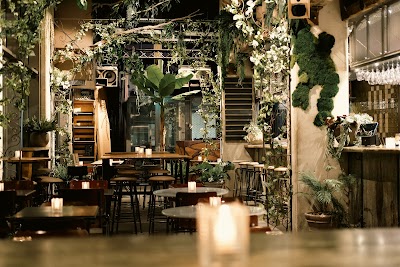
Mr. & Mrs. Watson
A dedicated vegan restaurant with enough ambition to feel like a destination rather than a token plant-based stop.
Signature: Vegan cheese board
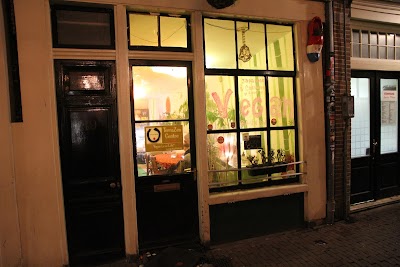
TerraZen Centre
A useful vegan Japanese option when you want something light and quick in the middle of the city.
Signature: Vegan ramen
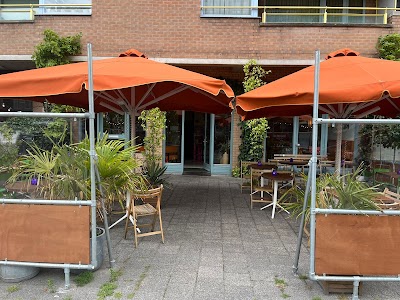
Veganees
A modern vegan restaurant with a broad menu and enough variety to work for mixed groups.
Signature: Vegan small plates
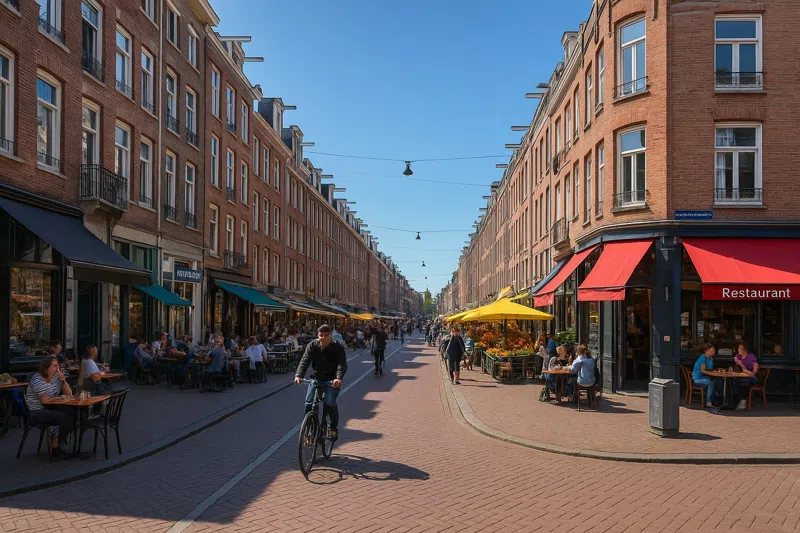
The Avocado Show
More playful than essential, but useful if you want a casual plant-based meal in a central area.
Signature: Avocado toast
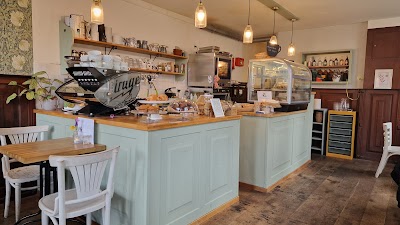
Koffie ende Koeck
A good neighbourhood café for vegetarian brunch and cake, especially if you want a daytime stop away from the busiest centre streets.
Signature: Vegan cakes
After dark
Nightlife
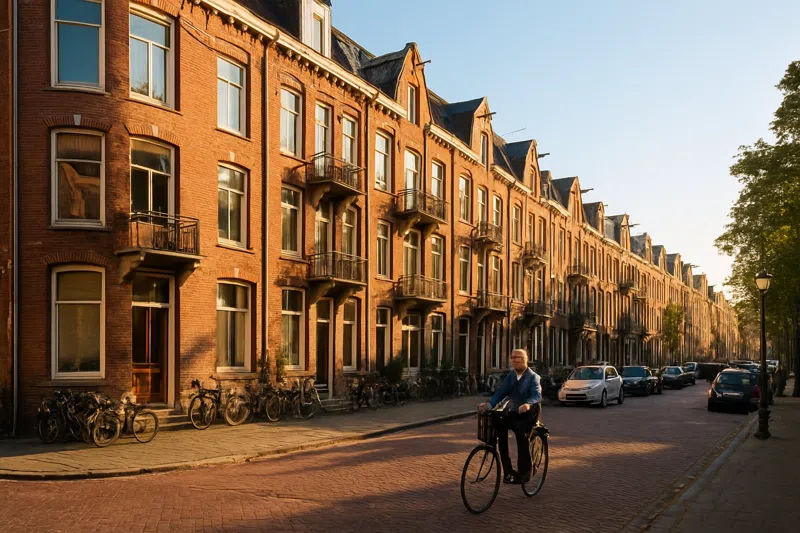
De School
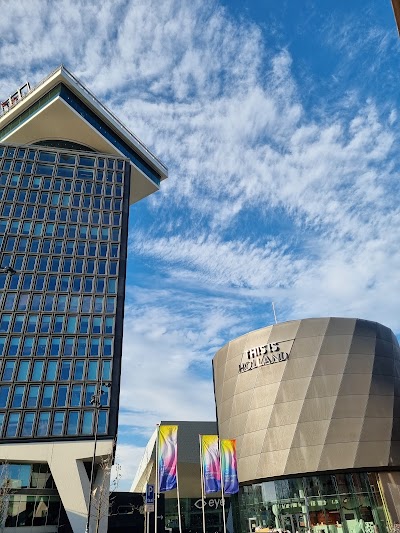
A benchmark for serious club programming and long-form nights, with a reputation built on music first rather than spectacle.
Shelter
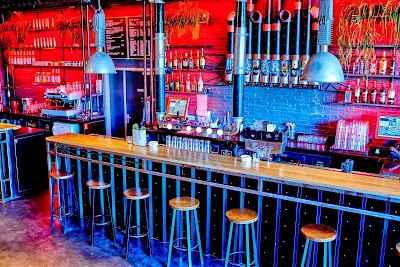
A proper underground club space with a strong sound system and a location that suits all-night programming.
Radion
Known for long nights and a crowd that comes for the music rather than the room itself.

Melkweg
A long-running multi-room venue that can shift from concerts to club nights, useful for visitors who want a central option.
Bitterzoet
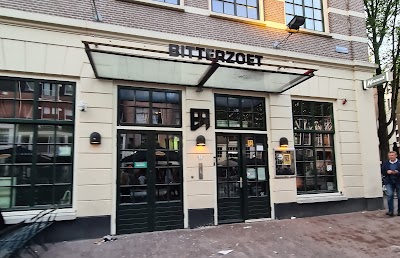
A compact venue with a strong reputation for eclectic programming and a more intimate feel than the larger clubs.
Claire
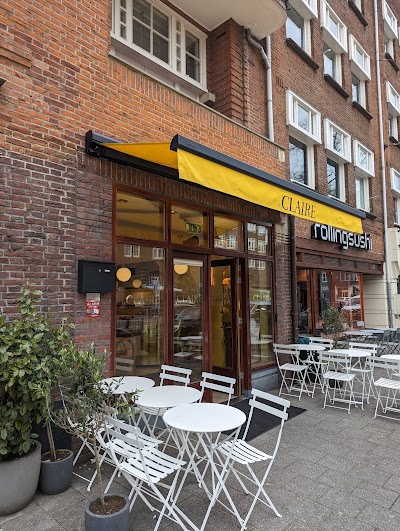
A late-night club option in the centre with a more polished, social atmosphere than the harder underground rooms.
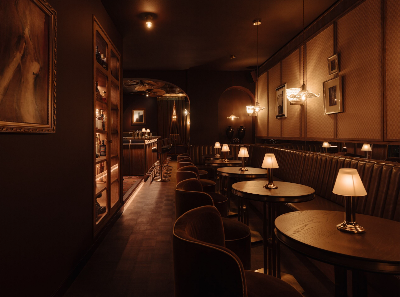
Door 74
A classic speakeasy-style cocktail bar that still feels like a deliberate stop rather than a random hotel lobby drink.
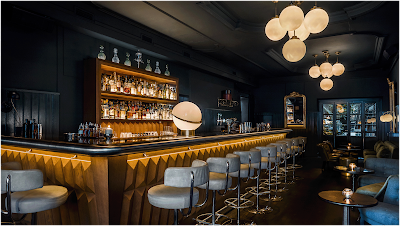
Pulitzer’s Bar
A refined canal-side cocktail room with enough character to justify a slower drink.
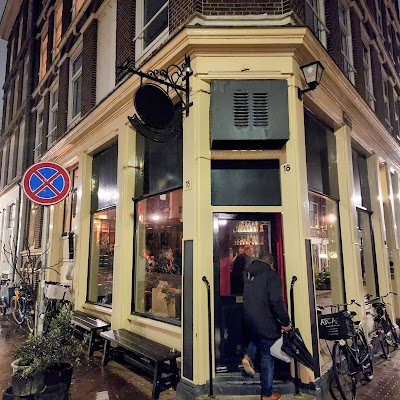
Hiding in Plain Sight
Known for serious cocktails in a compact room, making it a good choice if you want bartending skill over noise.
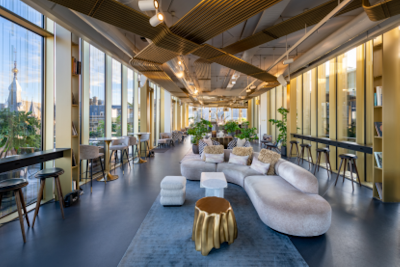
W Lounge
Useful for a central rooftop drink with a more design-led setting than the average hotel bar.
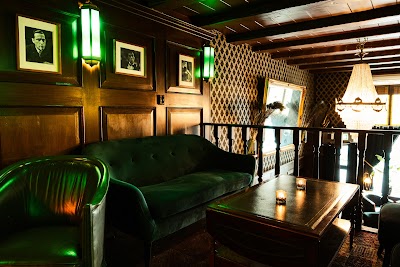
Bar Oldenhof
A low-key bar with a strong drinks list and a calmer mood than the city’s louder nightlife strips.
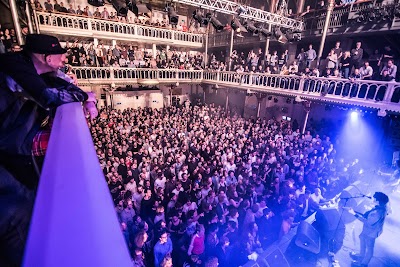
Paradiso
A landmark live-music venue in a former church, with a calendar that makes it one of the city’s most dependable concert stops.
Melkweg
A flexible venue that handles concerts, club nights, and touring acts, useful for a broad range of tastes.
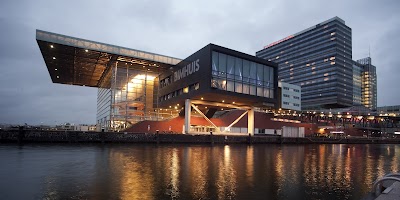
Bimhuis
The city’s key jazz and improvised music venue, with a waterfront setting and serious programming.
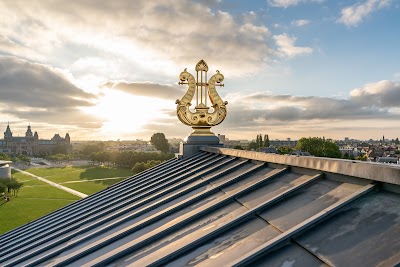
Concertgebouw
One of the city’s major classical venues, worth it for the hall itself as much as the programme.

Tolhuistuin
A useful north-side venue for concerts and cultural nights, especially if you are already across the water.
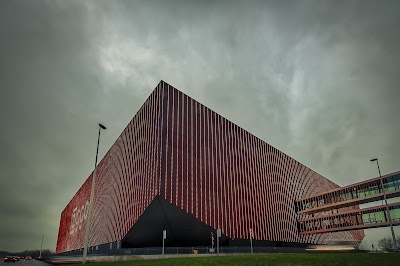
Ziggo Dome
The city’s large-scale arena for major touring acts, practical if your trip is built around a specific concert.
Art & history
Culture
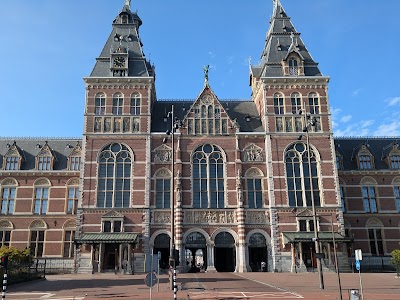
Rijksmuseum
The city’s essential art museum, strongest for Dutch masters, decorative arts, and the sense of scale that Amsterdam’s history deserves.
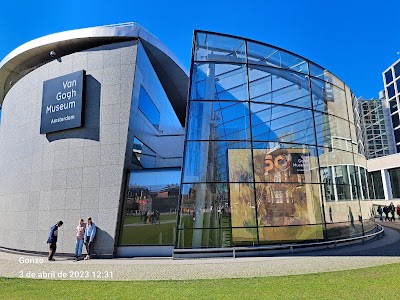
Van Gogh Museum
The most direct way to understand Van Gogh’s development through a focused collection rather than scattered highlights.
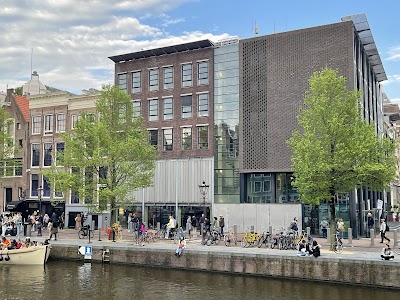
Anne Frank House
A deeply affecting historic house museum that is central to understanding the city’s wartime memory.
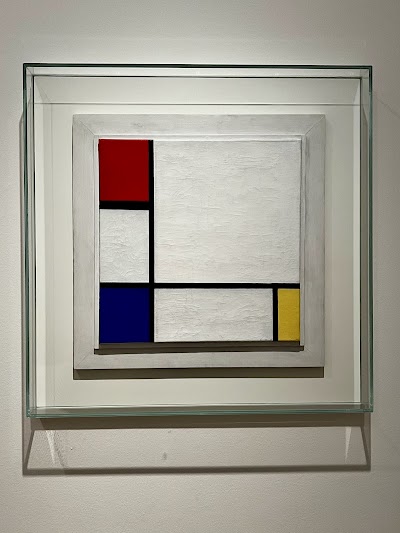
Stedelijk Museum
Best for modern and contemporary art and design, especially if you want a counterpoint to the Rijksmuseum next door.
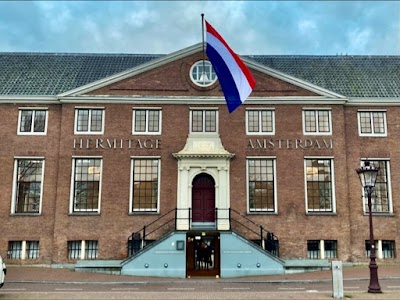
Hermitage Amsterdam / H'ART Museum
A major exhibition space in a historic building, useful when the programme is strong.
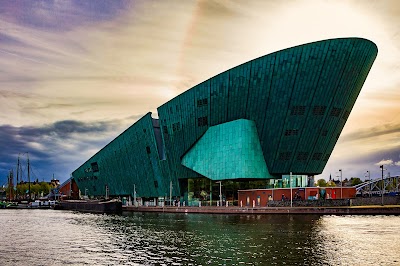
NEMO Science Museum
A good choice for families or anyone who wants a hands-on break from art museums, with a roof that adds to the visit.
Anne Frank House
More than a landmark, it is a place where the scale of the building and the story are inseparable.
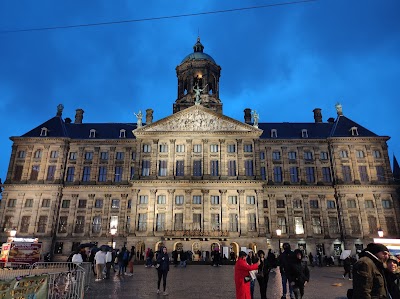
Royal Palace Amsterdam
A formal civic building that gives Dam Square its institutional weight.
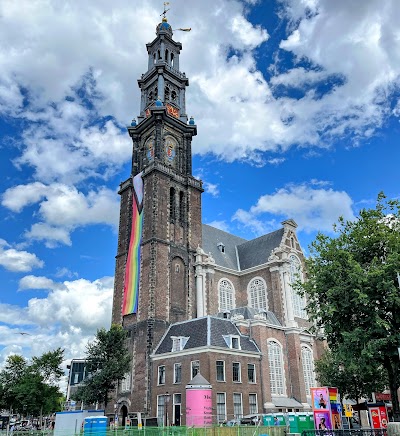
Westerkerk
A key church on the canal belt with a tower that anchors the western side of the centre.
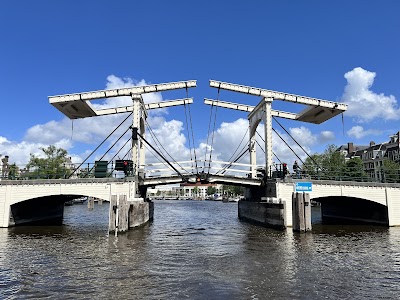
Magere Brug
One of the city’s most recognisable bridges, especially effective at dusk when the river setting matters.
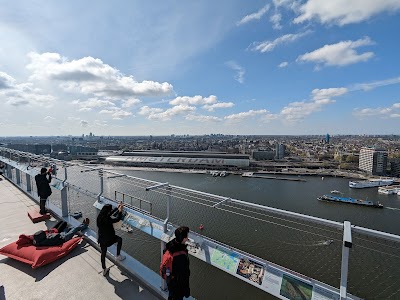
A'DAM Tower
Useful for understanding the city from above and for the contrast between the historic centre and the north side.
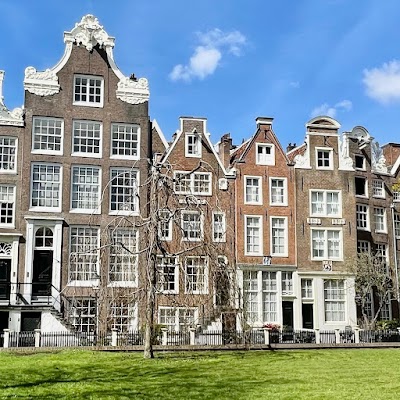
Begijnhof
A quiet enclosed courtyard that shows a different, older domestic scale inside the busy centre.
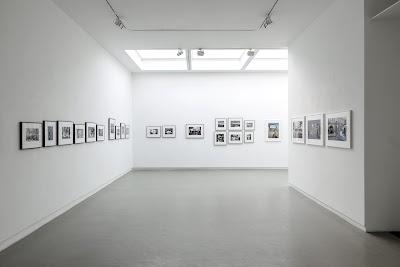
Annet Gelink Gallery
A strong contemporary gallery that often shows work worth a detour if you are already in the canal belt.
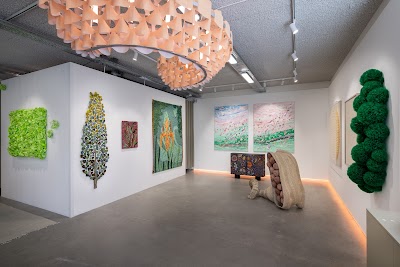
Rademakers Gallery
Useful for contemporary and design-led work in a central location.
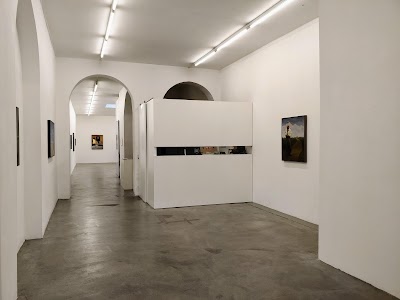
Torch Gallery
A long-running gallery with enough credibility to justify a stop for art-minded travellers.
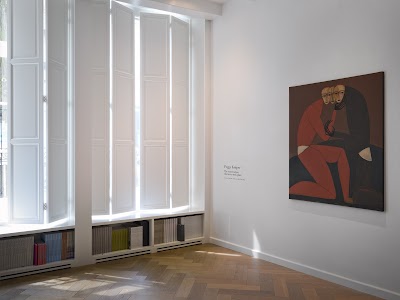
Reflex Amsterdam
A polished gallery with a strong focus on photography and contemporary work.
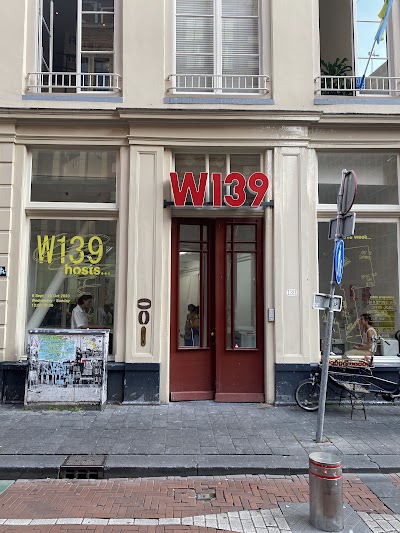
W139
A more experimental space that gives you a sense of the city’s alternative art side.
Timing
When to visit
Spring
Best overall for first-time visitors. Tulip season draws crowds, especially around Keukenhof and the flower markets, but the city itself is comfortable for walking and cycling. Expect changeable weather and book central hotels early.
Summer
Long days, full terraces, and the busiest canal cruises and museums. It is the liveliest season for outdoor drinking and festivals, but also the most expensive and crowded. Reserve popular restaurants and accommodation well ahead.
Autumn
A strong choice if you want fewer crowds and a more local feel. The light is good, the trees in the parks turn, and the city settles back into its normal rhythm. Rain becomes more frequent, so plan for indoor time.
Winter
Cold, damp, and often grey, but rewarding if your trip is museum-led. The city feels calmer, hotel rates can ease outside holiday periods, and cafés become more appealing. Short daylight hours make efficient planning important.
What it costs
Budgeting
Logistics
Getting around
From the airport
Schiphol is well connected to the centre by train, and that is usually the simplest option. Trains run frequently to Amsterdam Centraal and other central stations, and the ride is short enough that taxis rarely make sense unless you have heavy luggage or arrive very late. Airport buses can be useful for specific hotel areas, but the train is the default choice.
Public transit
GVB runs the core city network of trams, buses, and metro, with the metro especially useful for longer cross-city hops and the north-south line. Trams are the most intuitive for visitors in the centre and canal belt. Ferries across the IJ to Amsterdam-Noord are free and useful, not just scenic. Check in and out properly with your card or ticket system, because the city’s transit is easy to use once you understand the tap logic.
Passes & tickets
A GVB day or multi-day pass can make sense if you are using trams and buses heavily for several days in a row. The Amsterdam Travel Ticket can be useful if you are combining airport rail with city transit. The I amsterdam City Card is only worth it if you plan to stack museums and transit together; otherwise it can be overkill. Think in price bands: transit passes are usually € to €€, while museum-heavy city cards sit in the €€ to €€€ range.
On foot
The centre is very walkable, but walking here is not casual in the way it is in many cities. Bike lanes are serious infrastructure, and you need to watch for cyclists before stepping off the curb. Distances are short enough that many neighbourhood-to-neighbourhood moves are easy on foot, but the tram often saves time and energy, especially in wet weather.
Local etiquette
Safety & etiquette
- Do not walk in bike lanes or stop suddenly in them.
- Keep noise down in residential canal streets late at night.
- Queue properly for trams and ferries; people notice disorder quickly.
- Do not photograph sex workers or the Red Light District in a voyeuristic way.
- Use cashless payment where possible, but keep a card that works for transit and small purchases.
- In cafés and bars, it is normal to linger, but not to occupy a table for hours without ordering if the room is busy.
Travel smart
Practical tips
- Book the Anne Frank House and Van Gogh Museum before you arrive if they are on your list.
- Use the free ferries behind Centraal to reach Amsterdam-Noord instead of paying for a private transfer.
- Stay a few streets off the busiest canal edges if you want quieter nights without losing the central location.
- Carry a rain layer even in months that look mild on paper; the weather changes quickly.
- If you plan to bike, rent from a reputable shop and ride defensively; the city is not forgiving of tourist mistakes.
- For a first meal, try an Indonesian restaurant or a proper brown café rather than defaulting to generic international food.
- Avoid taxis for short central hops; trams and walking are usually faster once traffic is factored in.
- If you are doing multiple museums, cluster them by district and leave lunch nearby instead of crossing the city twice.
Before you go
Amsterdam FAQs
How many days do I need in Amsterdam?
Three full days is the minimum that feels comfortable. That gives you one museum day, one neighbourhood-and-canal day, and one flexible day for Noord, markets, or a day trip.
Is Amsterdam walkable without a bike?
Yes, especially in the centre and canal belt. You can walk a lot, then use trams or ferries when the distance starts to feel inefficient.
Should I stay near Centraal Station?
Only if convenience matters more than atmosphere. It is practical, but some surrounding streets are busy, tourist-heavy, and less pleasant at night than Jordaan, De Pijp, or Museumplein.
Do I need to book museums in advance?
For the major ones, yes. The Anne Frank House and Van Gogh Museum in particular should be booked ahead, and even the Rijksmuseum is easier when planned.
Is Amsterdam expensive?
Yes, especially for central hotels and dining near the main sights. You can still control costs by staying in a neighbourhood like Noord, Oud-West, or Oost and eating some meals at markets or snack bars.
Is the Red Light District worth visiting?
Yes, but mainly as part of a broader walk through the old centre rather than as a standalone nightlife plan. It is busy, commercial, and often more about curiosity than atmosphere.