The Amsterdam issue
How Long to Stay in Amsterdam Without Wasting a Day
A day-by-day breakdown of what one, two, three, four and five days in Amsterdam actually buy you, with the ticket rules that decide it.

By Robin HaasThe slow way through Amsterdam's canals, courtyards and back streets
Amsterdam's centre is smaller than the map makes it look. You can walk from Centraal to Museumplein in about thirty-five minutes, and the whole canal ring is one slow afternoon on foot. What eats a trip here is timed entry, not distance. Almost everything worth seeing sells a fixed slot online, two of the big three have no door sale at all, and the gap between a good short visit and a wasted one is whether you booked in the right order.
The honest answer before the itinerary
Two full days covers the city's core properly: the Golden Age, the post-Impressionists, one house museum and one hour on the water. Three days adds the north bank across the IJ, which is where the city stops feeling like a postcard. Four days is the point at which a family half-day or a single deep interest fits without cutting anything. Five days is the base-camp trip: city, water, and a train out and back with time to spare.
One day is possible. It is one museum, one street, one dinner, and you have to accept that in advance rather than discovering it at 16:00 with three unopened tabs.
Plan your Amsterdam trip
Live prices from our booking partners.
Free cancellation on many rooms. We may earn a commission when you book.
One day, if that is all you get
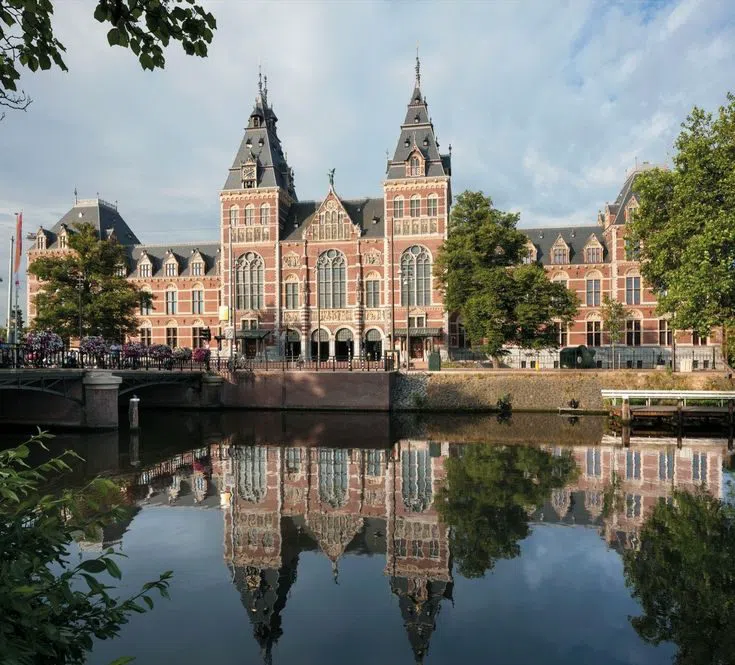
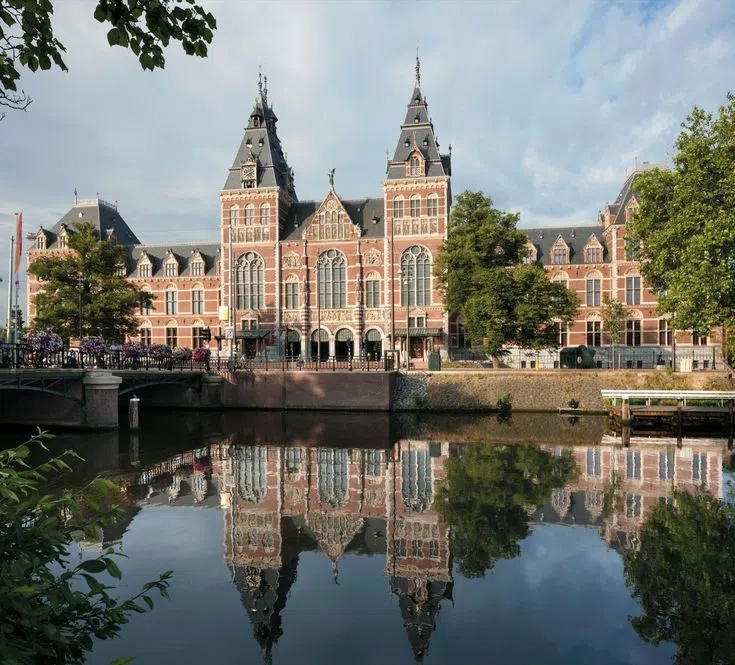
Build it around the Rijksmuseum (Museumplein), and stop trying to add a second museum. Adult entry is €25, under-18s free, free with a Museumkaart, and tickets are timed and online only; in summer, weekend slots go days ahead. Two hours in the Gallery of Honour is the whole Dutch Golden Age at a walking pace, and it is enough. Book the 09:00 slot or one after 15:00; the middle of the day is when every tour group in the city is standing in the same room.
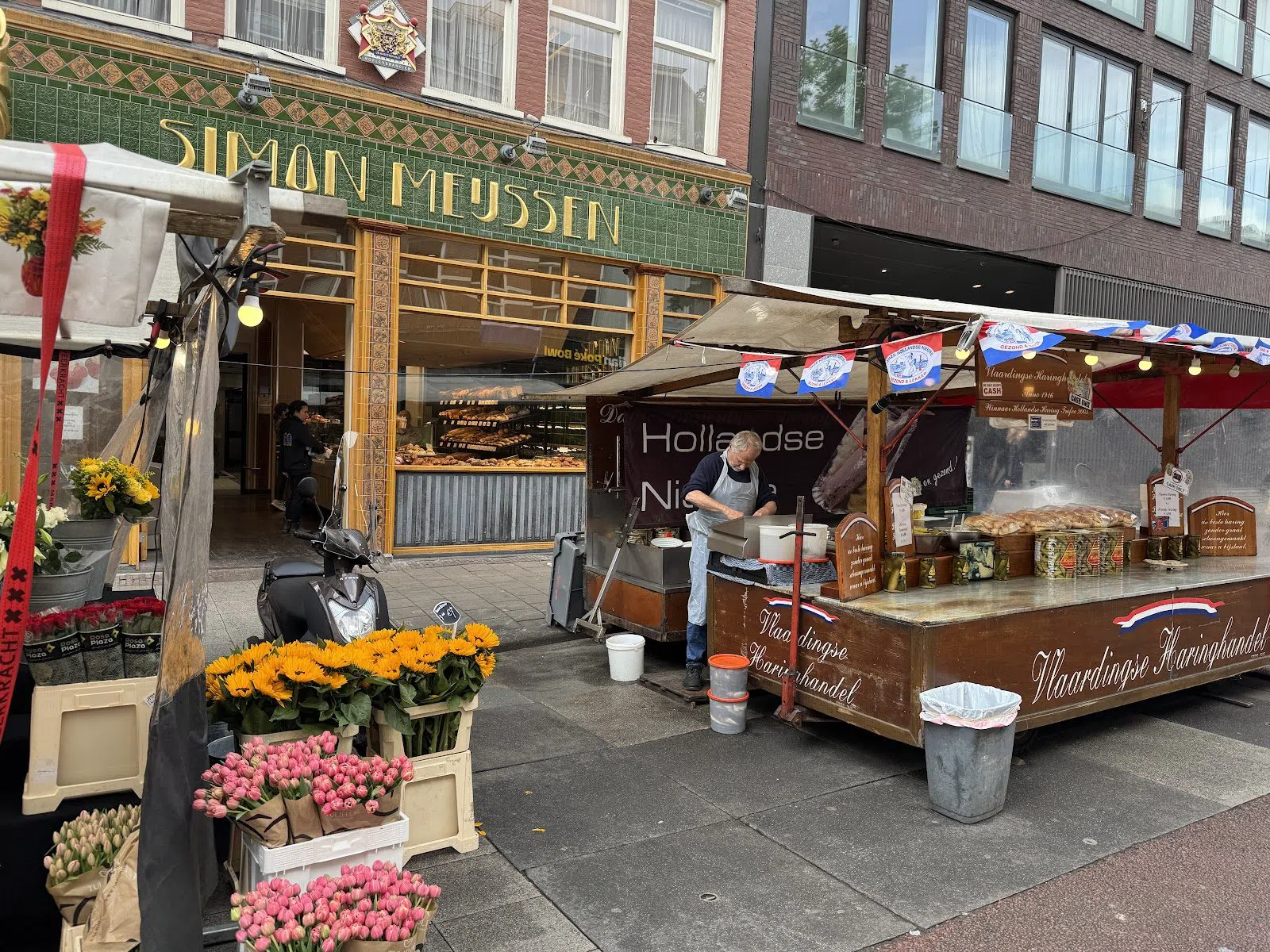
Walk fifteen minutes south afterwards to Albert Cuypmarkt (De Pijp), free to wander, roughly 260 stalls, Monday to Saturday 09:30 to 17:00. It is closed on Sundays, which matters enormously if your single day happens to be one, so check the day of the week before you build the plan around it. Snacks run €2 to €8 and the stroopwafel made in front of you is the cheapest good thing you will eat here.
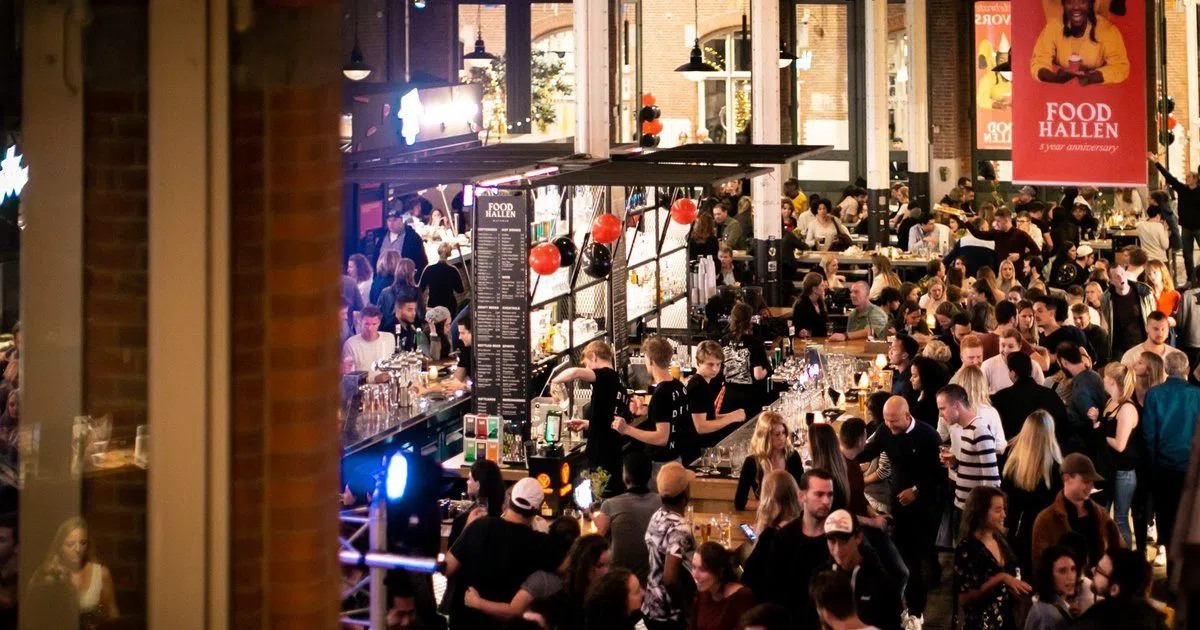
For dinner on a one-day trip, or on that Sunday when the market is shut, Foodhallen (Oud-West, inside the old tram depot at De Hallen) removes the decision entirely. Open daily 12:00 to 23:00, closed only on Christmas Day, €8 to €18 a dish, no reservations, communal tables, everyone orders separately from whichever counter they want. It gets packed on Friday and Saturday evenings, so arrive before 18:30 or expect to stand for a while. There is an art-house cinema attached if the weather turns.
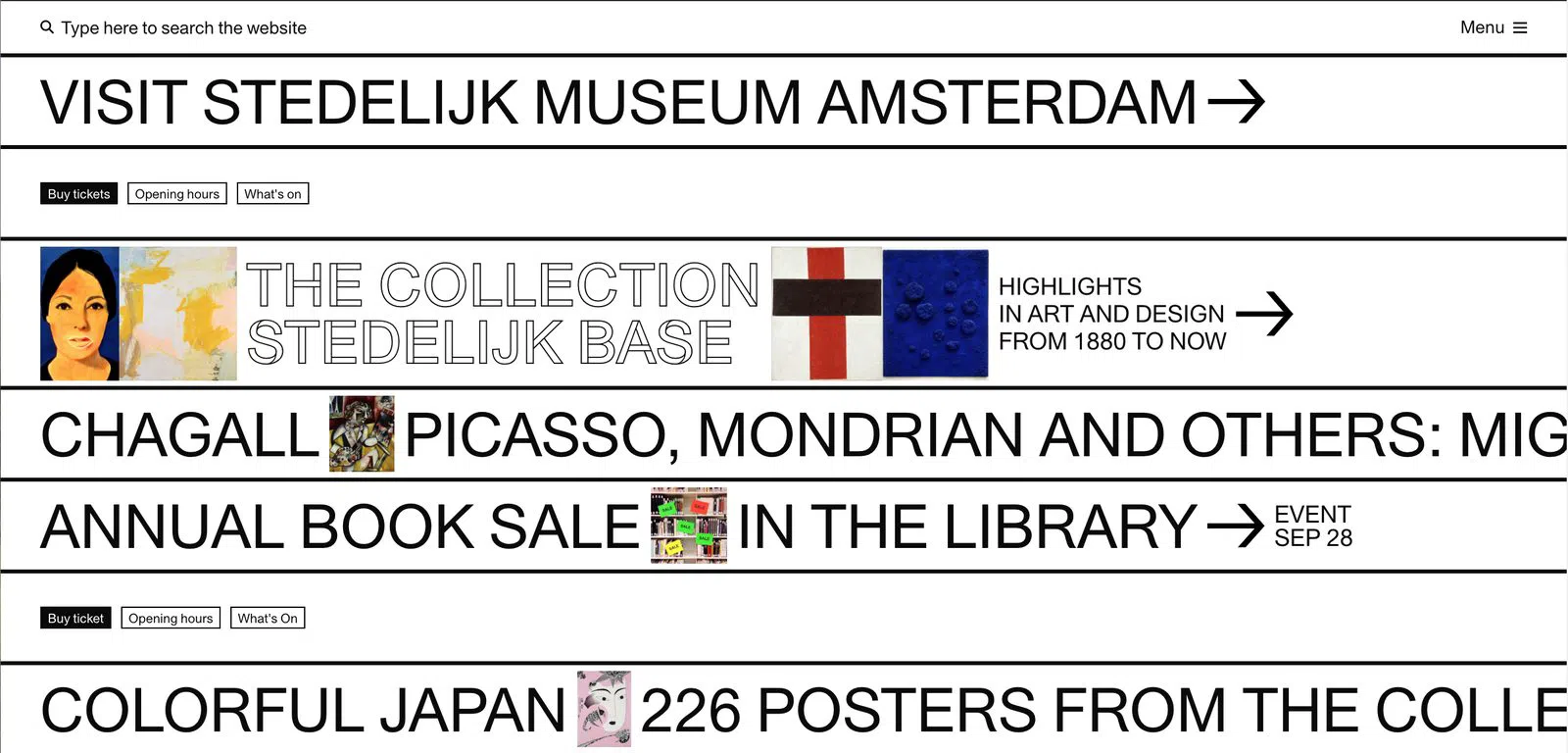
What you drop on a single day is the Stedelijk Museum Amsterdam (Museumplein, €22.50). It is the third museum on the same square and the easiest cut, unless you are here between 11 September 2026 and 17 January 2027, when the Yayoi Kusama retrospective and its new infinity mirror room run and entry rises to €32.50. That show is a reason to add a day, not to squeeze one.
The second day starts with a ticket you book six weeks out
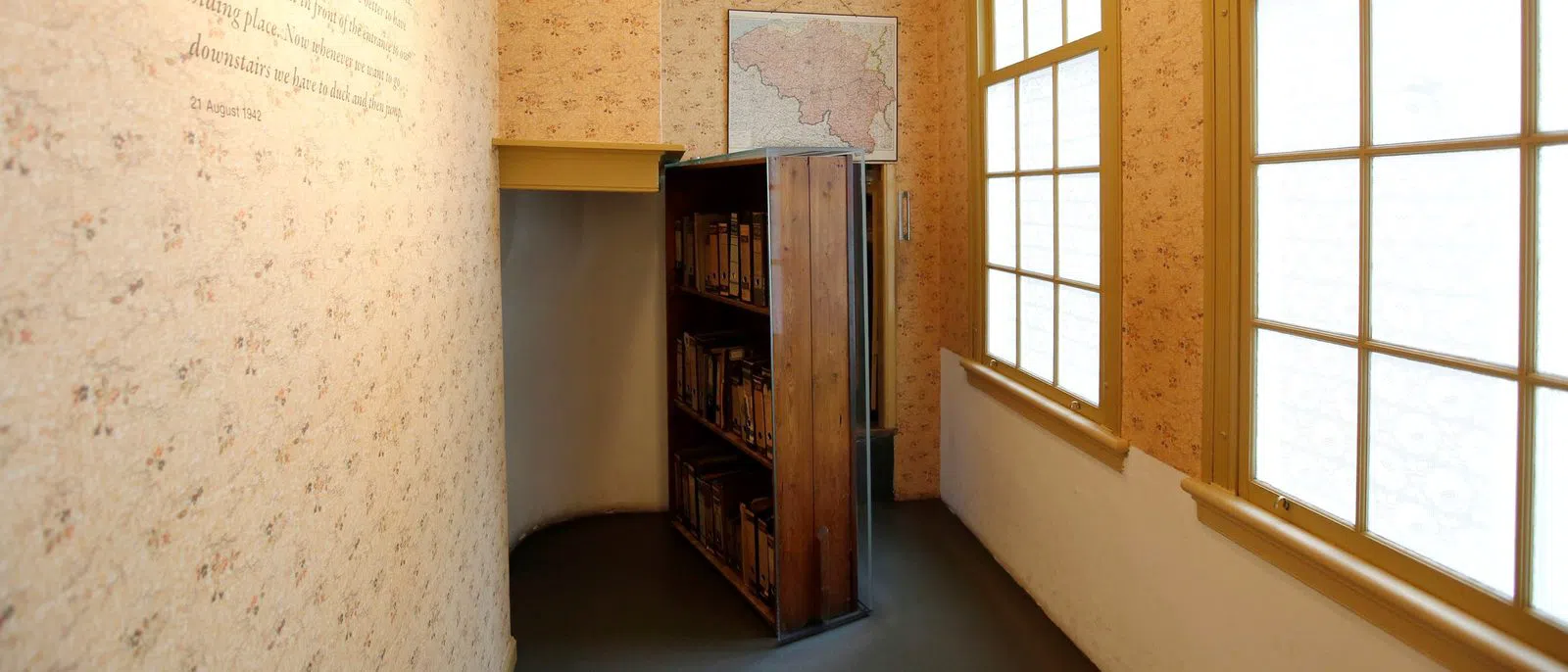
Anne Frank House (on the Prinsengracht at Westermarkt, on the Jordaan's eastern edge) is the hard constraint on every Amsterdam itinerary, and it should be the first thing you book, before flights are even confirmed if you can manage it. Tickets are €16.50 including the booking fee, and they release every Tuesday at 10:00 CEST for a date six weeks ahead. They sell through fast. Every visitor needs an individual timed ticket; there are no walk-in groups at all, and school or group programmes are a separate booking made well in advance. The one piece of good news is the opening hours: daily 09:00 to 22:00, so an evening slot is genuinely available and costs you no daylight.
The Van Gogh Museum (Museumplein) is €27 for adults, free under 18, timed entry for everyone, sold online only with no door sale whatsoever. It opens daily 9am to 6pm with a late Friday to 9pm, and that Friday evening slot is the single best trick for a tight two-day trip: it lets you spend the daylight elsewhere and still see the collection properly.
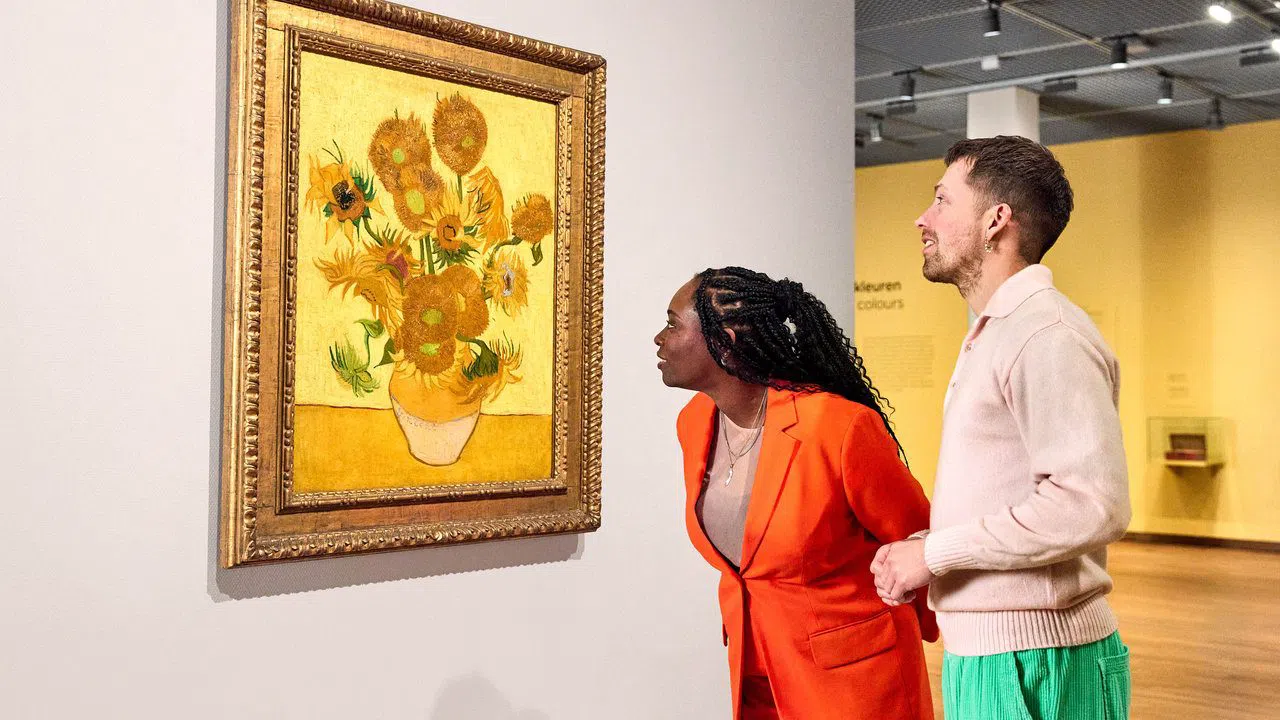
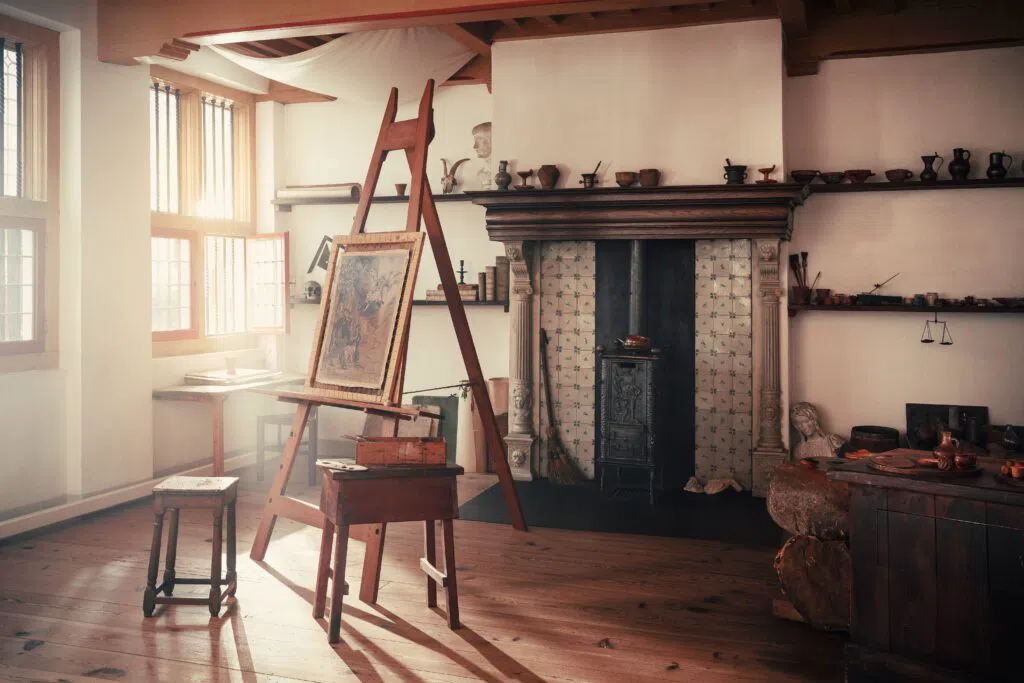
With the two big bookings anchored, fill the rest of day two on foot. Museum Het Rembrandthuis (Waterlooplein) is around €20, free with a Museumkaart, open daily from 10am, and takes about ninety minutes. It reopened in 2023 with a third more space and five new rooms, and it pairs naturally with a walk through Waterlooplein market and along the Amstel.
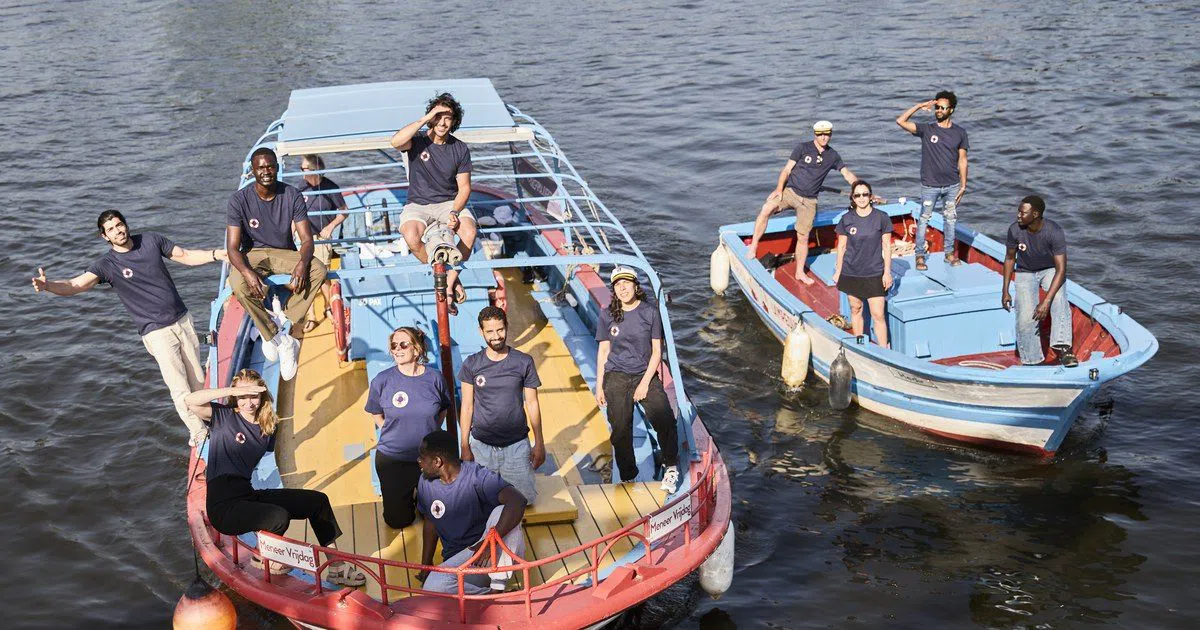
For the water, skip the glass-roofed hundred-seaters on Damrak. Rederij Lampedusa (Dijksgracht, departing from Mediamatic, a ten-minute walk east of Centraal) sails a repurposed refugee boat with guides whose own roots are elsewhere, telling the city's water story from that angle. It is €35 adult, €17.50 under 12, and runs an hour and a half. Public sailings are small, a couple of dozen people at most, which makes it excellent for couples and small parties and unsuitable as a bolt-on for a large one. Private and group charters are bookable separately if you need the whole boat.
Day three belongs across the IJ
The ferries behind Centraal are free, run around the clock, and take bikes and pushchairs. Day three is the day you use them.
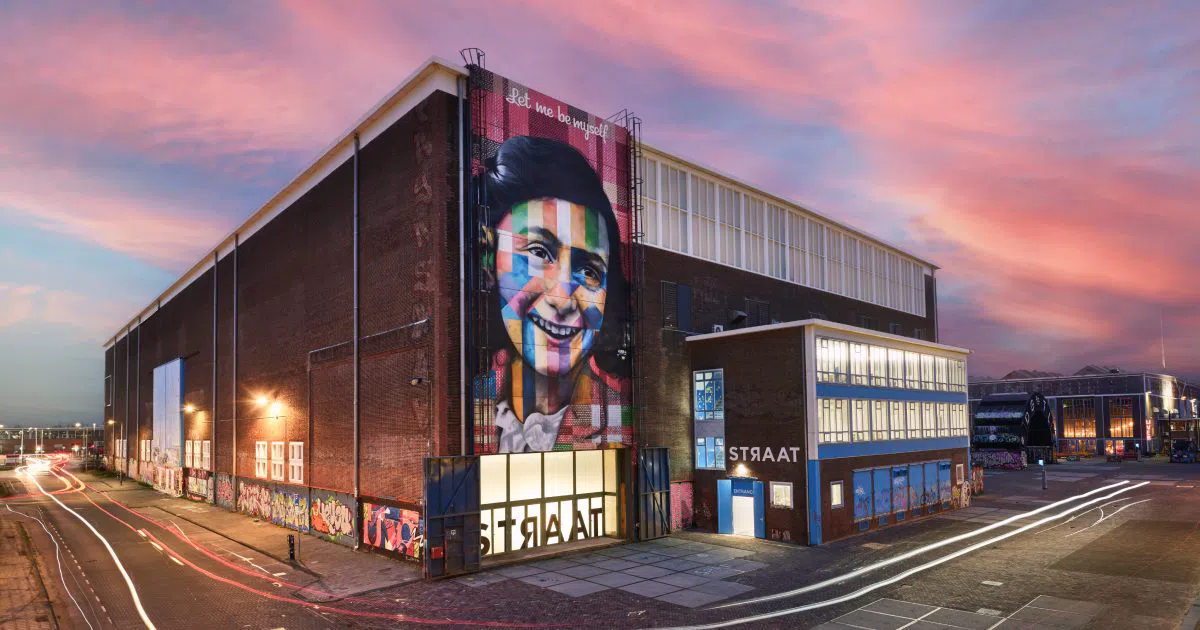
STRAAT Museum (NDSM, Noord) is under fifteen minutes on the ferry and is the reason to cross. Entry is €21.50 adult, €11.50 for ages 13 to 18, under-12s free, and €15 on the first-Friday late opening. It is open Tuesday to Sunday 10:00 to 17:00 and from 12:00 on Mondays, and day tickets do sell out, so book the night before at minimum. The hall is enormous, which makes it the one large-scale museum in the city that comfortably absorbs a big group, and it has dedicated group and school bookings to match.
Closer in, five minutes on the ferry to Overhoeks, Eye Filmmuseum (Overhoeks, Noord) charges €21 for exhibitions, €13.50 for a film, and lets under-18s into exhibitions free. The building and the waterfront café justify the crossing on their own, and an afternoon screening is a far better use of bad weather than standing in another queue in it.
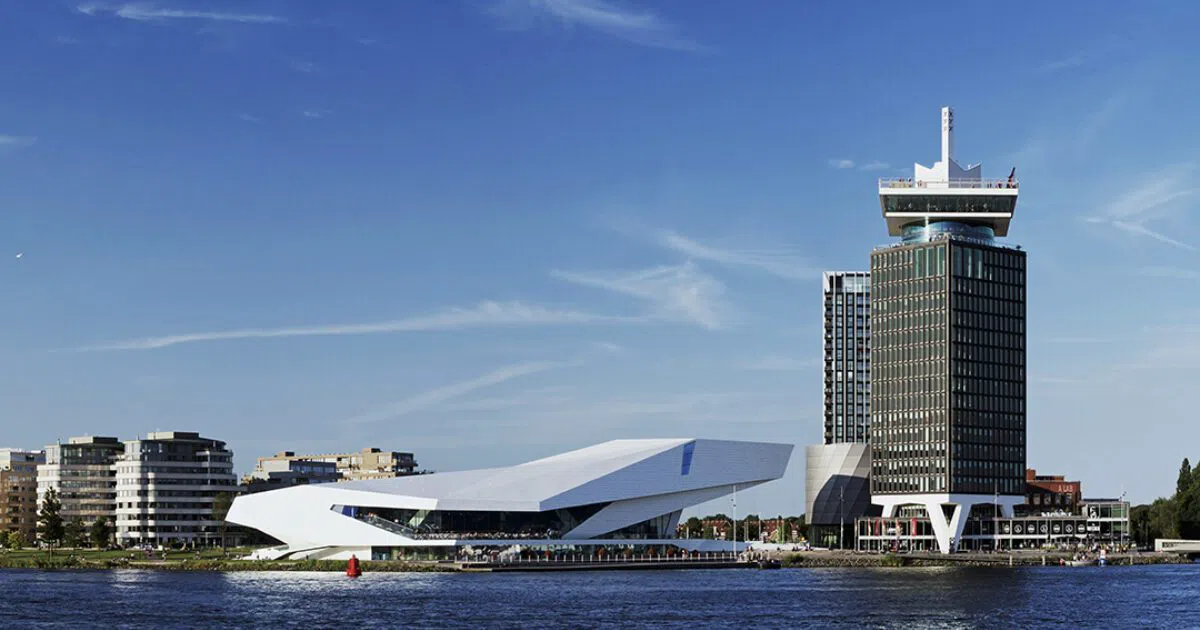
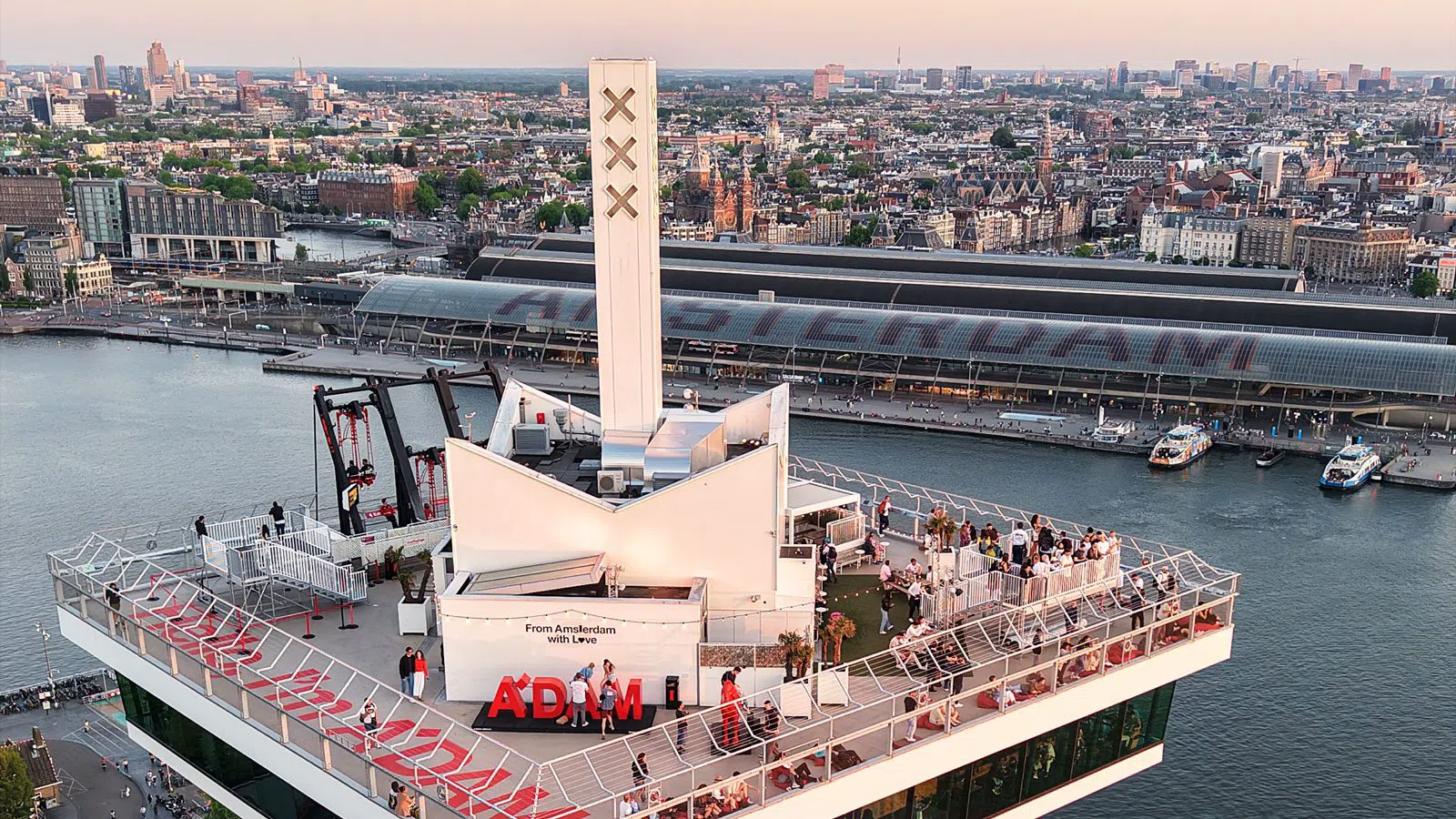
Next door, A'DAM Lookout (Overhoeks) is open daily 10:00 to 22:00, which is the point: it works after dinner instead of eating daylight. Standard entry is €15 including the swing, €7.50 swing-only, €25 premium. Groups are welcome and group rates exist, but the 'Over the Edge' swing is queued individually and is a separate add-on to most bundled city tickets. Check what you have actually bought before you queue for it.
The fourth day, when it stops being padding
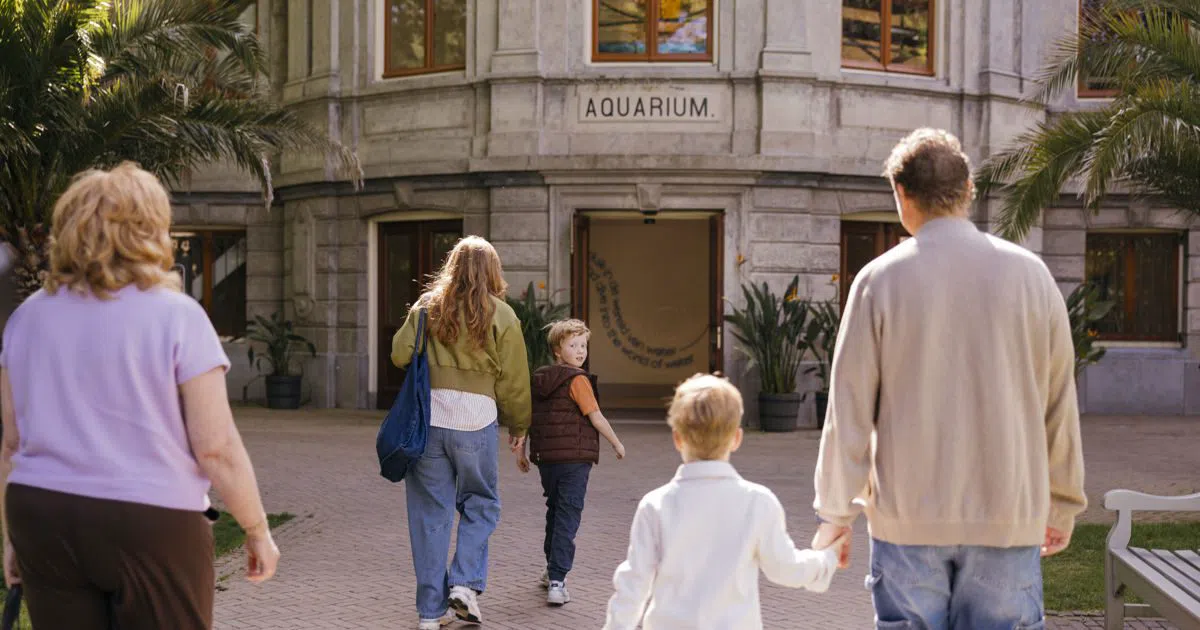
If you are travelling with children, ARTIS Royal Zoo including ARTIS-Micropia (Plantage) is the best half-day in the city and the clearest argument for a fourth night. The zoo is €29.50 online for adults, Micropia is €17.50, and a same-day combination saves about €11.50. Every online ticket carries a timed entry slot. The zoo runs 09:00 to 18:00, Micropia 10:00 to 17:00, and the aquarium and planetarium are already included in the zoo ticket. Do not buy them again.
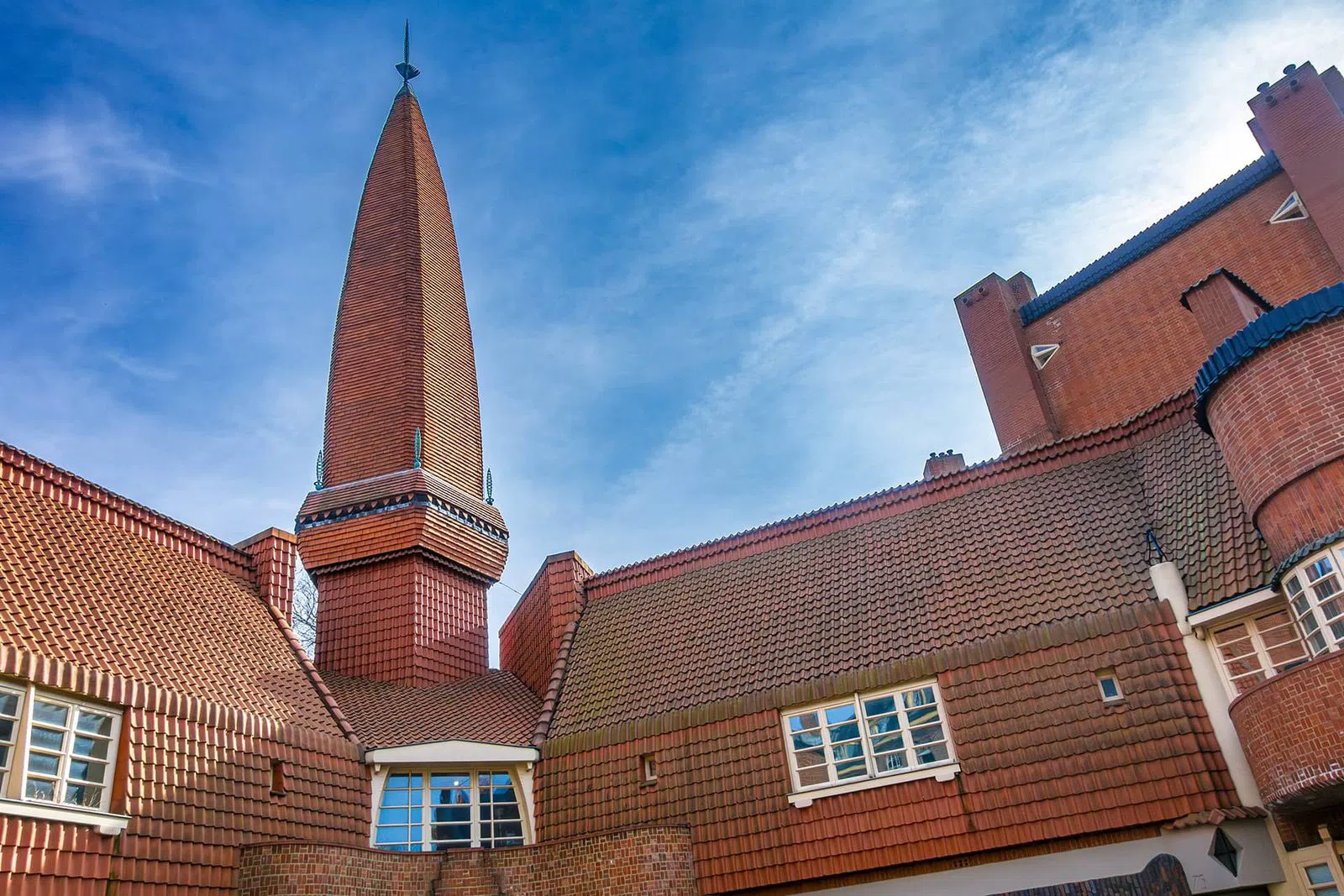
If you are not, spend day four on the thing you came for. Museum Het Schip (Spaarndammerbuurt) explains the Amsterdam School movement from inside the building that defined it, including a restored workers' flat you can walk through. Entry is €16.50, free with a Museumkaart, open Tuesday to Sunday 11:00 to 17:00. The guided tour is the main format rather than an extra, the rooms are small, party sizes are capped, and you must book ahead. Turning up hopefully is how people miss it.
Day five is a train ticket
Using Amsterdam as a base stops being a compromise here and becomes the plan.
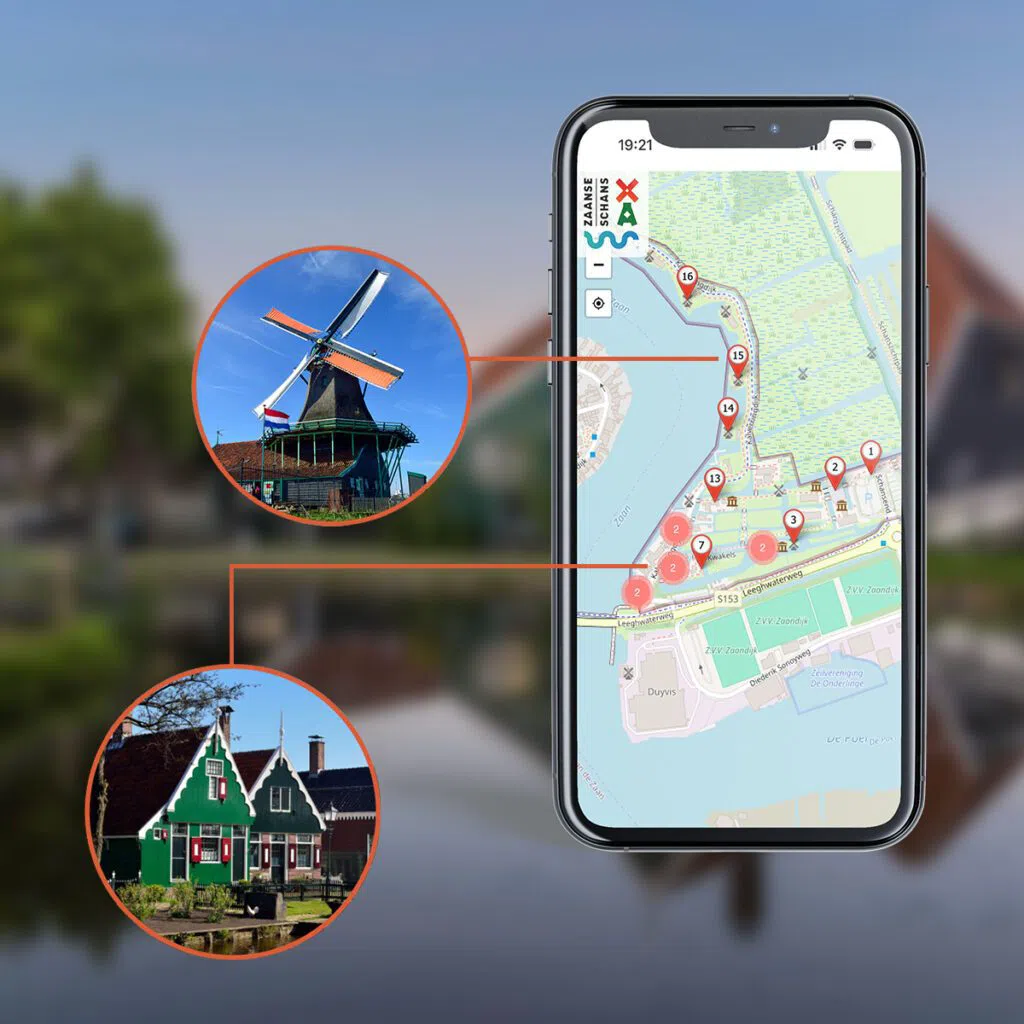
Zaanse Schans is twenty minutes from Centraal by train and is the easiest half-day out there is. Walking the site has historically been free; a €17.50 site ticket covering a windmill interior and the museum was announced for the 2026 high season, so confirm the current arrangement before you travel. It draws 2.6 million visitors a year and almost all of them are on site between 11am and 3pm, packed in with coach parties. Go at opening or from late afternoon and it is a different place.
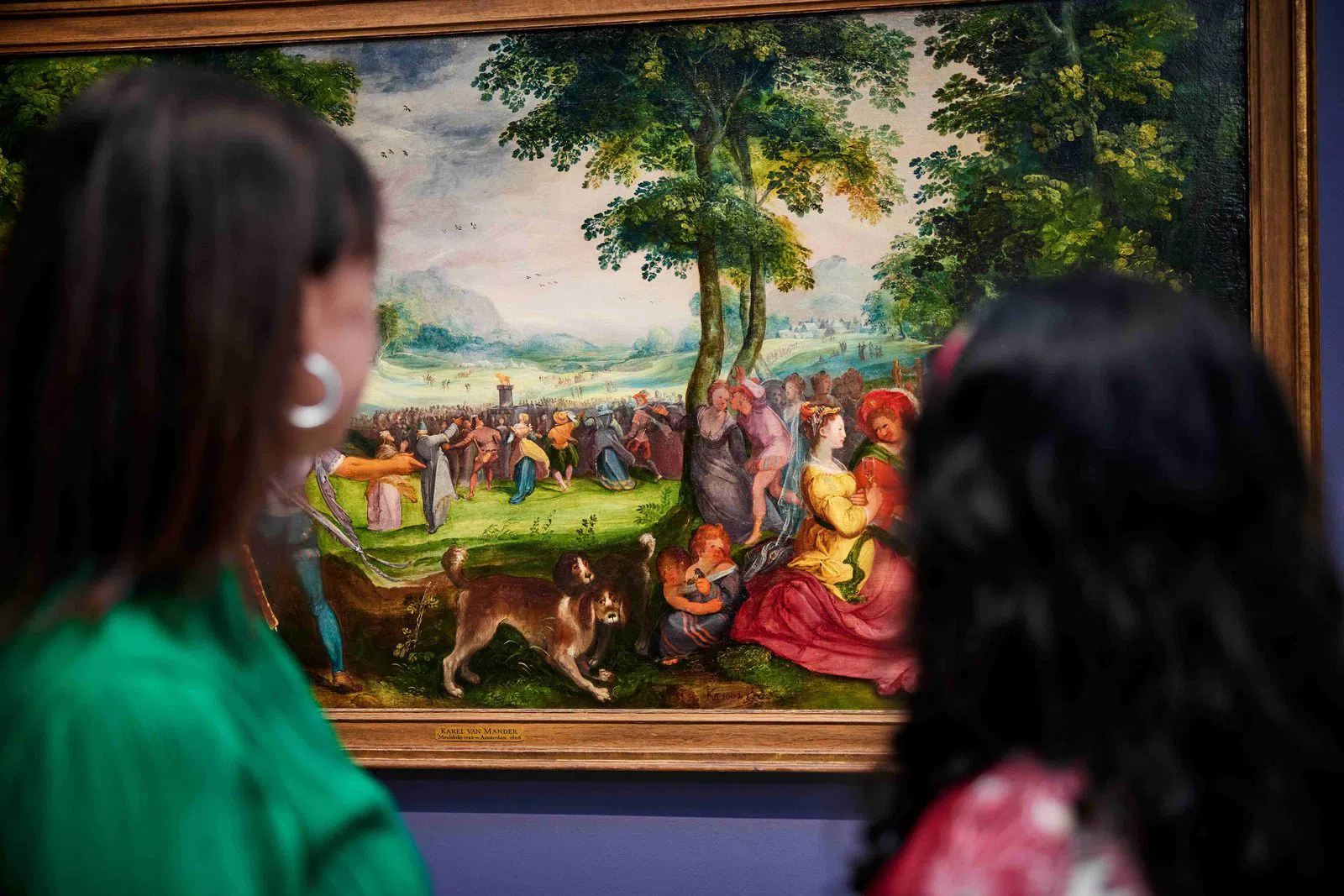
The Frans Hals Museum is under twenty minutes away by train, with departures every fifteen minutes and a fare of about €6.50 each way. Entry is around €19, €1.50 cheaper booked online, and it is included with the I Amsterdam City Card. Three exhibition rooms are closed for works from 17 August to 9 October 2026, so weigh that if you are here in early autumn. On a fourth or fifth day it is a better move than a third Amsterdam museum.
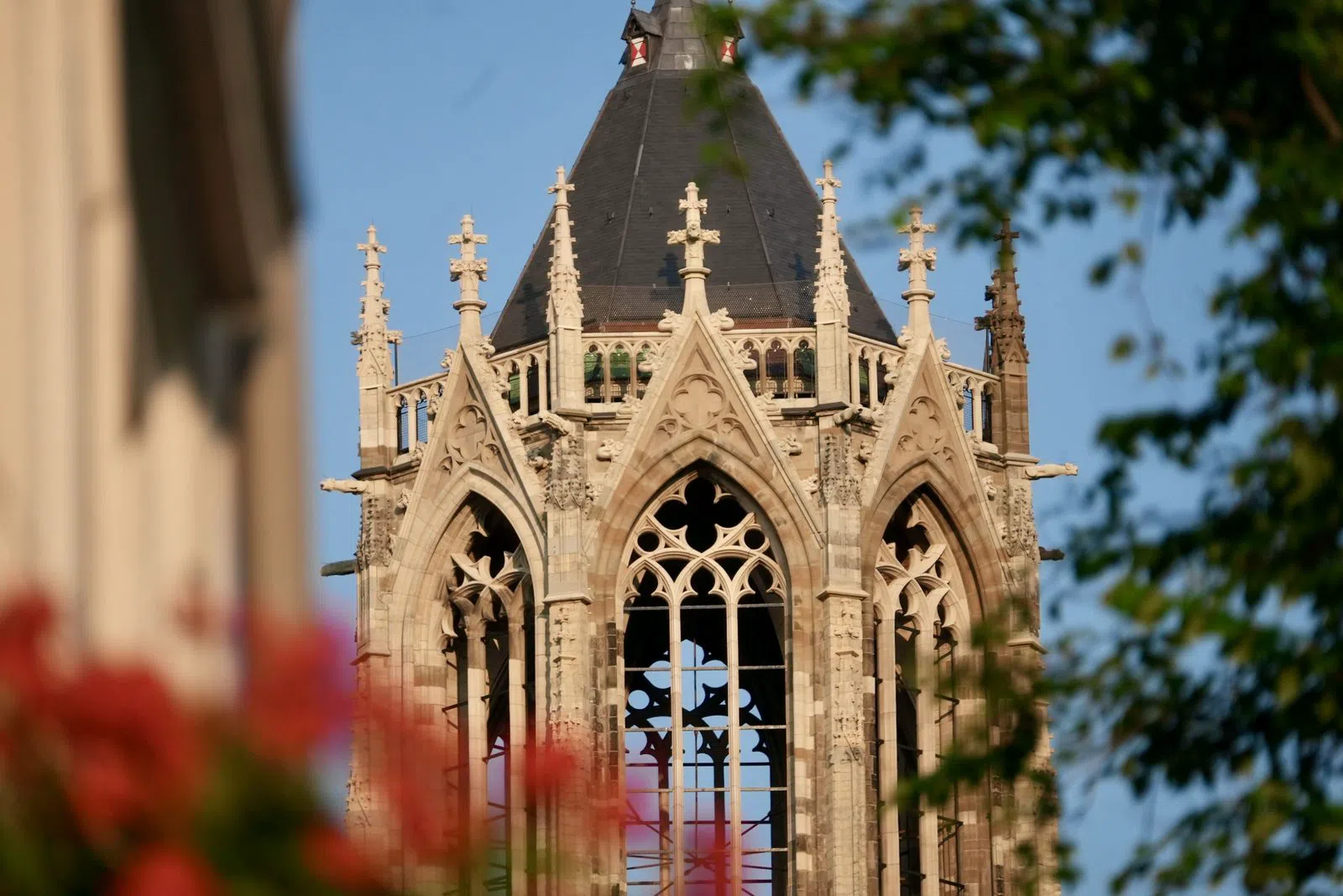
Dom Tower (Domtoren) is twenty-five minutes by direct train and is 465 steps up the tallest church tower in the Netherlands, open year-round since the long exterior restoration finished in 2024. It is guided-tour-only, in fixed-size groups leaving from the visitor centre on Domplein, costs roughly €14 to €17 and takes about an hour. Tours sell out; private and group tours are bookable in advance. Do not travel out on spec.
Groups, couples and what the doors actually allow
Size changes the plan more than budget does. The Rijksmuseum takes groups but anything over roughly ten must register in advance and hold a timeslot, with guided and school programmes available. The Van Gogh Museum welcomes groups by advance booking and requires group guides to be pre-arranged. The Anne Frank House does not take walk-in groups in any form. Het Schip and the Rembrandthuis are small buildings that stagger parties, so a group of twelve becomes two visits, not one.
Go the other way and the city is generous. STRAAT, Foodhallen and Albert Cuypmarkt absorb any number of people with no booking at all, and Zaanse Schans is built for coaches. Rederij Lampedusa is the opposite, intimate by design, better for two people or four than for fourteen. Couples get more from the boat and the house museums; groups get more from the market, the food hall and the big hall in Noord.
Getting around, paying, and what it adds up to
The ferries from behind Centraal are free and need no ticket. On trams, metro and buses you tap a contactless bank card or phone on the way in and again on the way out; the tap-out is the part visitors forget, and it costs money. Most of the centre is faster on foot than on a tram, and the canal ring is walkable end to end, so save transport for Noord, the Plantage and the Spaarndammerbuurt.
The city is card-first, but a fair number of market stalls and small food counters take Dutch debit only or prefer cash. Carry €20 to €30 in small notes for Albert Cuypmarkt and the ferry-side snack stands and you will not be caught out.
Book in this order: Anne Frank House first, on a Tuesday at 10:00 CEST for a date six weeks out; then Van Gogh, which has no door sale; then the Rijksmuseum; then STRAAT a week ahead. Everything else can be decided the night before. On tickets alone, a solid two-day core is about €68.50 a person, plus €35 if you take the boat. A third day in Noord adds €21.50 to €42.50 depending on whether you do the film museum and the lookout. A Museumkaart covers the Rijksmuseum, the Rembrandthuis and Het Schip outright, so it starts making sense from roughly the fourth museum onward rather than on a weekend break.
For where to sleep, anywhere inside the ring or in De Pijp puts you within walking distance of most of the above. Compare rates with the Amsterdam hotel search, and the wider Amsterdam guide covers eating and districts in more detail. Two nights is a real trip, four is a comfortable one, and five lets you leave the city for a day without feeling you missed it.
Before you go
Is one day in Amsterdam enough?
One day buys one major museum, one street and one dinner: realistically the Rijksmuseum (€25, timed online tickets only), Albert Cuypmarkt if it is not a Sunday, and Foodhallen afterwards. Two of the three Museumplein museums will not fit. Build the day around a single anchor instead of adding a second ticket.
How far ahead do I have to book the Anne Frank House?
Tickets cost €16.50 including the booking fee and go on sale every Tuesday at 10:00 CEST for a date exactly six weeks ahead, then sell through quickly. Every visitor needs their own timed ticket, and there are no walk-in groups. The house opens daily 09:00 to 22:00, so evening slots are worth trying when the daytime ones have gone.
How many days do I need if I want a day trip as well?
Four at minimum, five in comfort. Two days cover the city core, one covers Noord across the free ferry, and that leaves a full day for Zaanse Schans (twenty minutes by train), the Frans Hals Museum (under twenty minutes, about €6.50 each way) or the guided Dom Tower climb (twenty-five minutes). Squeeze a day trip into three days and you cut a museum you have already paid for.
Is the Museumkaart worth buying for a short trip?
Only from about the fourth museum onward. It covers the Rijksmuseum, Museum Het Rembrandthuis and Museum Het Schip at no extra cost, which suits a stay of four or five days. On a two-day trip built around the Van Gogh Museum and the Anne Frank House, you will not use it enough to break even.
What is open in the evening in Amsterdam?
More than you would expect. The Anne Frank House runs to 22:00 daily, the Van Gogh Museum stays open to 21:00 on Fridays, A'DAM Lookout is open until 22:00 so it works after dinner, and Foodhallen serves until 23:00 every day. Adding one evening slot to each day is how two days cover roughly three days of ground.