The Amsterdam issue
Five Days of Amsterdam Dance Event, Room by Room
ADE 2026 runs 21 to 25 October, five days that work best if you plan them in advance. Here is which room suits which kind of group, what it costs, and how you get home.
By Robin HaasThe slow way through Amsterdam's canals, courtyards and back streets

The free ferry behind Centraal Station at three in the morning shows you what Amsterdam Dance Event actually is. Forty people in October coats, most of them holding a phone with a QR code on it, crossing black water towards a tower with a basement under it, and the same boat coming back at nine with a different forty, blinking at the commuters going the other way. For five days in late October the city stops treating dance music as a night out and starts running it as a timetable.
What the five days actually are
ADE 2026 runs from 21 to 25 October. Two festivals happen at once and they barely overlap. The first is a professional conference that takes place in daylight and needs a badge. The second is a city-wide programme of individually ticketed parties, well over a thousand of them, spread across clubs, a church, an arena, a former prison boiler room, a gasholder and several hangars, running from late morning through to the following late morning.
Understand this before you book anything: there is no wristband that opens every door. Every party is its own ticket, sold by the venue or the promoter, and the ones people actually want are gone weeks ahead. The schedule fills out through September, so the sensible pattern is to buy the two or three events you genuinely care about the moment they go on sale, then leave the rest of the week loose. Nobody who has done ADE properly has a plan for all five nights. They have two fixed points and a lot of walking.
Budget between €150 and €400 for tickets across the five days, depending on how many big rooms you want. Add taxis. If you are building the rest of the trip around the music, the Amsterdam guide covers the daytime city you will be sleeping through.
Plan your Amsterdam trip
Live prices from our booking partners.
Free cancellation on many rooms. We may earn a commission when you book.
Buy the small-room tickets first
Shelter (Amsterdam Noord, in the basement under the A'DAM tower) is the one to sort out before anything else. It is a Funktion-One room of roughly 500 capacity and its ADE bookings are far bigger than the room, which makes it the most consistently oversubscribed small space of the festival. It sells out first, every year. Tickets run about €18 to €30 on a normal club night and €30 to €50 during ADE. Getting there is the easiest journey in this whole article: the Buiksloterweg ferry from behind Centraal takes two minutes and costs nothing, day or night.

The door here is music-first and it does turn people away. Obviously drunk, loud, stag-shaped groups do not get in. If there are more than six of you, arrive in twos and threes over ten minutes rather than as one twelve-strong block at the front of the queue, and have everyone buy their own ticket in advance. That is not a rule anyone will read out to you; it is simply how the door reads a crowd.
The rooms that hold a crowd
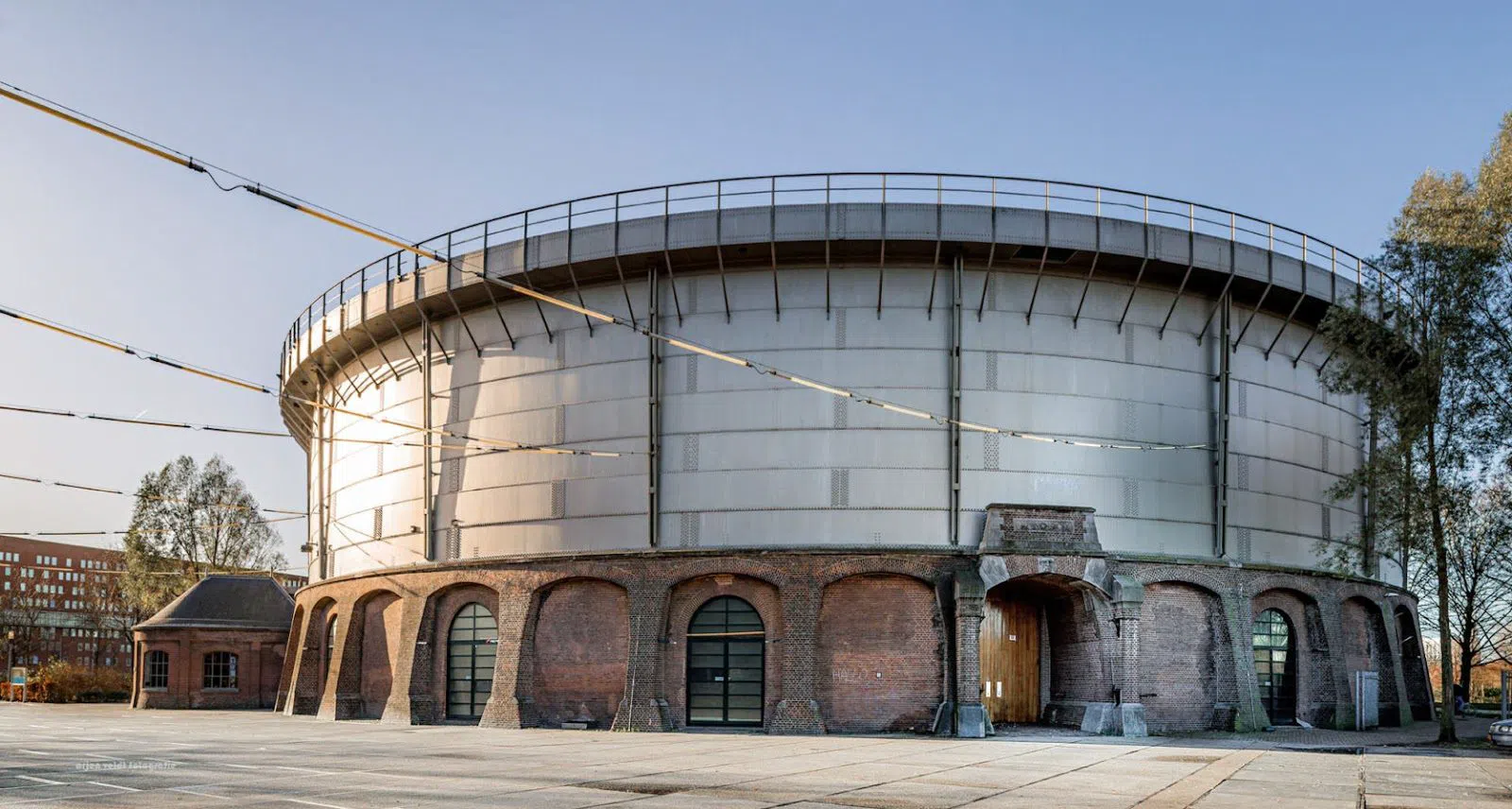
Gashouder (Westerpark) is a round, pillarless gasholder holding well over 3,500 people. It is Awakenings' home room, and their ADE 2026 run spans nine shows with Charlotte de Witte, Amelie Lens and Adam Beyer among the names. Tickets are roughly €50 to €80. It is the most group-proof space in the city, but set a meeting point before you walk in: phone signal inside a steel drum is genuinely poor and people lose each other for hours. It is about ten minutes on foot from Haarlemmerplein, or bus 21 to Van Hallstraat.
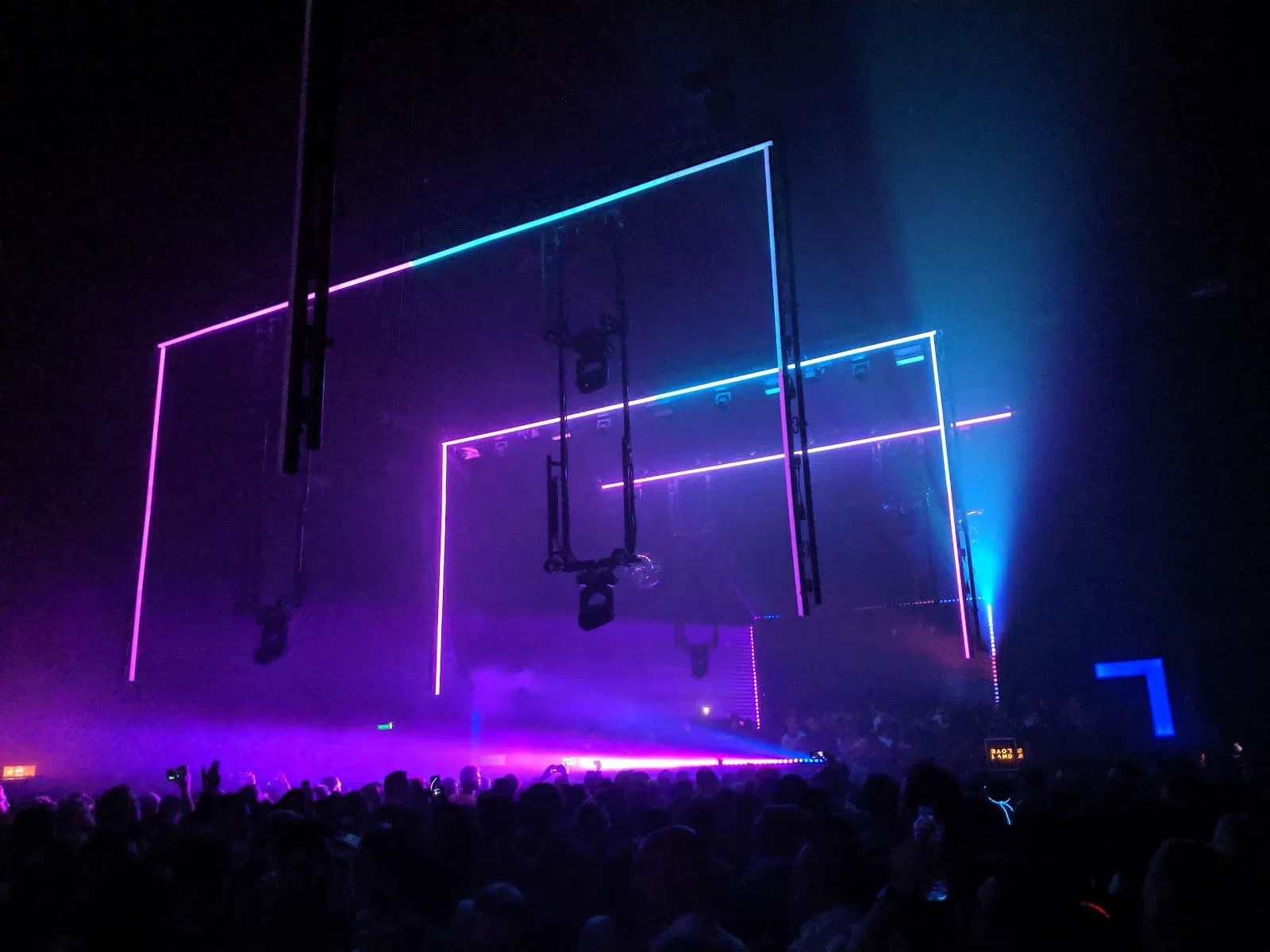
AFAS Live (Bijlmer, in the south-east) is the big-room end of the week. Jean-Michel Jarre headlines the ADE 2026 opening concert there on 21 October, and 10 Years of STMPD RCRDS also lands in the hall. Roughly €50 to €90, seated and standing tiers, direct metro and mainline trains to Bijlmer ArenA. This is the one venue where a mixed-age group (a parent, a nervous friend, someone who does not want to queue in the cold) all get in without any door risk at all.
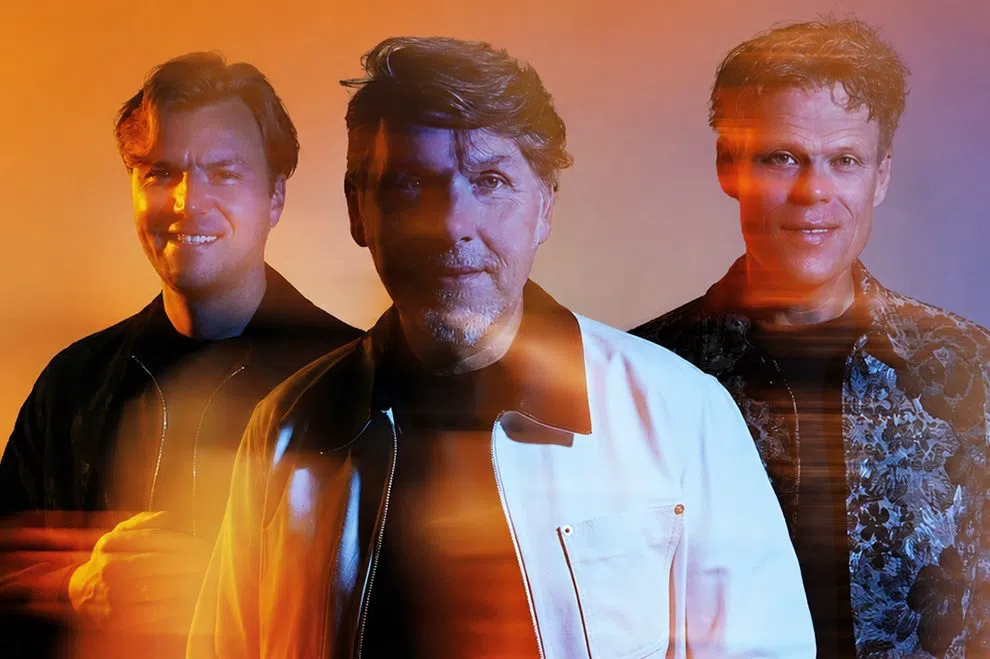
Warehouse Elementenstraat (the Westpoort industrial estate, near Sloterdijk) is a former peanut factory turned into one of the biggest party halls in the city, hosting names like Skepta's Más Tiempo on the Saturday of ADE 2026. Roughly €35 to €65. Capacity is not a problem for any group. The location is: it sits on an industrial estate with nothing around it, so agree your taxi or your night bus back before you go in, not at four in the morning in a car park.
The half that happens in daylight
A serious amount of ADE happens while the sun is up, and that is the only way to do five days without falling apart.
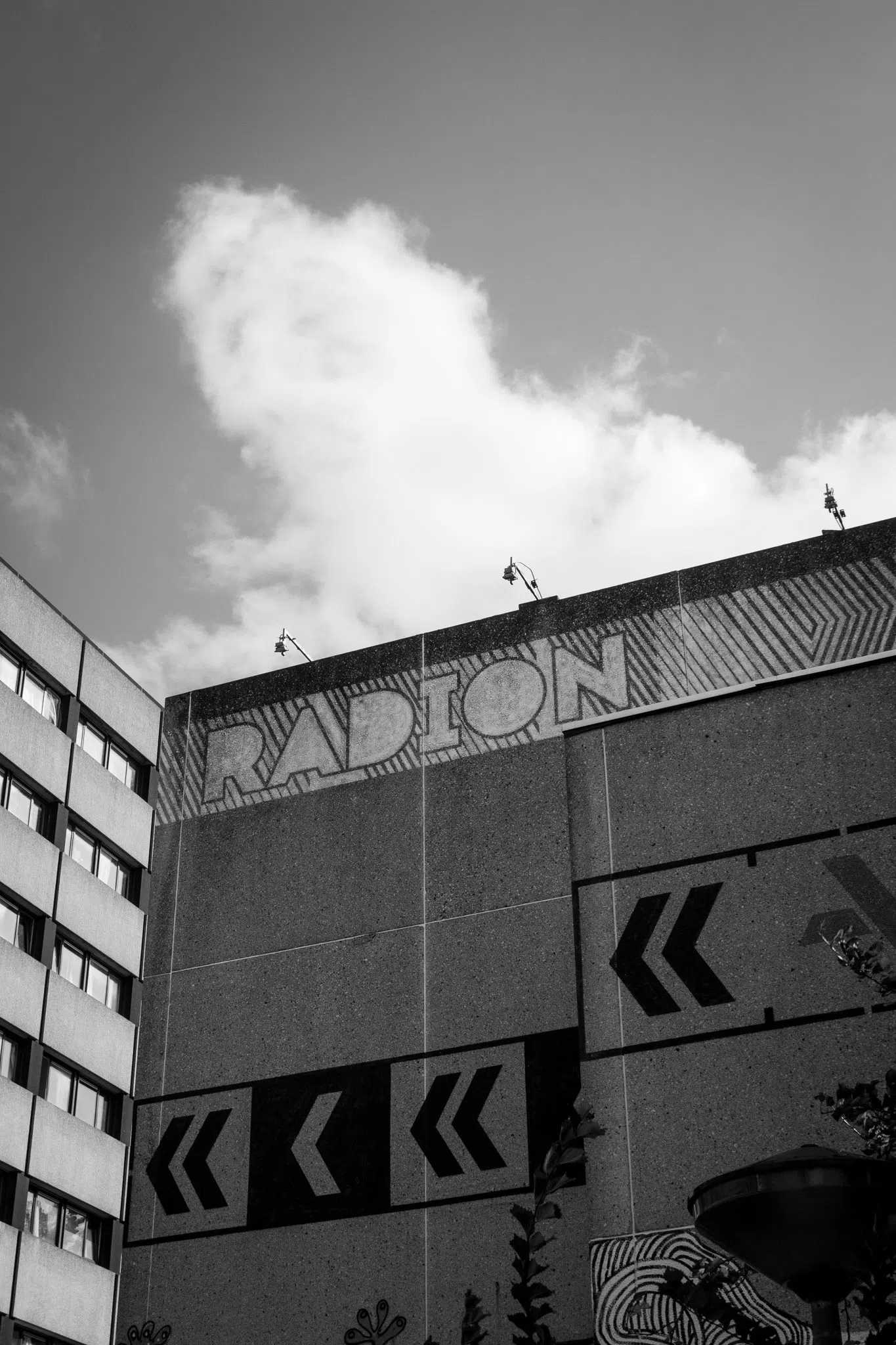
RADION (Nieuw-West) holds a 24-hour licence, which is why the marathon sessions land there. A 09:00 to 19:00 Saturday programme sits on the 2026 schedule, and starting a night at nine in the morning is a very different experience from a 2am club. It is 1,600 capacity across several halls, roughly €25 to €45, and it works well for a group that wants to split up and regroup. Nearest station is Lelylaan, then a short bus ride or a cheap taxi.

Thuishaven (Westpoort, out by the harbour) runs its day sessions on Saturday from morning through to night, in October cold, on open ground dressed in scrap metal with heated hangars to retreat into. Day tickets are roughly €35 to €55 and some ADE nights go up to around €79. It is stages and bars spread over a site rather than one packed room, which makes it forgiving for a big group. Dress for standing outside in a Dutch October, because you will be.
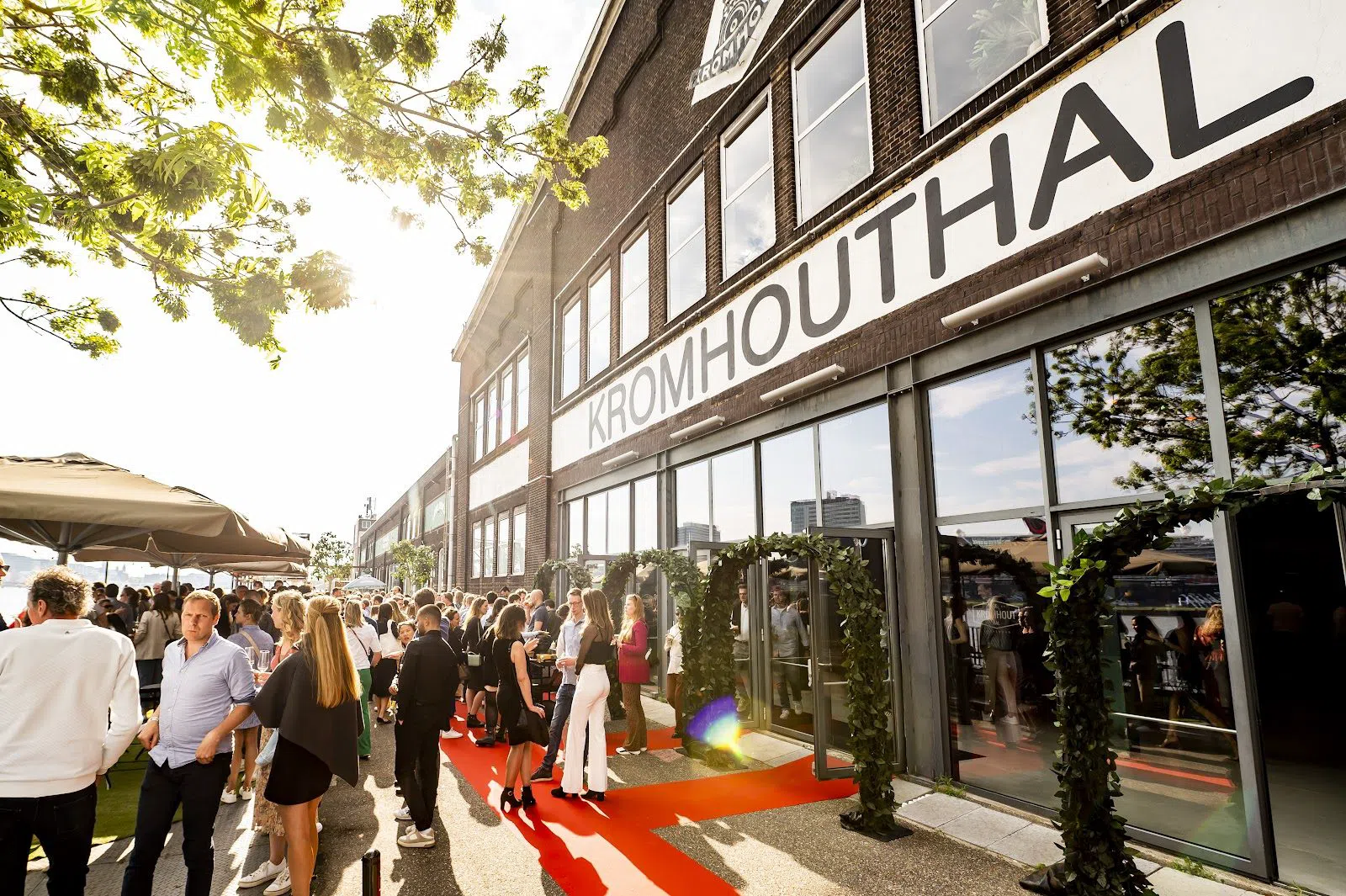
De Kromhouthal (Noord, on the water) is a former ship-engine works and the daytime counterweight to the all-night circuit. For ADE 2026, Lane 8's This Never Happened takes the Saturday and Folamour plays an all-day Sunday closer. Roughly €40 to €65, a very large floor, no group problem, and you finish at a civilised hour, which mid-festival is worth more than another headliner.
Felix Meritis (an 18th-century canal house on the Keizersgracht) is where the other festival lives. The ADE Pro conference runs there from 21 to 24 October and it is badge-holders only. The pass costs several hundred euros and covers all four days. It is not a walk-in venue and it is no use to a group who just want a night out. If you work in music, it is the part of ADE most visitors never see.
Two central venues you can walk between
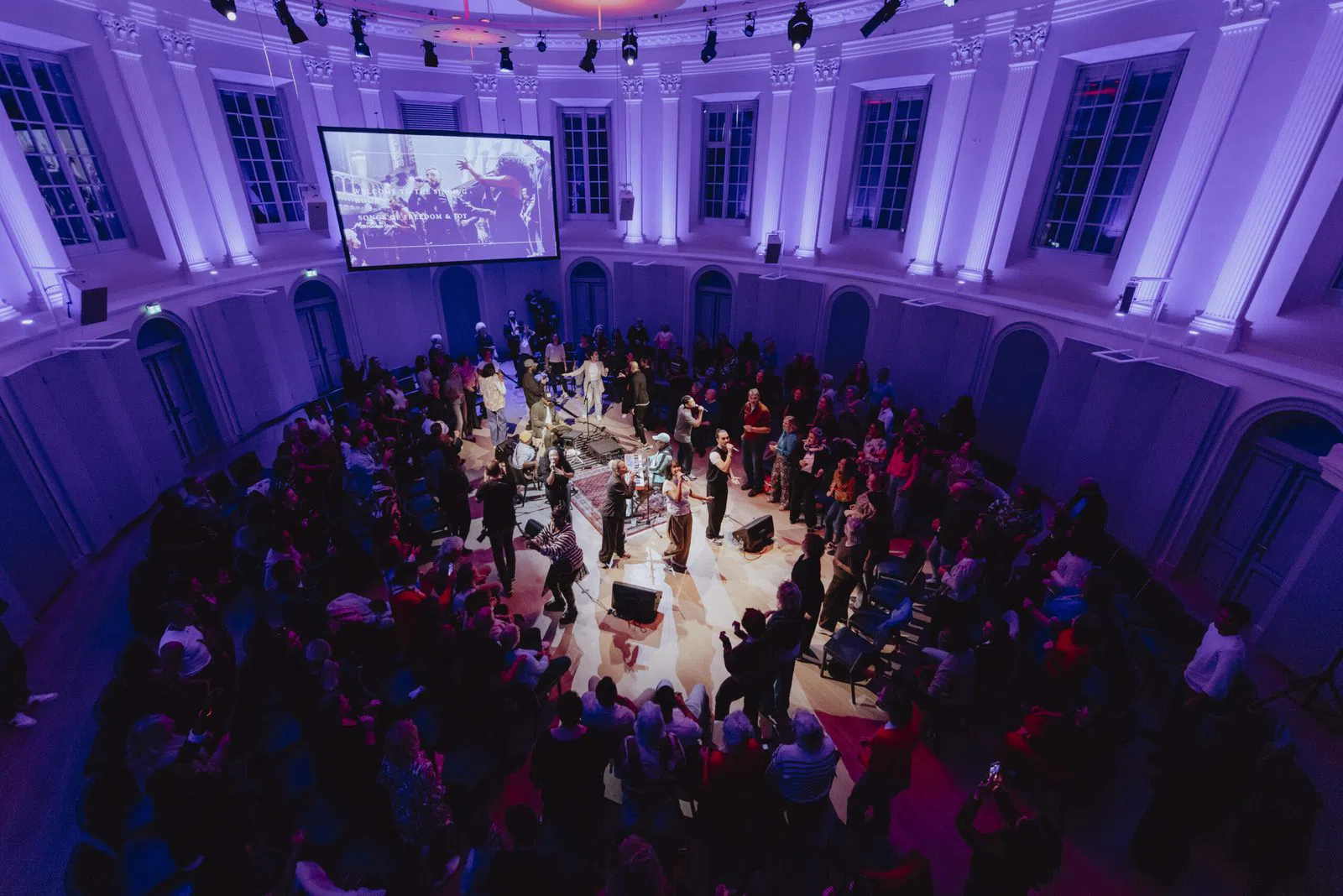
Paradiso (Leidseplein) is a converted church with a stage under the stained glass, and it is the easiest major venue in the festival to reach on foot from the centre. Anjunadeep and Speedy J's STOOR live are both booked for ADE 2026. Tickets roughly €25 to €45. There are no door-policy games here, groups of any size are fine, and the balconies give you somewhere to stand when the floor gets too tight.
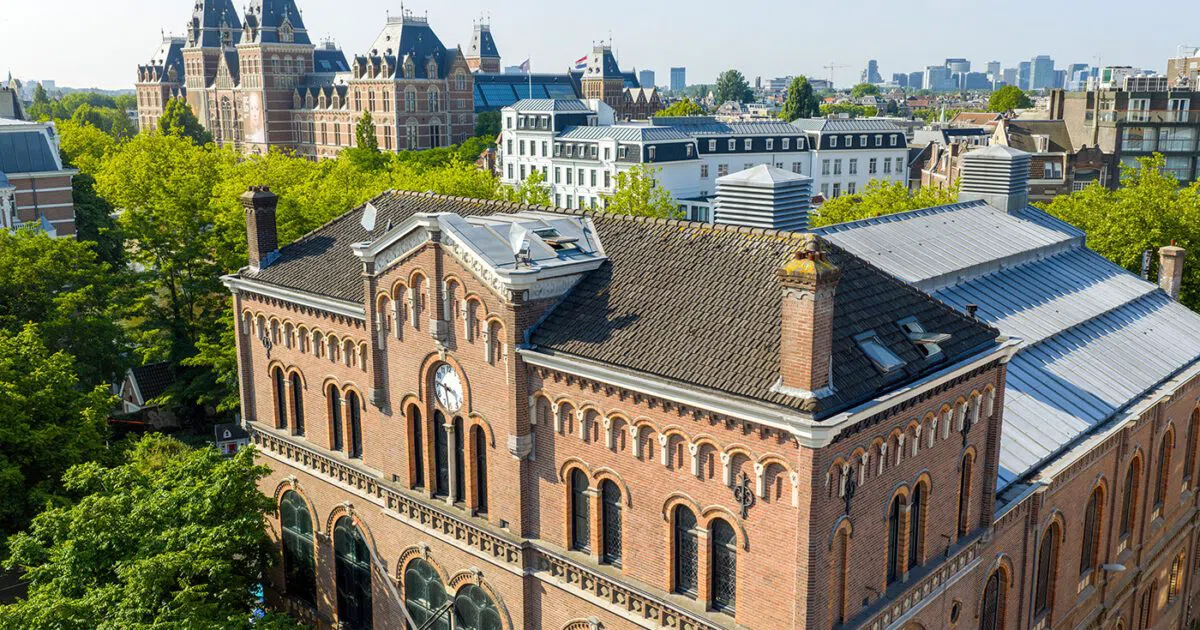
Melkweg (also Leidseplein, two minutes from Paradiso) runs a full five-day programme for the 30th edition, including the opening concert with the Metropole Orkest and Dave Clarke's 30 Years of ADE night. Several rooms sit under one roof, so a group can move between a concert, a club floor and the cinema without going outside. It is the best building in the city for anyone who wants more than four-four all week. Roughly €25 to €45. Trams 1, 2, 5, 7 and 12 all stop at Leidseplein, and the walk back to most central hotels is fifteen minutes.

Small rooms for people who hate big rooms

Doka (in the basement of the Volkshotel on Wibautstraat, east) is built for record-collector sets at listening volume rather than blunt force, and United Identities hold their long-running ADE session there on 23 October 2026. It is small, best for groups of about six or fewer, roughly €15 to €30, ticketed for ADE nights. The hotel above it means the night can end without a taxi, which is a rarer luxury than it sounds. Metro to Wibautstraat.
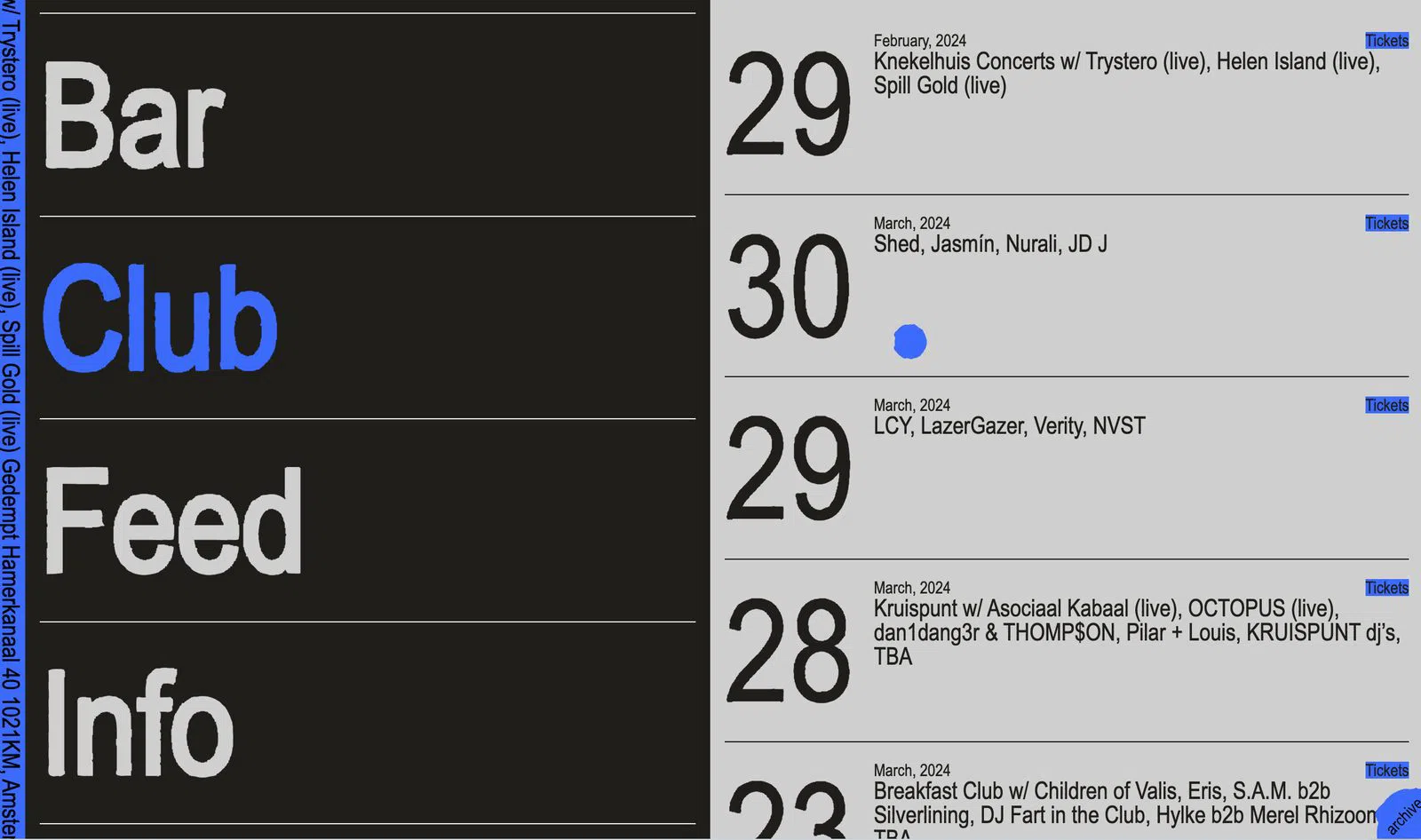
Garage Noord (Amsterdam Noord, on the Gedempt Hamerkanaal) is open Thursday to Saturday from 20:00 for food with the club starting at 23:00, and holds a 24-hour licence for the long weekenders. The bookings lean experimental and bass-heavy rather than big-room techno, which is a useful break from a week of headliners. Roughly €15 to €30. It is a small room: a group of more than six or eight fills it. Eat in the front room first, then stay put. The IJplein ferry plus a ten-minute walk gets you there.
Radio Radio (Westerpark, on Van Hallstraat) is a working radio station with a club attached and a genuinely good pizza bar, five minutes from the Gashouder. A few hundred capacity, fine for groups of up to about eight, walk-in early in the evening and ticketed for ADE nights, roughly €10 to €25. Treat it as the warm-up before an Awakenings night rather than a separate trip across town.

Out where the trams stop
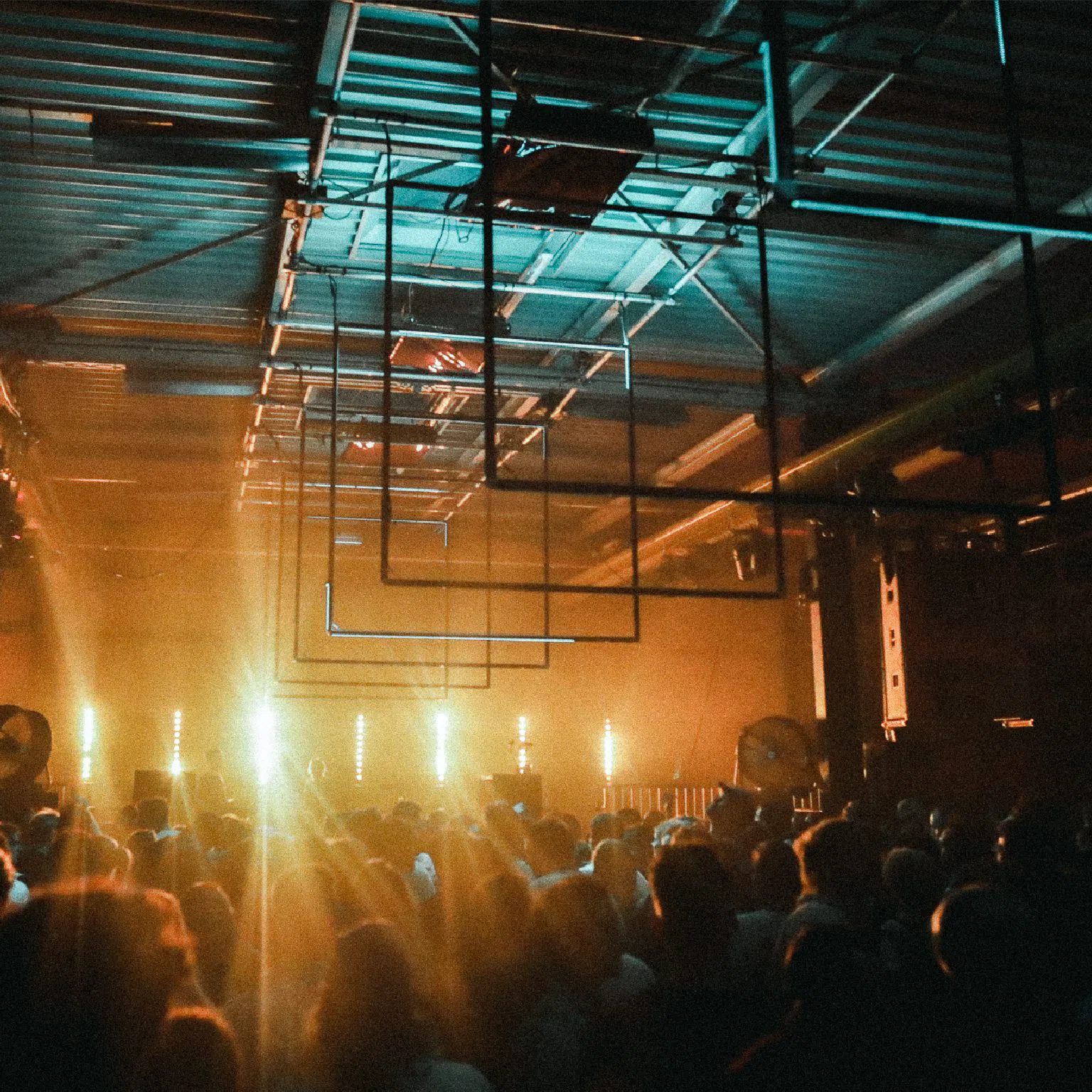
Lofi (west, off Basisweg) is one of the very few Amsterdam clubs with a real outdoor dancefloor, and it opened during ADE in the first place. Its programme runs across all five days of the 2026 edition. Capacity 1,500, roughly €25 to €45. The outdoor floor is the reason to pick it for a mixed group: the people who do not want to dance have somewhere to stand and talk without shouting.
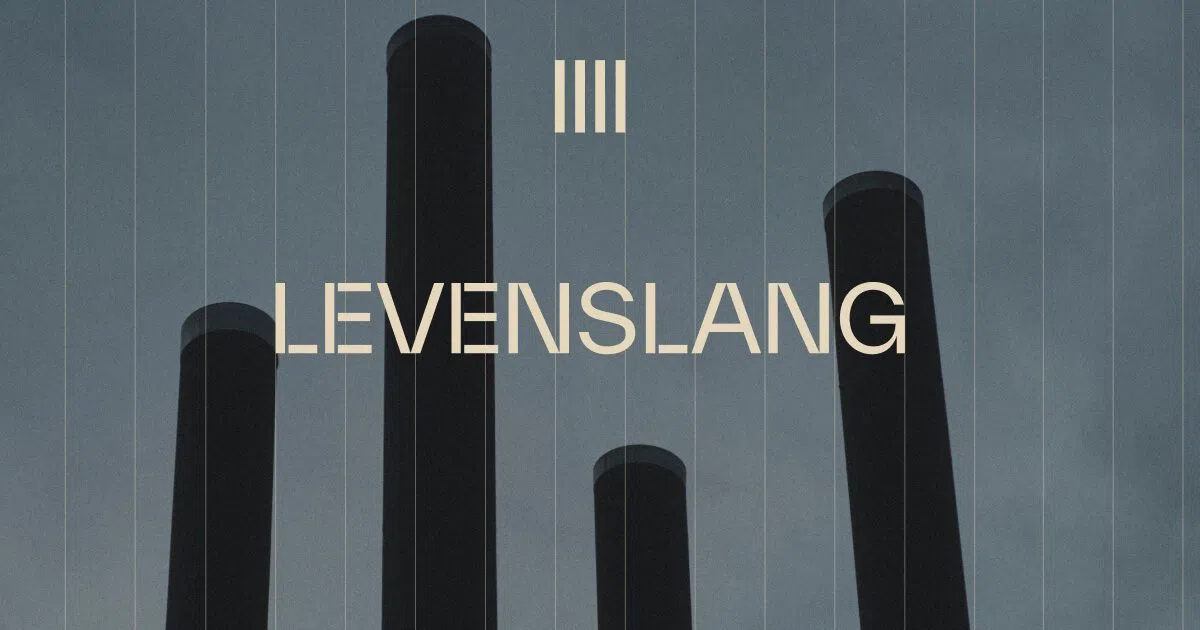
Levenslang (south-east, in the boiler room of a former prison) is exactly the kind of industrial space this city does well. Intercell base a large part of their ADE 2026 run there, from the 21 October kickoff through to a Chloé Caillet closing set on the 25th. Roughly €25 to €45, and it takes a crowd comfortably. Spaklerweg is the nearest metro, so check its last run or budget for a taxi.
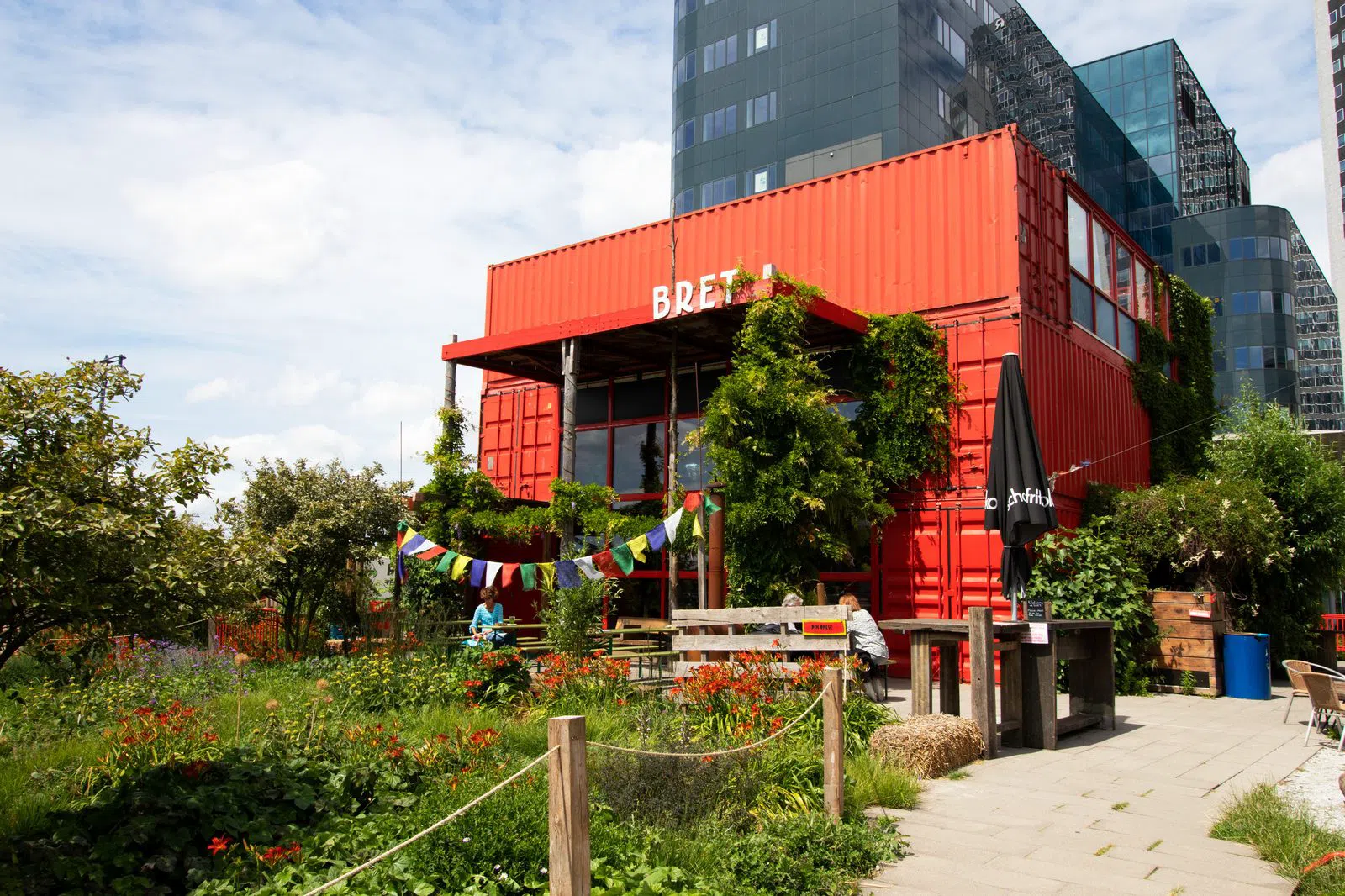
BRET (three minutes from Sloterdijk station) solves the problem every group hits on night three: nobody has eaten. The kitchen is open daily until 21:00 and the club runs Friday and Saturday to 04:00, with organic food and craft beer by day and proper techno bookings by night. Dinner is roughly €25 to €40 a head and club entry roughly €10 to €25, and you can book a table. It sits between the centre and the western warehouses, which makes it the natural meeting point before Elementenstraat, Thuishaven or Lofi.
Doors, groups and what actually gets you turned away
Amsterdam door policy during ADE is less mysterious than its reputation. The big ticketed halls do not play games: AFAS Live, Gashouder, Elementenstraat, RADION, Thuishaven, De Kromhouthal, Paradiso and Melkweg. You have a ticket, you go in.
The small rooms are where judgement happens, and the thing being judged is almost never how you are dressed. It is whether your group is going to ruin the floor for everyone else. Loud, visibly drunk, arriving as one dense block of ten men: that gets turned away, at Shelter especially. Arriving in pairs, sober enough to be pleasant at the door, everyone holding their own advance ticket: that gets in. Couples and pairs have an easy week anywhere in this list. Groups above eight should build their nights around the large venues and use the small rooms early, before capacity becomes the door's problem.
Getting home, paying, and what it costs
The metro stops around half past midnight on weeknights and runs later at weekends; after that, N-series night buses leave Centraal roughly hourly and cover most of the city, including the south-east. They do not, reliably, cover the industrial estates in the west. For Elementenstraat, Thuishaven and Lofi, assume a taxi at the end of the night and split it four ways, €10 to €25 back to the centre. The IJ ferries to Noord run all night and are free, which makes Shelter, Garage Noord and De Kromhouthal the cheapest venues in the city to leave.
Pay by card. Amsterdam clubs are effectively cashless, and the local norm is a debit card, so bring one that works on Maestro or V-Pay as well as a credit card, because some bars still decline foreign credit. Keep €10 in coins for a cloakroom, which will be €3 to €4 and is not optional in October.
On timing: the daytime sessions at RADION, Thuishaven and De Kromhouthal are what make five days survivable, so put at least one of them in the middle of your week rather than stacking three consecutive nights. Book accommodation early. October rates climb steeply across the festival, and staying in Noord or out towards Sloterdijk shortens the journey home more than staying central does. The Amsterdam hotel search is the quickest way to compare those areas against the walk you will actually be doing at 5am.
And take the coat. Every one of these queues is outdoors.
Before you go
When is Amsterdam Dance Event 2026 and how long does it last?
ADE 2026 runs from 21 to 25 October, five days. The ADE Pro conference at Felix Meritis takes the first four of those days, 21 to 24 October, while the public party programme runs across all five, with big daytime sessions on the Saturday and an all-day closer on the Sunday.
Is there one ticket or pass that covers all ADE events?
No. Every party is ticketed separately by its venue or promoter, and no wristband opens every door. The one pass that exists is the ADE Pro badge for the daytime conference at Felix Meritis, which costs several hundred euros and does not get you into club nights.
How far in advance do I need to buy tickets?
Buy the small rooms as soon as they go on sale. Shelter is the most oversubscribed space of the festival and sells out first, and Gashouder shows with headline names go early too. Larger halls like AFAS Live, Warehouse Elementenstraat and RADION usually still have tickets closer to the date, so book the two or three events you really want first and leave the rest of your week flexible.
Which venues work for a large group?
Gashouder is the most group-proof room in the city at over 3,500 capacity, followed by AFAS Live, Warehouse Elementenstraat, RADION at 1,600, Lofi at 1,500 and the open ground at Thuishaven. Doka, Garage Noord and Radio Radio are small rooms best kept to groups of six to eight. Shelter takes groups only if everyone buys their own ticket in advance and you arrive spread out rather than as one block.
How do I get back from the warehouses at four in the morning?
The metro stops around half past midnight on weeknights and runs later at weekends, after which N-series night buses leave Centraal roughly hourly. They do not reliably serve the western industrial estates, so for Warehouse Elementenstraat, Thuishaven and Lofi budget €10 to €25 for a taxi and arrange it before you go in. The IJ ferries to Noord run all night and are free, so Shelter, Garage Noord and De Kromhouthal are the easiest venues to leave.