The Amsterdam issue
Driving the Afsluitdijk from Amsterdam Across 32 km of Sea
An honest run along the dike that turned a tidal sea into a lake: what is open, what is a building site, what it costs and which day of the week to go.

By Robin HaasThe slow way through Amsterdam's canals, courtyards and back streets
The Afsluitdijk does not announce itself. You join two lanes of motorway, a grass bank rises on either side, and a few minutes in you notice the water on your left is a different colour from the water on your right, salt on one side, fresh on the other, held apart by the embankment under your wheels. It is 32 kilometres long, it takes about twenty-five minutes to cross if you never stop, and everything worth the drive is a stop.
What you are driving across
In 1932 the last gap in a dam across the old Zuiderzee was closed and a tidal inlet became a lake. North of the road is the Wadden Sea: shallow, salt, tidal, all sandbanks and mudflats and birds. South is the IJsselmeer, fresh and flat, drawn on for drinking water and irrigation. The dike carries the A7 motorway and a regional bus route. There is no railway across it, and the cycle route along it has been repeatedly disrupted by the reinforcement works, so check its current status before you plan to ride rather than drive.
Those works are the other thing to know before you set off. The dike is being rebuilt to hold a higher sea, with new pumping capacity, rebuilt sluices and a fish passage meant to let migrating fish move between salt and fresh water again. It is interesting engineering, and it also means fences, contractor compounds and closed lay-bys in places where older guidebooks promise a view. Nothing listed below is a construction casualty unless I say so, and one famous stop is.
From Amsterdam it is roughly 80 kilometres to the western foot of the dike, about an hour on a clear run. If you are still deciding how this fits alongside the rest of the region, the Amsterdam guide covers the alternatives.
Plan your Amsterdam trip
Live prices from our booking partners.
Free cancellation on many rooms. We may earn a commission when you book.
The near end at Den Oever
Wadden Gate Den Oever (Waddenpoort viewpoint), at the western foot of the dike by the harbour village of Den Oever, is the best free vantage point on this side. You look straight down on the Stevin discharge sluices, the gates that dump IJsselmeer water into the Wadden Sea when the tide allows, with the storm surge barrier alongside and birds working the flats beyond. It is unstaffed, open-air and free, with parking nearby. The interpretation panels explain the water engineering better than most paid exhibits, which is a fair reason to give it twenty minutes rather than five. Fine for a group, with one caveat: only a handful of people can use the telescopes at a time, so a coach load queues informally or moves on.
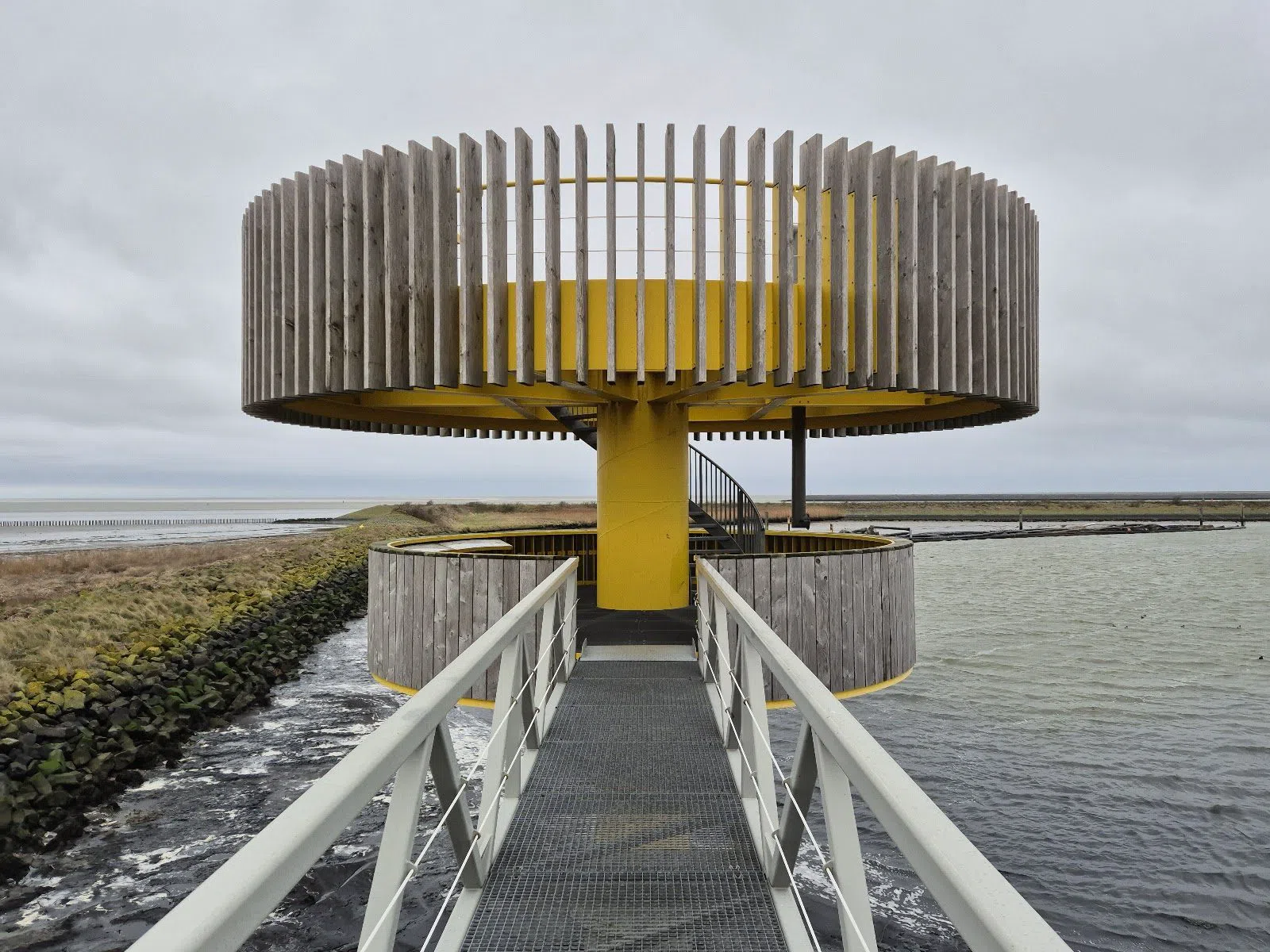
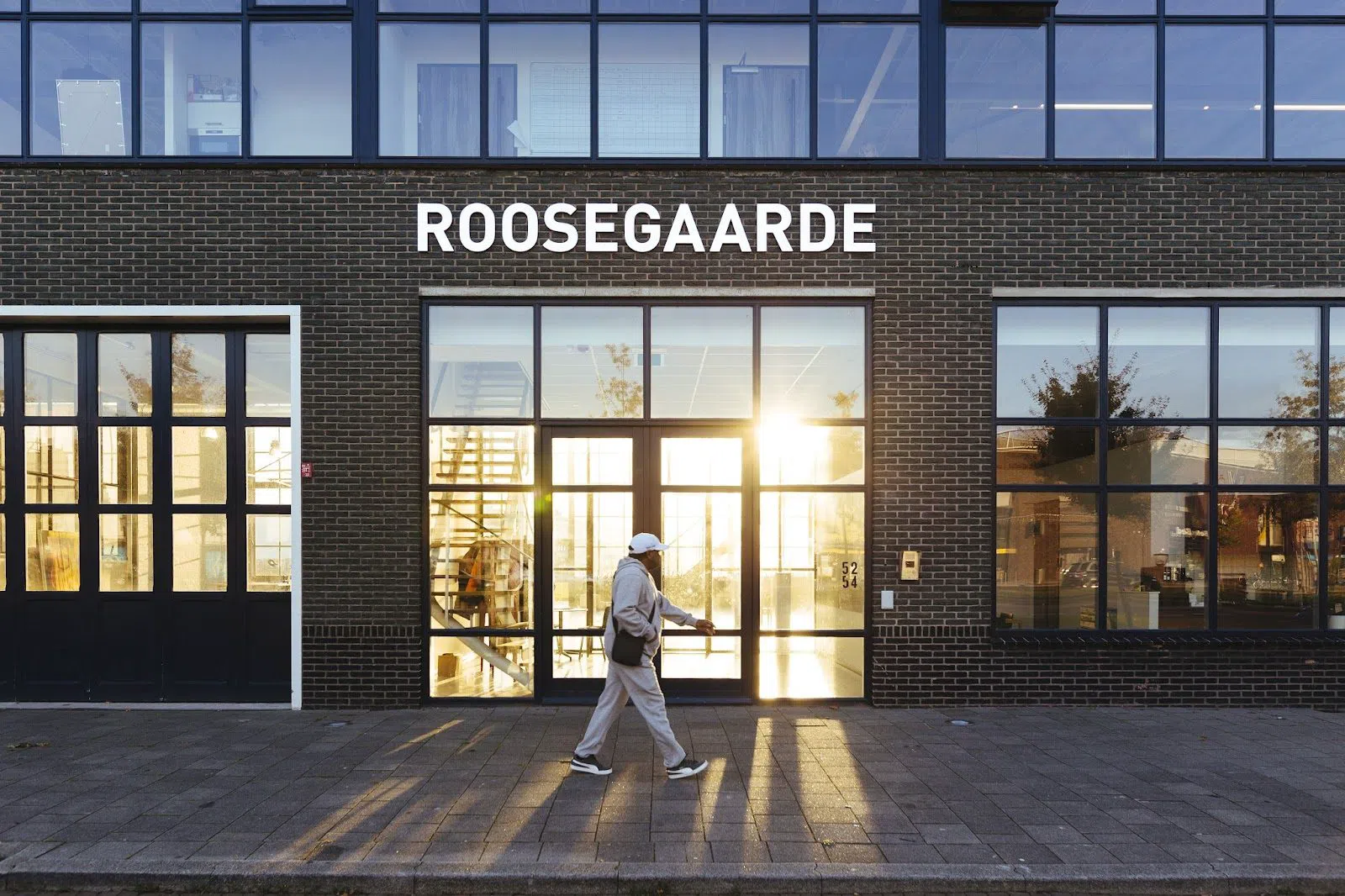
Gates of Light (Studio Roosegaarde), also at the Den Oever end, is the most photogenic thing on the whole dike and uses no electricity at all. The gates are treated with a retro-reflective finish so they ignite only in your own headlights. There is no venue to enter and nothing to book, and in daylight they are simply grey concrete. If you want them, you need to be driving past in the dark, which is the best reason to plan your return leg after sunset rather than rushing home at five.
Lunch at the foot of the dike
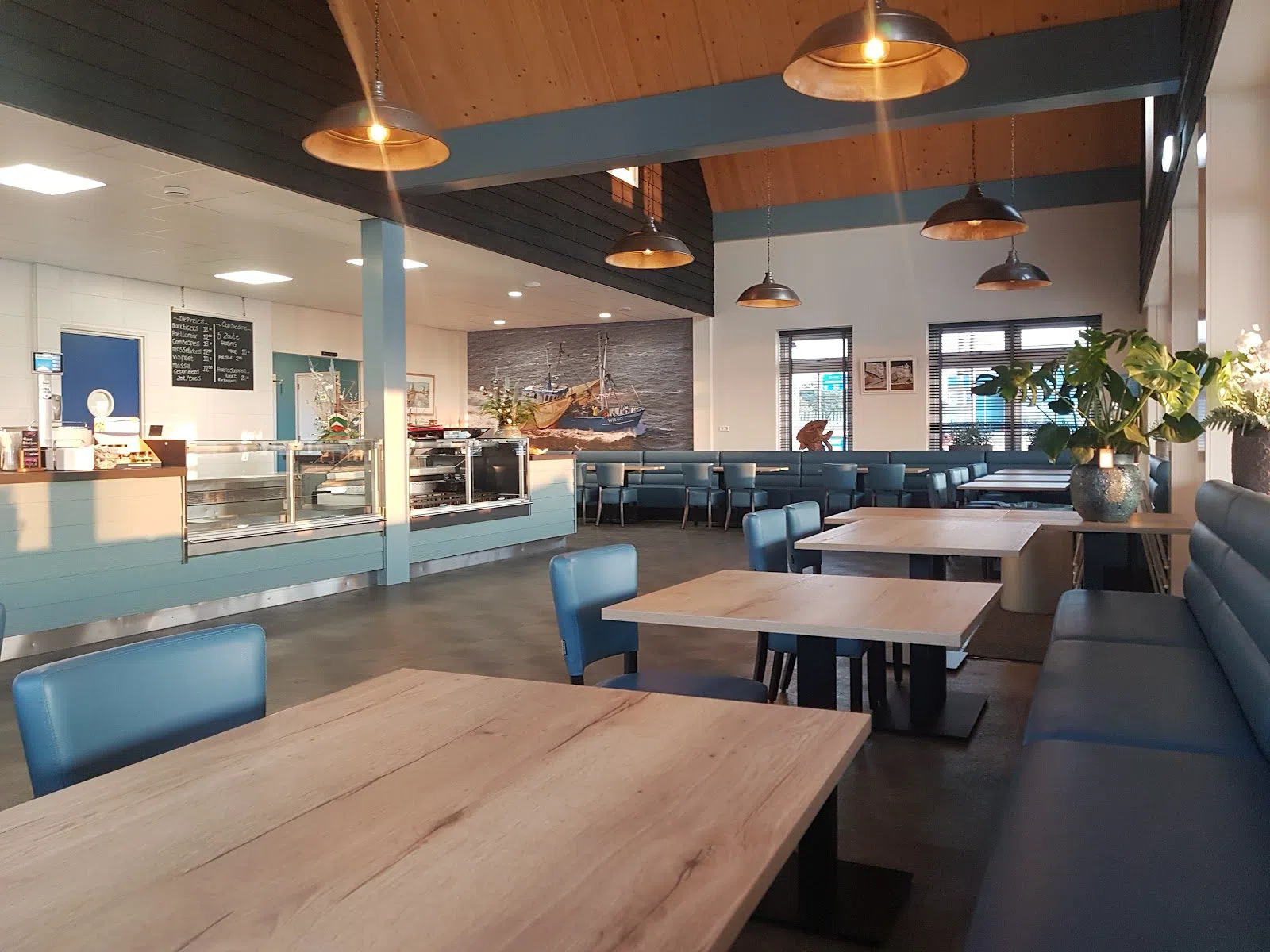
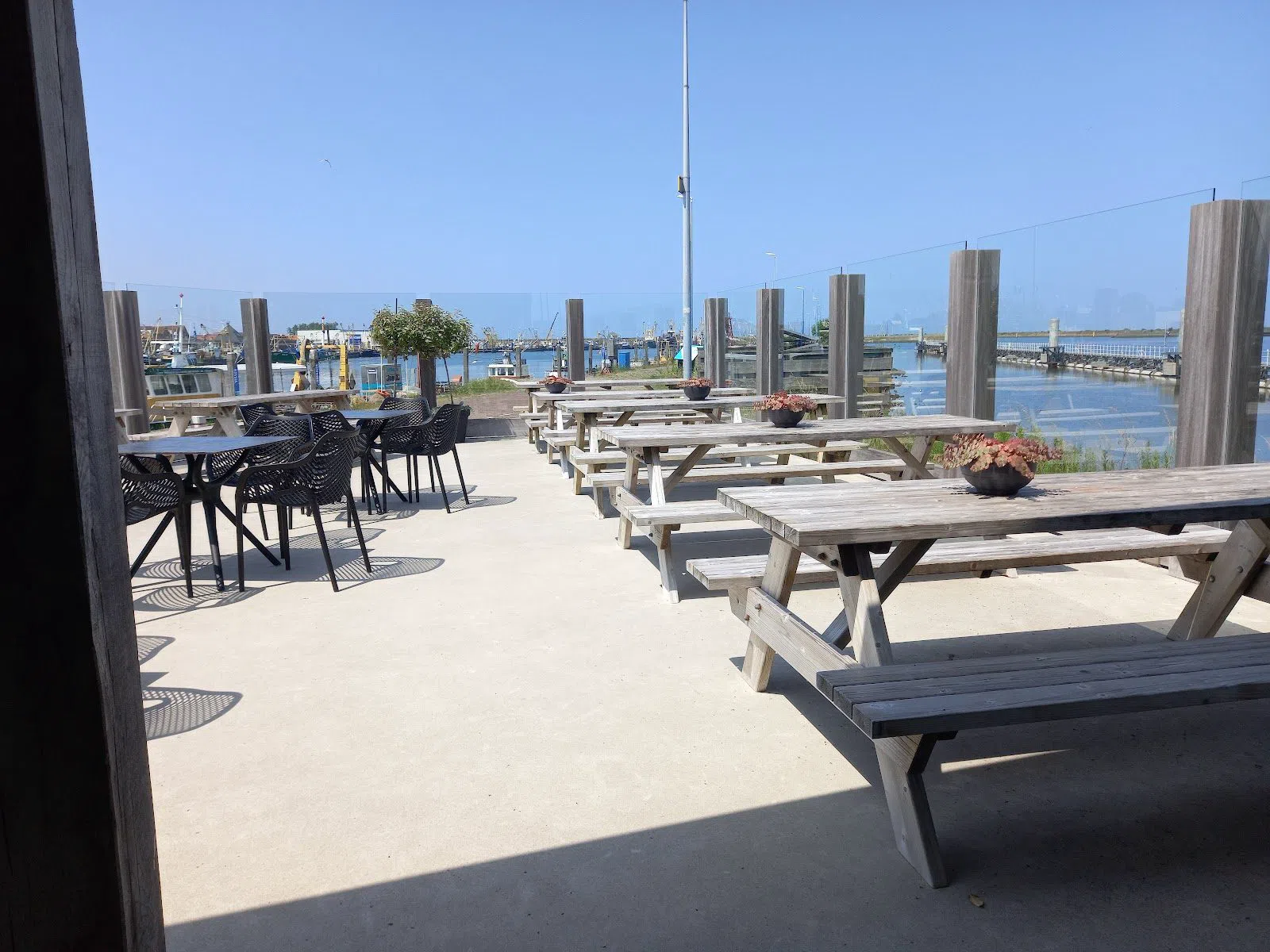
Vis van Havenzicht sits in Den Oever harbour, at the literal foot of the dike, and is the honest lunch here. It is a walk-in counter with a terrace, run by former fishermen, with fish landed daily by the Wieringer Viskoerier, open daily from 11:00. There is no formal group booking, but it absorbs a coach load quickly, and it is far better value than eating the same fish back in Amsterdam.
Viscentre 't Wad, also in Den Oever, is the blunter second option: a fishmonger that feeds you, dine-in or takeaway. Plates run around €16, sandwiches from €6, herring about €10.50 for four. It opens Wednesday and Thursday 11:00 to 18:30 and Friday to Sunday 11:00 to 19:00, and it is closed Monday and Tuesday, which catches people out. Call (0227) 51 04 05 ahead if you are more than four. Use it when the quayside terrace is mobbed.
Two hours on the water the dike holds back
SWRW seal tours leave from Oostkade in Den Oever and are the one activity that puts you on the water rather than above it: two hours out past the sluices to the seal banks and the spoonbill colonies. Tickets are €20 for adults, €15 for children aged 2 to 10, under 1 free, and they take cash only. There is no card machine to fall back on. Sailings run on a published handful of fixed dates with limited capacity, so this has to be planned around rather than dropped in on the day. Reserve ahead, and check the date list before you fix the rest of the itinerary.
The monument you cannot climb
This is the disappointment to get ahead of. The Monument Afsluitdijk — Wadden Sea side rest area (Monument Noord) is a free open-air lay-by with parking, roughly where the 1932 closure was made, and coaches use it as a comfort stop. No booking, no door policy. But the monument itself, its tower and the lunchroom are a closed construction site. The IJsselmeer-side parking has been shut since April 2022, and the restoration plus a new, larger restaurant are not due to finish until 2027. Take the photograph from the Wadden side, stretch your legs, and do not promise anyone in the car a climb up the tower.
Standing in the middle at Breezanddijk
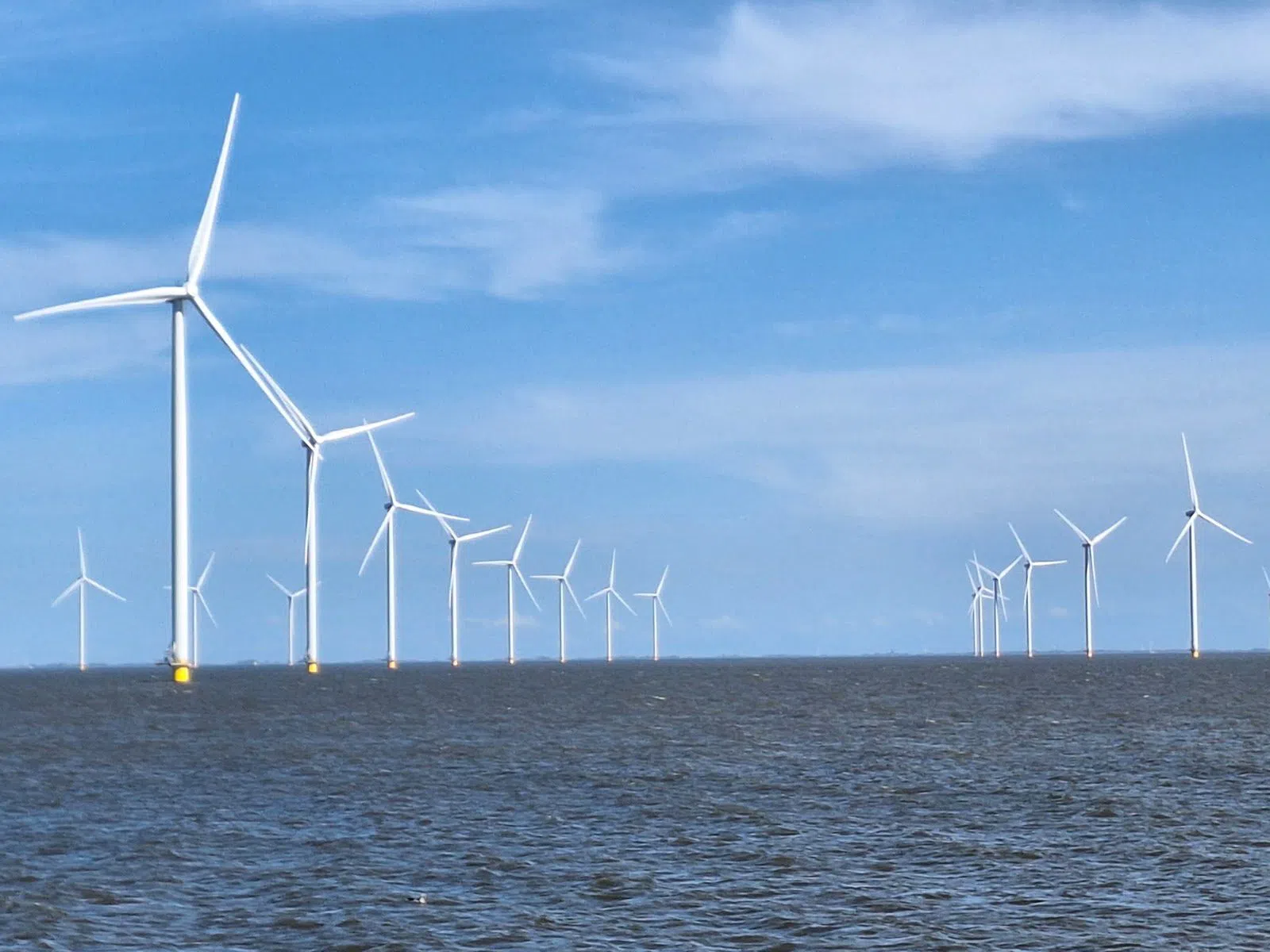
Breezanddijk viewpoint & Windpark Fryslân transformer station is the halfway pull-off, and the only place you can stand in the middle of the 32 kilometres with water in every direction. The view over the 89-turbine wind farm out on the IJsselmeer is the picture people come away with. The transformer station is not somewhere you walk into, but there is a phone-based virtual tour of it, which has the practical advantage that an entire busload can do it simultaneously instead of filing through a door. The north, Wadden-facing side has long been fenced off as a contractor's compound, so keep to the marked area rather than hunting for a better angle.
The Frisian end and its two museums
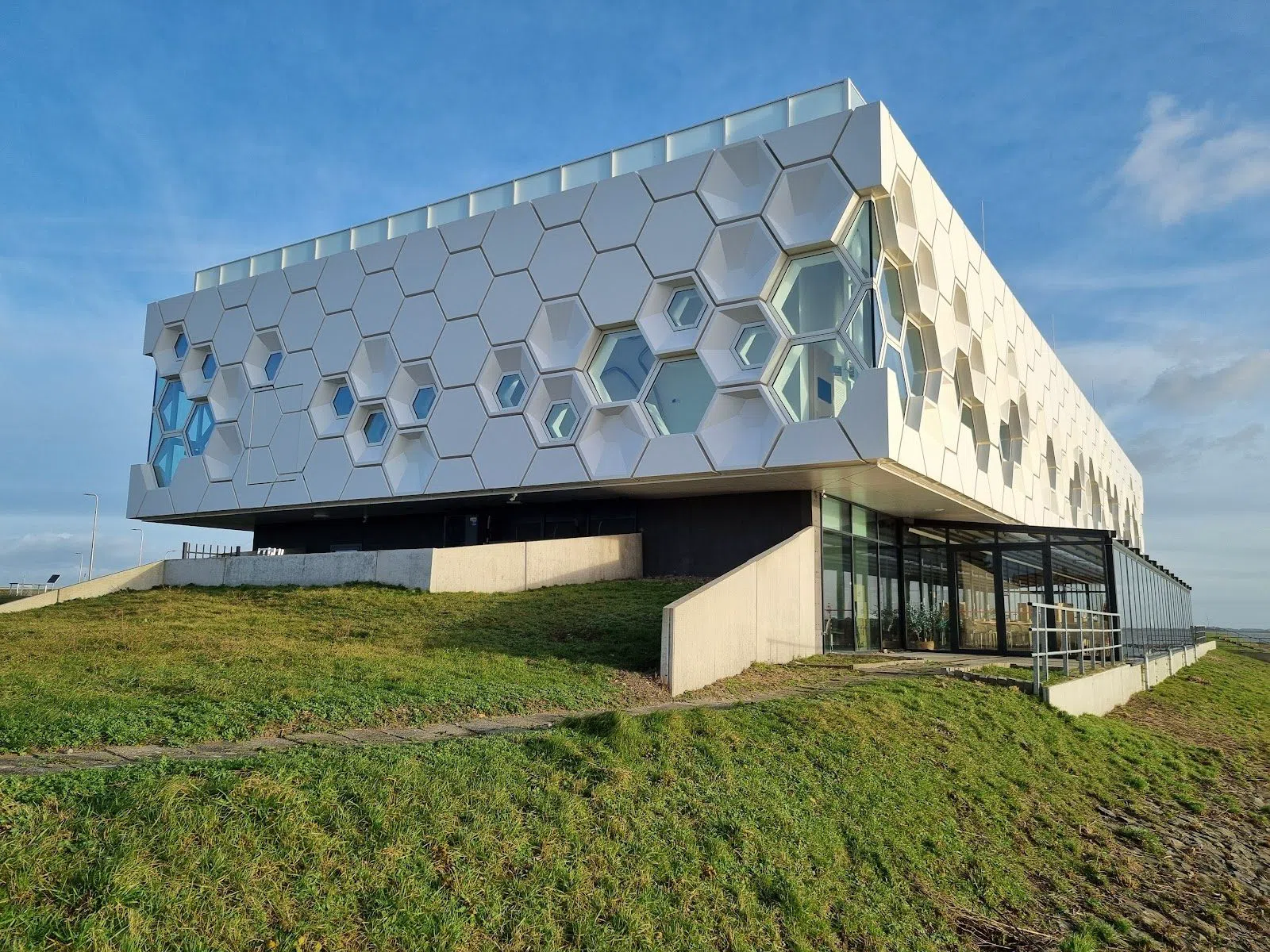
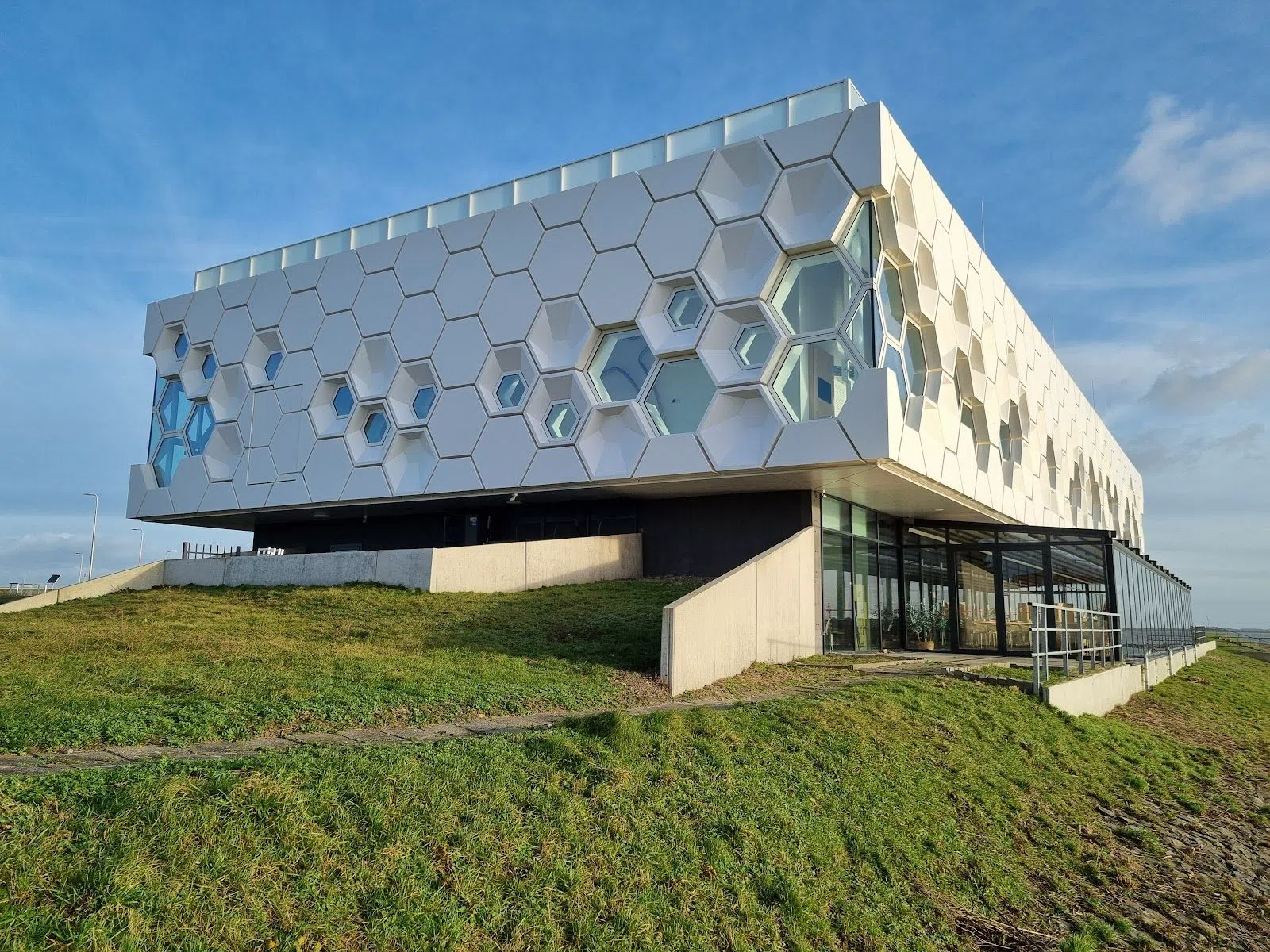
Afsluitdijk Wadden Center, at Kornwerderzand on the eastern end, is the only proper indoor attraction on the dike and the anchor of any stop here. Entry is about €5 for adults (12 and over), €3 for children 4 to 12, under 3 free. The exhibition covers the 1932 closure, the fish migration river and the current reinforcement, and Restaurant SKOM and a rooftop viewpoint are in the same building, which makes it the natural place to eat if you did not stop for fish at the other end. There is coach parking on site, it is fully wheelchair accessible, and groups and business bookings go through a dedicated line ([email protected], +31 515 238 208), with meeting rooms available. Allow 45 minutes to an hour. It is closed Monday and Tuesday, which is the most common way to waste this drive.
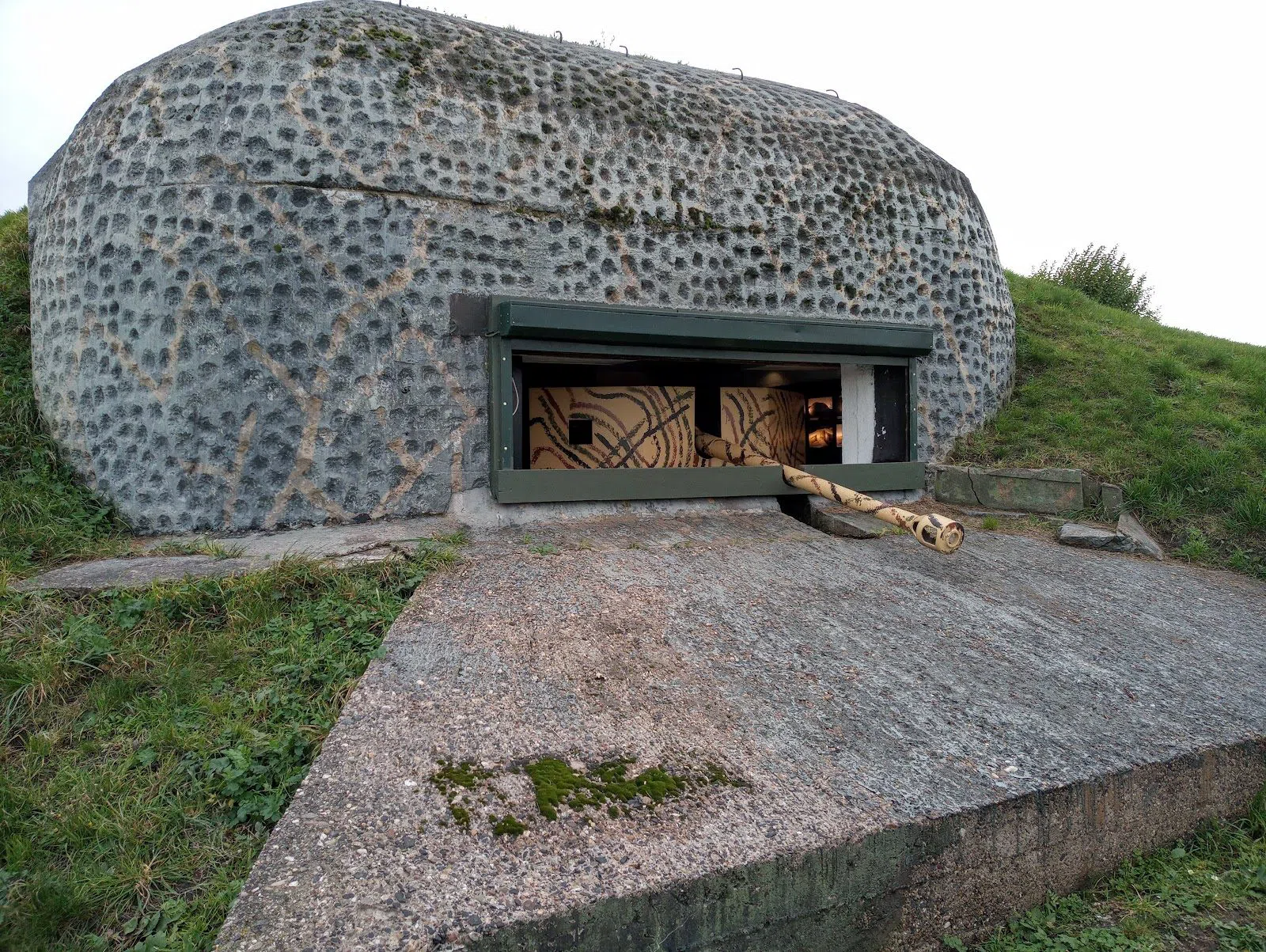
Kazemattenmuseum Kornwerderzand, a short hop away at the same end, is the historical payoff. These are the casemates where 225 Dutch soldiers held 17,000 German troops in May 1940, the one place the advance was stopped. Admission is a few euros. It opens Wednesday to Saturday 10:00 to 17:00 and Sunday 11:00 to 17:00, with the ticket desk shutting at 16:30, so a late arrival from the west can miss it by minutes. Groups, guided group visits and school or study programmes are taken, but book ahead on 0517-579453 or [email protected]. It is concrete, cold and unpolished, which is the point.
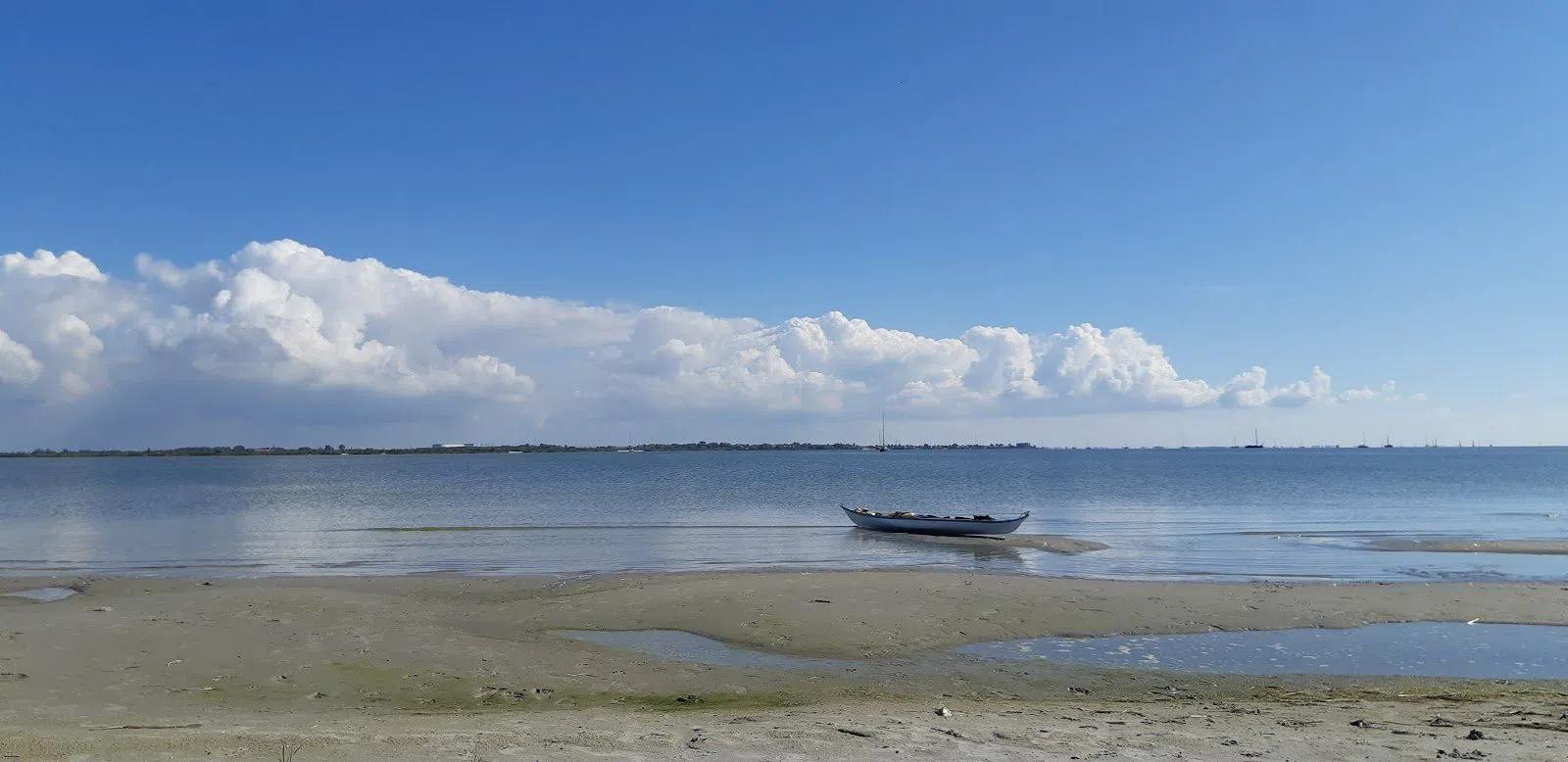
Kitesurfspot Kornwerderzand is on the water at the same headland, an open public spot with no door policy, reliably windy, where schools and groups rig up. It is legally kitable only from 1 May to 1 October. Parking is mainly the Wadden Center car park, with only a few spaces down at the water. If your group wants to watch rather than ride it is a decent twenty minutes in season; outside those dates there is nothing here but wind.
If you carry on instead of turning back
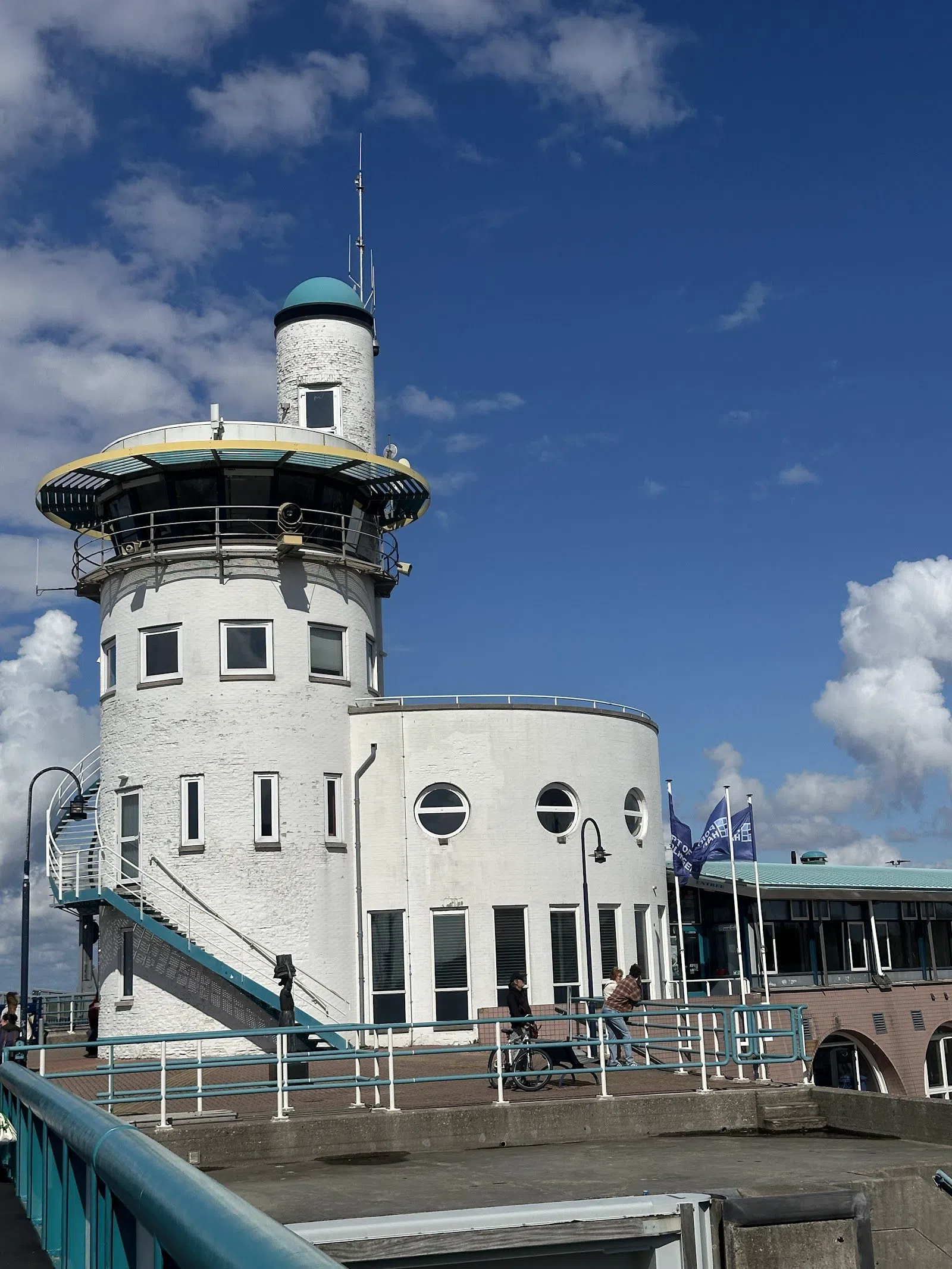
Harlingen historic harbour is the nearest real seaport to the Frisian end of the dike, an open town rather than a venue, free to wander, walkable for a group. Sailing charters, museums and Wadden ferries all run from here and can be booked for parties, and it is a cruise call in its own right. It is the natural pairing if your run continues east rather than doubling back on the same 32 kilometres, and it turns a half-day drive into a full one.
The long day that bolts other stops on
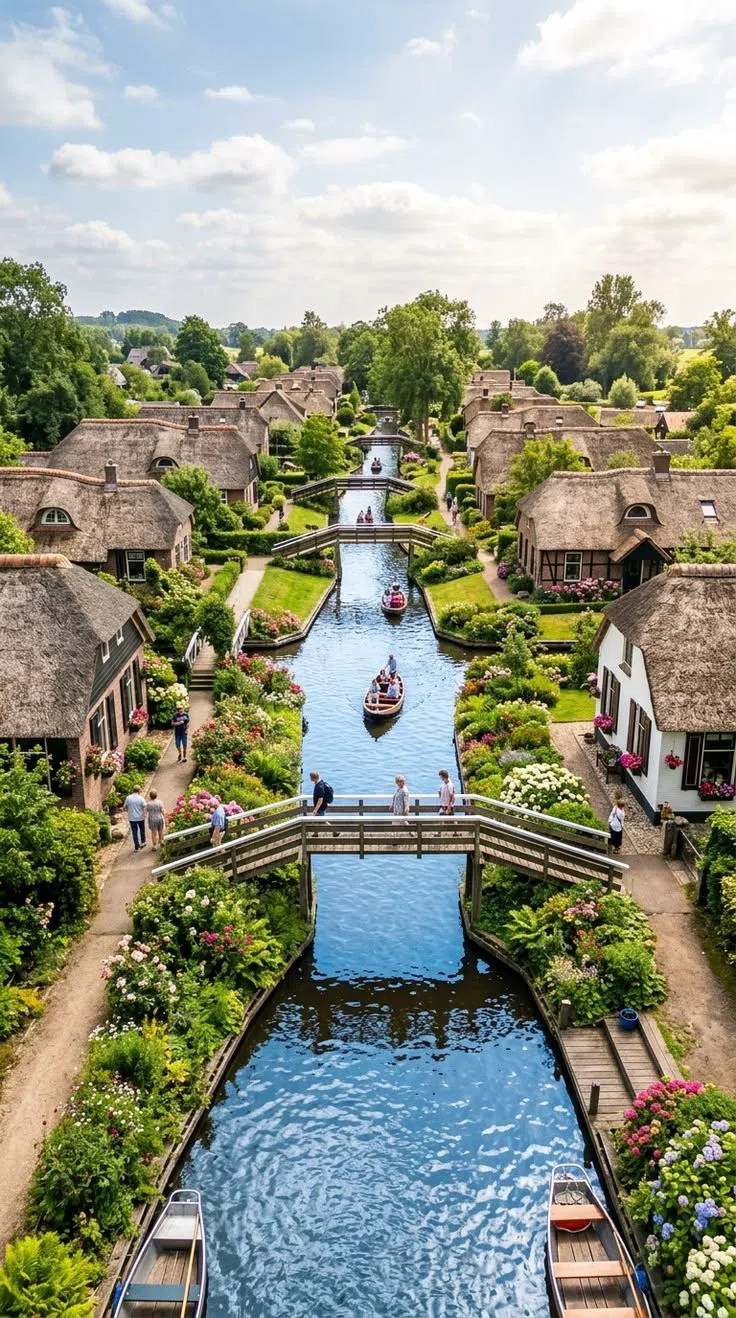
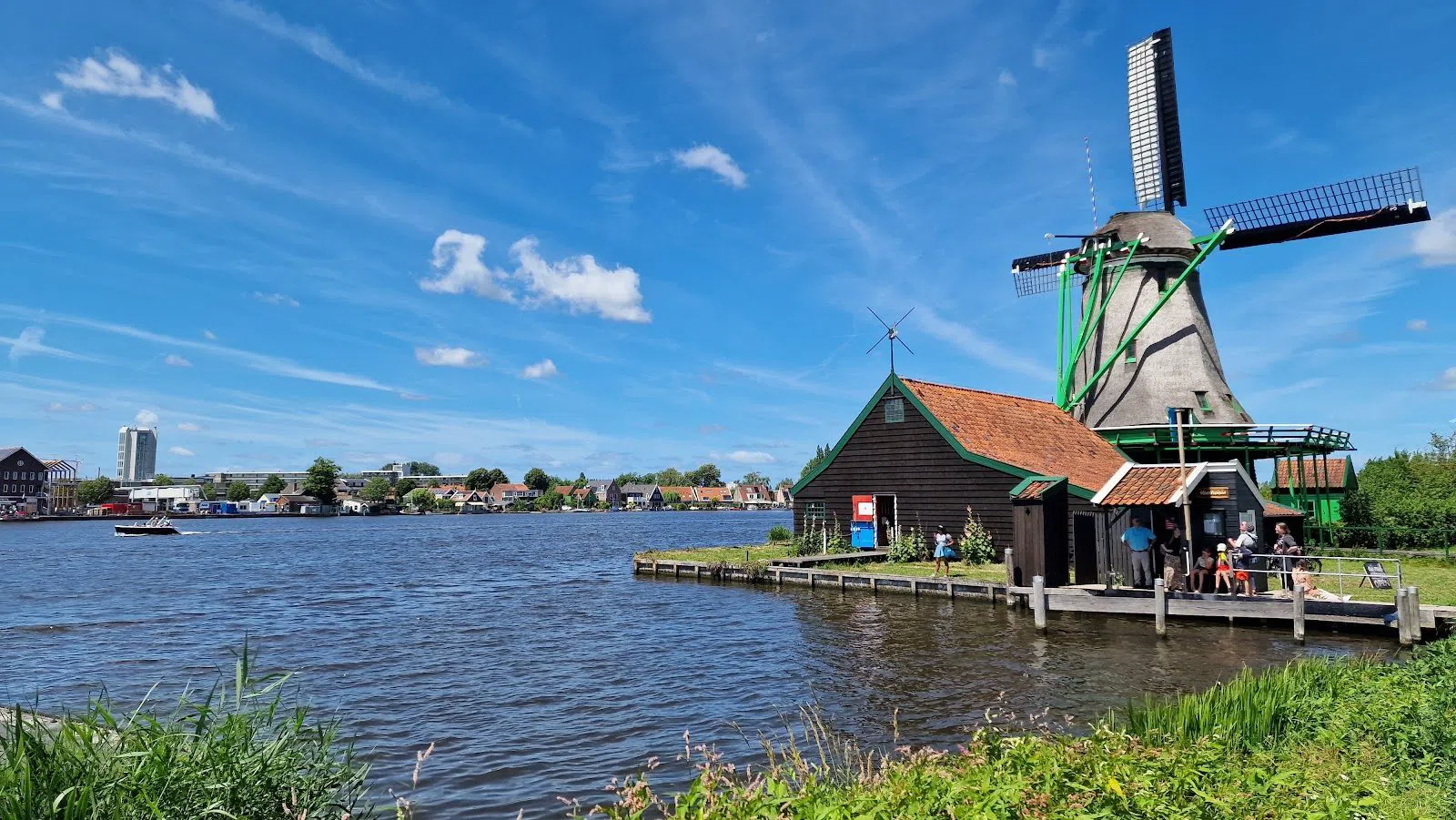
Most organised versions of this trip attach two other places, and both have rules worth knowing before you commit. Zaanse Schans, the open-air heritage village, now charges €17.50 for entry covering the museum and windmill interiors, and since spring 2026 tickets must be pre-booked online, a change made to manage roughly 2.6 million annual visitors. Groups in particular have to be organised in advance, and you should check exactly what your day includes rather than assuming the mills are still free to walk into. Giethoorn, the car-free canal village, is the leg most damaged by timing: around 80% of visitors crowd the same central stretch, so arrive before 10:00 or after 16:00, check giethoorn.live for live crowd levels, and walk into Giethoorn North or South when the middle jams. Boat rental and canal cruises take groups but need booking ahead in high season and at weekends.
If you would rather not drive it, guided full-day versions of this route run seven days a week and start from around 151 USD per person. The most-reviewed one holds 4.9 out of 5 from 1,960 reviews, and there are 2,001 traveller reviews across the bookable tours for this stretch of dike, so it is a well-worn route.
Tickets, queues and what booking ahead buys
Most of the Afsluitdijk is free, outdoors and unstaffed. There are no queues at the viewpoints, no door policy anywhere, and no ticket to buy for the drive itself. The paid items are small: a few euros at the Wadden Center, a few more at the casemates. Nothing here rewards buying a skip-the-line anything.
Booking ahead buys you a seat on a seal sailing, which runs on fixed dates and sells its limited capacity. It buys entry at Zaanse Schans, which is now online-only in advance. And it buys a table, or at least a warning, at the fish restaurants when you are a group. Everything else you can turn up to. If you take a guided day instead, what you are buying is the driving, the parking and the sequencing, and what you give up is the dusk return, and with it the Gates of Light.
Best time to go
Go Wednesday to Saturday. Monday and Tuesday close both the Wadden Center and Viscentre 't Wad, and the casemates museum opens only Wednesday to Sunday with its desk shutting at 16:30, so a midweek-to-Saturday run is the only one where everything indoors is open.
Within the day, run the indoor things first and the open-air stops afterwards. Leave Amsterdam by 08:30, do the Den Oever viewpoint and an early lunch, cross for the Wadden Center and the casemates in the early afternoon while the desks are staffed, then work back westward through Breezanddijk and the monument lay-by as the light drops, and drive the Gates of Light last, in the dark. That order does more for this trip than anything else you can change.
It is a year-round drive, because the landscape is the attraction and it does not close. Winter is the best time for the light artwork, since dusk arrives in the late afternoon and you do not have to wait around for it, but the wind on the exposed viewpoints is serious and a real coat matters more than an umbrella, which will invert. Summer brings the kitesurfers between 1 May and 1 October, and the only meaningful crowding on this itinerary is at the partner villages rather than on the dike itself.
Is it worth it
Yes, with a clear condition: you have to be the kind of traveller who finds a sluice gate interesting. This is a landscape and engineering day, not a pretty-village day. What you get is the strange flatness of driving across open water, a free viewpoint that explains the hydrology properly, a small good museum about a battle that actually held, a fish lunch from people who used to catch it, and one piece of public art that only exists in your headlights.
It suits drivers, engineers, birdwatchers, photographers and anyone who has already done the canal-and-museum circuit in town. It suits couples on a slow day out and it suits coach groups, because nearly every stop is free, outdoors and step-free. It does not suit anyone expecting a monument to climb, a café every ten kilometres, or a picturesque old town on the dike itself, of which there is none. And if the weather is flat grey with no wind and you have no interest in water management, the honest answer is that a 32-kilometre embankment in drizzle is a 32-kilometre embankment in drizzle.
Practical notes
Getting there. Roughly 80 kilometres and about an hour from Amsterdam to the western foot, on the A7. A regional bus crosses the dike and stops at the eastern end, but it runs to its own timetable and will not fit the museum hours plus the after-dark light artwork in one day, so check it before relying on it. No train crosses. Allow six to seven hours door to door for the dike alone, or a full ten-hour day if you add the heritage village and the canal village.
Money. Budget roughly €5 per adult for the Wadden Center, a few euros for the casemates, €20 for a seal sailing, €17.50 if you add Zaanse Schans, and €15 to €20 a head for fish lunch. Carry cash: the seal tours are cash only, and it is the one place on this route where a card will leave you standing on the quay.
Timing and rules. Wednesday to Saturday; museum desks close well before the museums do; the monument tower and lunchroom stay a closed site until the 2027 completion; keep to marked areas at Breezanddijk, where the Wadden side is a contractor's compound. Everything else is open road.
Where to sleep. Most people do this as a day trip and come back the same evening, which is the right call. Start from the city and pick your base with the Amsterdam hotel search, ideally somewhere with easy motorway access if you are hiring a car for the day.
Before you go
How long does the Afsluitdijk take, and how far is it from Amsterdam?
Amsterdam to the western foot of the dike is about 80 kilometres, roughly an hour, then about 25 minutes to cross the 32 kilometres without stopping. Realistically you want six to seven hours door to door to include the viewpoints, one museum and lunch, or a full ten-hour day if you add other stops on the way back.
Can you climb the Afsluitdijk monument tower?
No. The monument, its tower and the lunchroom are a closed construction site, and the IJsselmeer-side parking has been shut since April 2022. Restoration and a new, larger restaurant are not due to finish until 2027. Only the Wadden Sea side rest area is open: free, with parking, and the place you take the photograph.
Which day should I avoid?
Monday and Tuesday. The Afsluitdijk Wadden Center is closed both days and so is Viscentre 't Wad, and the Kazemattenmuseum opens only Wednesday to Sunday with its ticket desk shutting at 16:30. Wednesday to Saturday is the only window where everything indoors is reliably open.
Are the Gates of Light worth a detour?
Only after dark. The gates have no lighting of their own: a reflective finish picks up your headlights, so in daylight they are plain concrete. There is nothing to enter and nothing to book, and it is free. Plan your return leg through them in the dark and you get the best photograph of the day.
Is it better to drive yourself or take a guided day?
Drive yourself if you want the dusk return and the light artwork, and if you are happy with a full day behind the wheel. A guided option runs seven days a week from around 151 USD per person, and it takes the driving, parking and sequencing off you, but most of those days run in daylight and finish before the gates are worth seeing.