The Amsterdam issue
Amsterdam in September for Milder Days and Shorter Queues
The crowds thin, the light goes low and gold, and the terraces still work. Plan around the month's real hours, prices and booking traps.

By Robin HaasThe slow way through Amsterdam's canals, courtyards and back streets
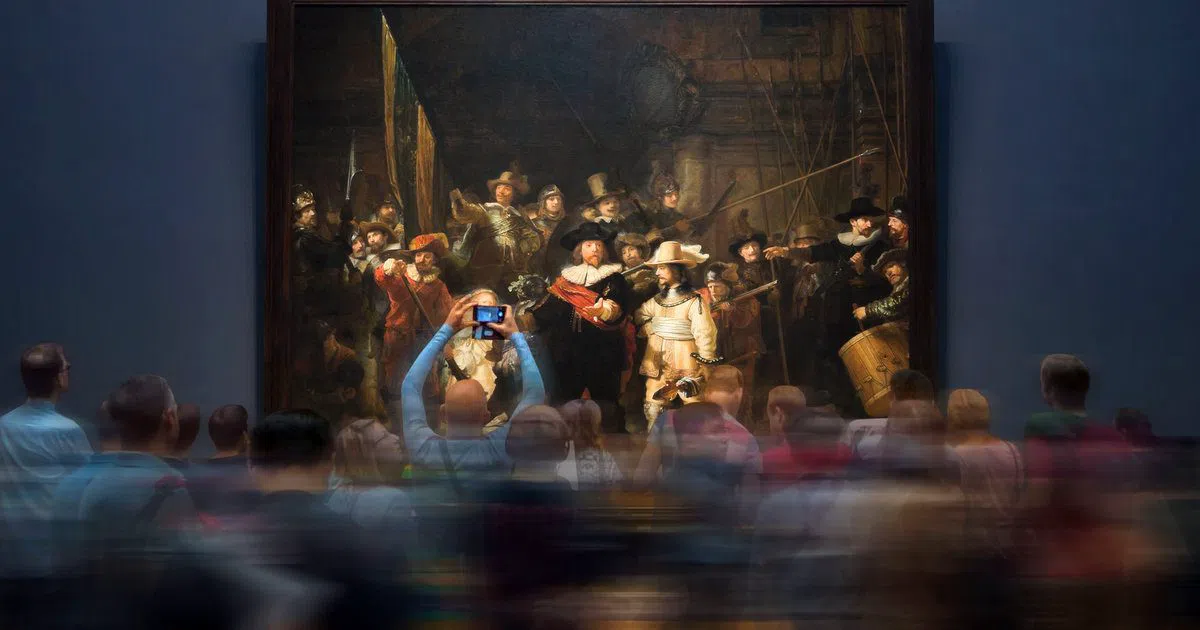
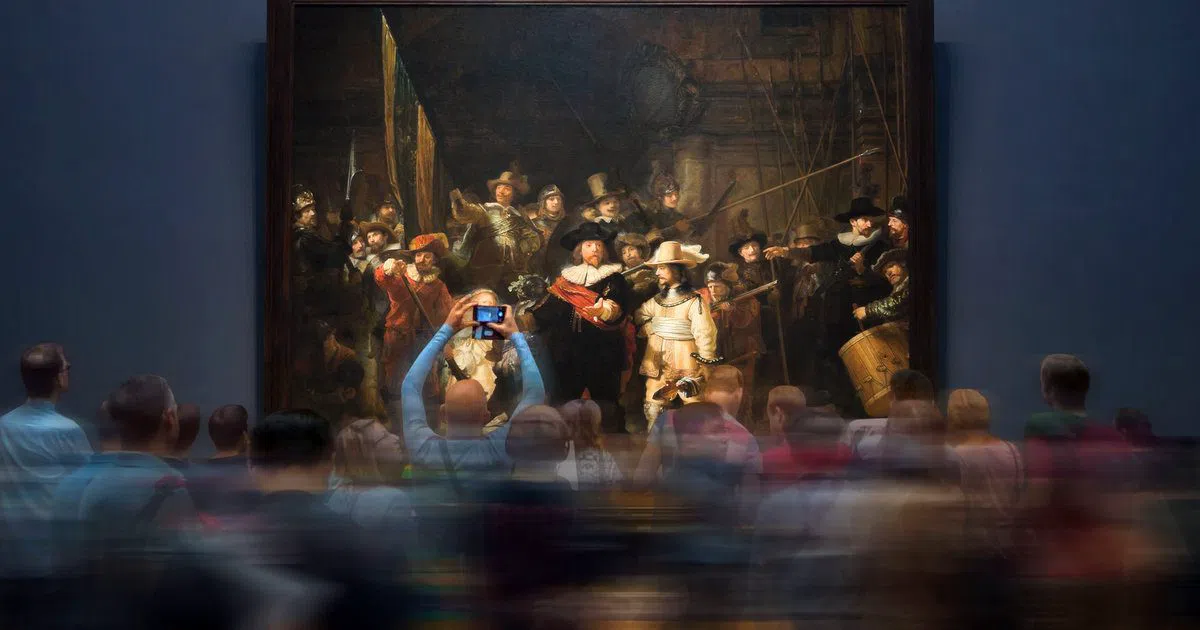
September in Amsterdam smells of wet brick and ferry diesel, and the line outside the Rijksmuseum ends at the corner rather than curling round the block. Daytime highs sit in the high teens, the light goes low and gold by six, and the rain arrives in short bursts you can wait out with a beer instead of the settled grey that comes later in the year. The city stops performing for the summer and gets on with itself.
What the month actually gives you
The crowd thins in stages. The first week still carries a summer tail: late holidaymakers, full terraces, boats out until dark. By the second week the school-holiday families have gone and the queue for a timed slot is one a normal person will stand in. Expect highs in the high teens, nights near ten degrees, and rain on roughly every other day, usually for twenty minutes rather than all afternoon. Bring a shell you can put on and take off. Skip the umbrella; the wind coming off the IJ will fold it by Wednesday.
Daylight matters more than temperature when you are planning. Sunset slides from around half past eight at the start of the month to about half past seven by the end, so an outdoor evening that works on the 3rd is a dark one on the 28th. Front-load whatever needs light (the rooftop, the canoe, the west-facing terrace) into the first fortnight if your dates allow.
Room rates soften after the summer peak, though not in a straight line: September is convention season, and one large trade fair can lift prices across the whole city for three nights. Price a couple of date options in the Amsterdam hotel search before you commit, and check the nights either side of any spike. Staying outside the canal belt costs less and, with trams every few minutes, costs you almost nothing in time.
Plan your Amsterdam trip
Live prices from our booking partners.
Free cancellation on many rooms. We may earn a commission when you book.
Booking the three museums everyone wants
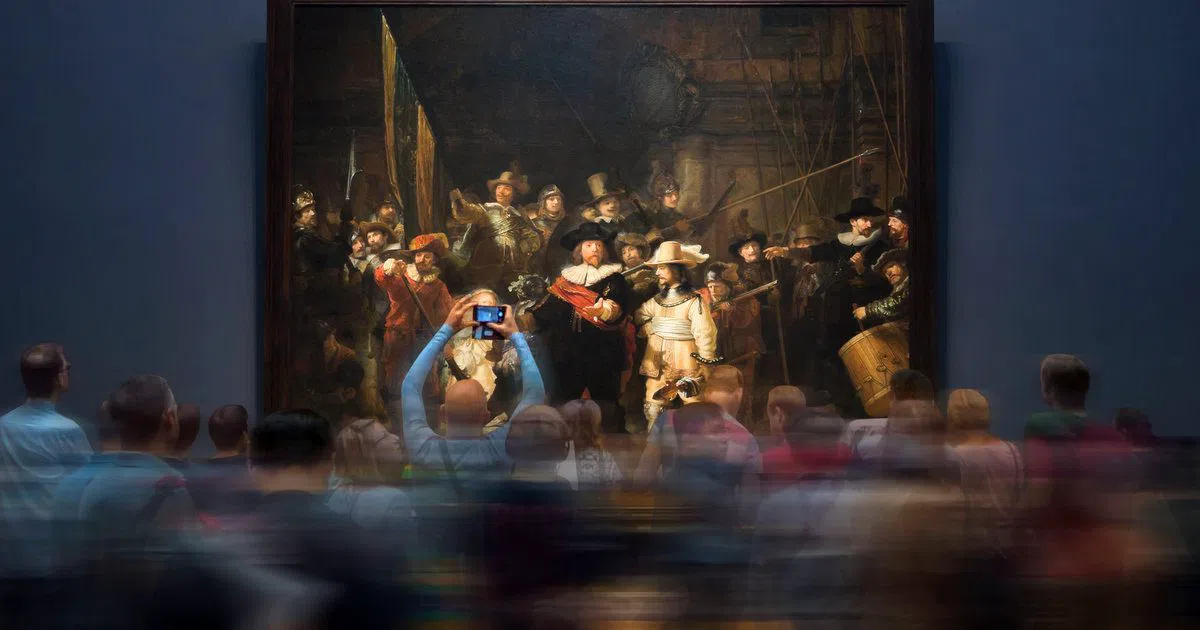
Rijksmuseum (Museumplein, in the south) sells timed online tickets only. Nothing is sold at the door, and turning up hopefully wastes a morning. Adult entry is about €25 and under-18s are free. Book the 09:00 slot on a weekday and you get the Gallery of Honour close to empty for twenty minutes. The 11:00 to 15:00 window still packs out in September even with the summer over. Groups of ten or more go through the group desk, and larger parties are split into sub-groups with a whisper set; guided tours are bookable and worth it if nobody in your party knows what they are looking at.
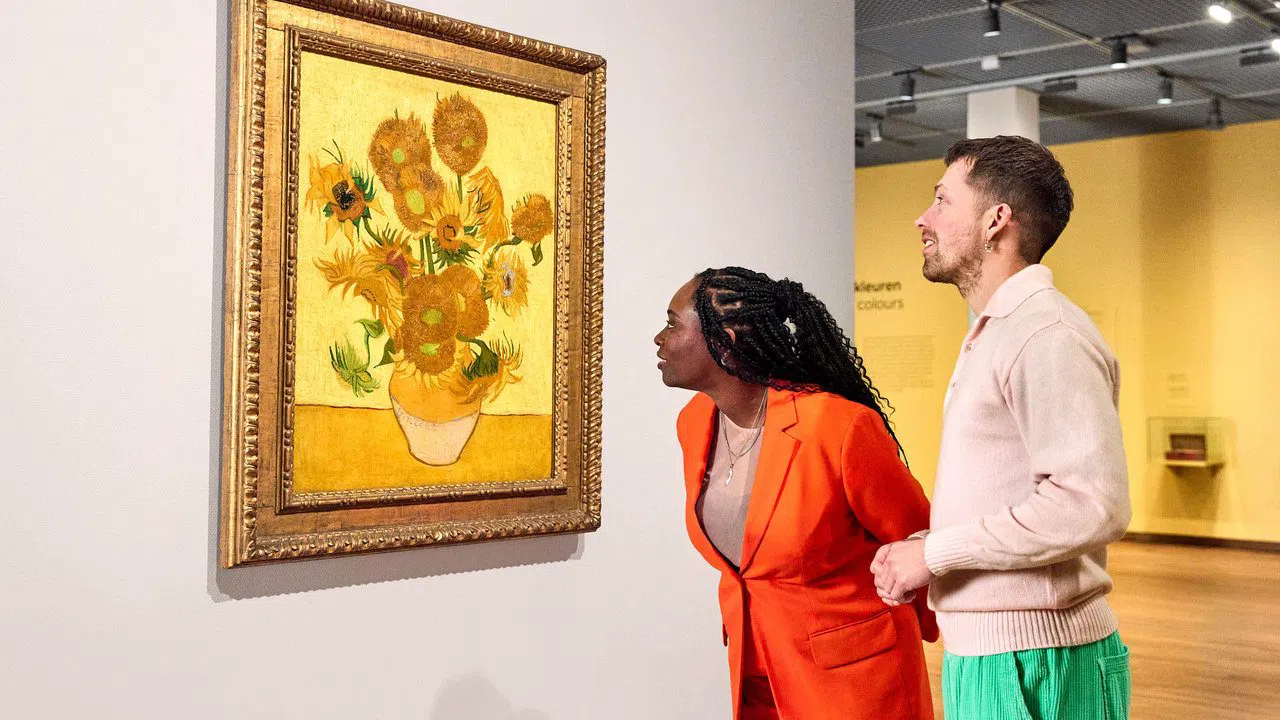
Van Gogh Museum (Museumplein, two minutes' walk) is about €22 to €25 for adults, free under 18, and timed-entry only. It sells out days ahead and September is no exception. The calmest slots are Friday evenings, when the museum stays open to 21:00. One exception: it does not run late on 25 September 2026, so if that is your Friday, plan a morning instead. Groups book through the dedicated group route rather than buying a fistful of individual tickets, because individual slots cap party size and you will end up scattered across three entry times.
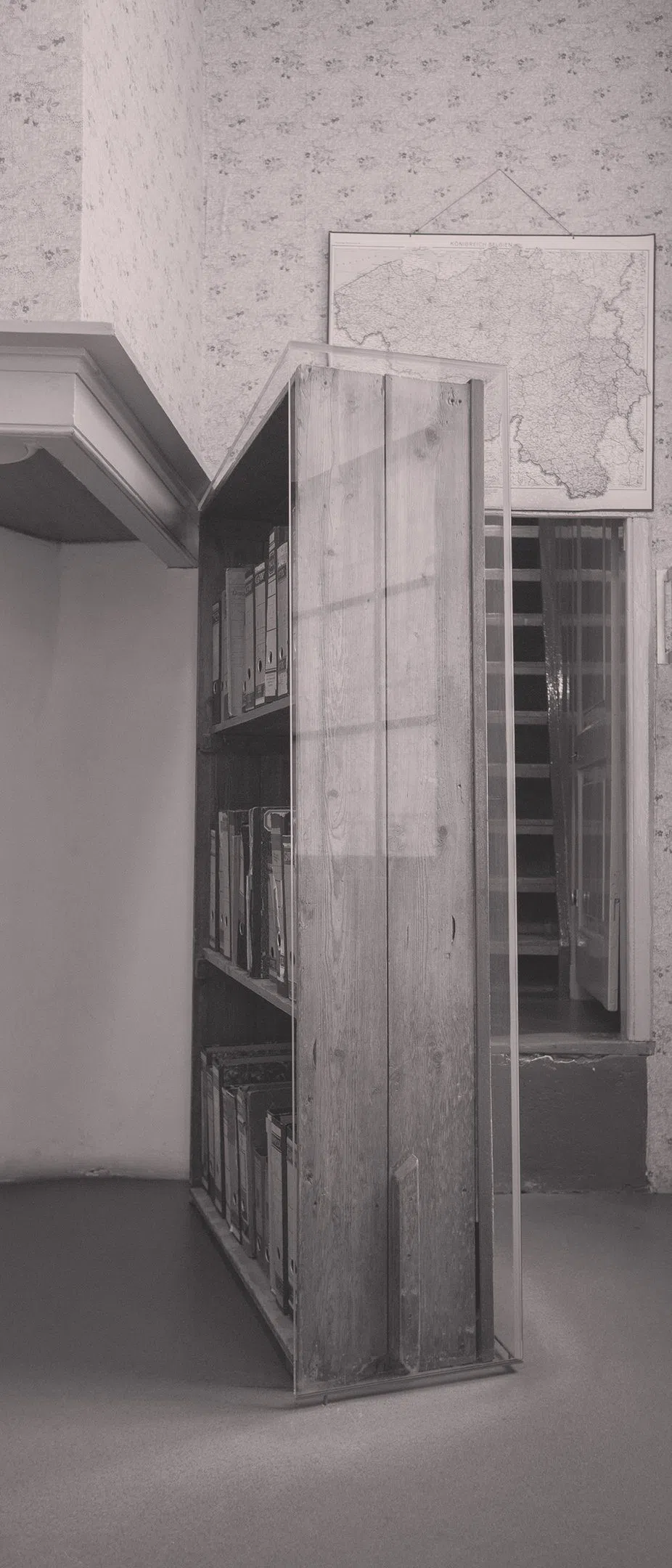
Anne Frank House (western canal ring, on the Prinsengracht) is the one that catches people out. Tickets are €16.50 for adults including the booking fee and €7 for ages 10 to 17, sold only at annefrank.org. New dates are released on Tuesdays at 10:00 CET for the day exactly six weeks later, with a smaller same-day drop at 09:00. Midday slots go in minutes. Nothing is sold at the door and no city pass gets you in. It is also a poor fit for groups: there are no group sales to the public, the staircases are single-file, and Monday to Thursday mornings are held for school parties. Two people who can be online at 10:00 on the right Tuesday will get in; a party of nine will not, and should not build the day around it.
Small rooms and warm glasshouses
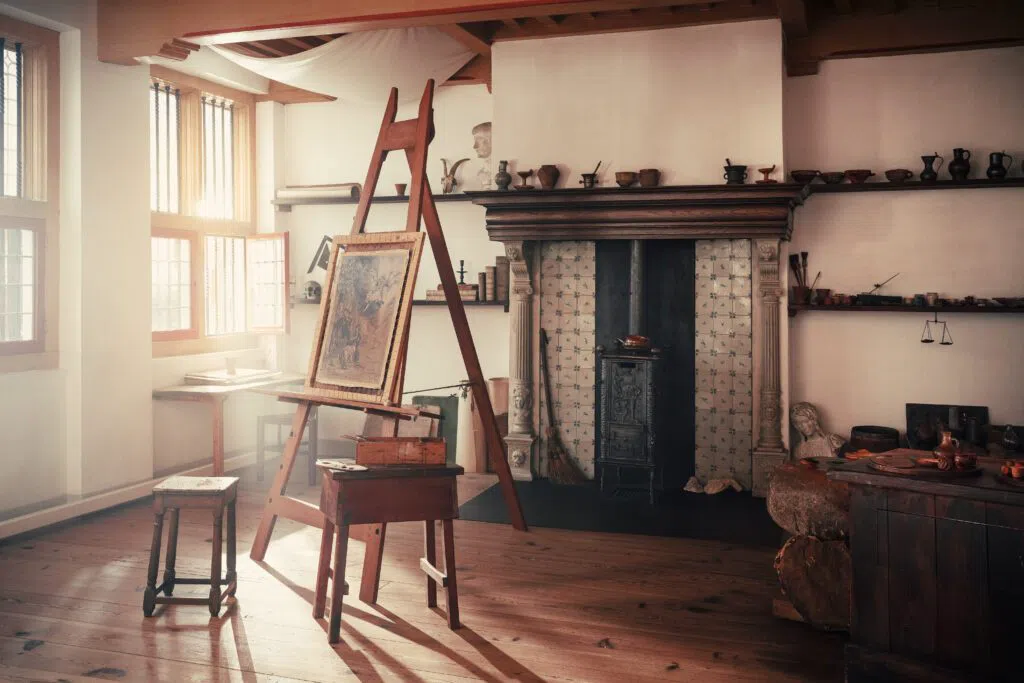
Rembrandt House Museum (Jodenbuurt, by Waterlooplein) is around €20 and reopened in 2023 with roughly 30% more space after its renovation. It takes small groups, but the house is compact and the stairs are tight, so bigger parties are timed in waves. Say so when you book. The etching demonstrations run through the day and are the reason to come: watching a plate inked and pulled tells you more about how Rembrandt earned a living than any wall text. Timing is a real choice this month. Earlier in September you get the house and the demonstrations at their quietest; from 25 September the 'Experimentation' show opens, which means more to see and more people seeing it.
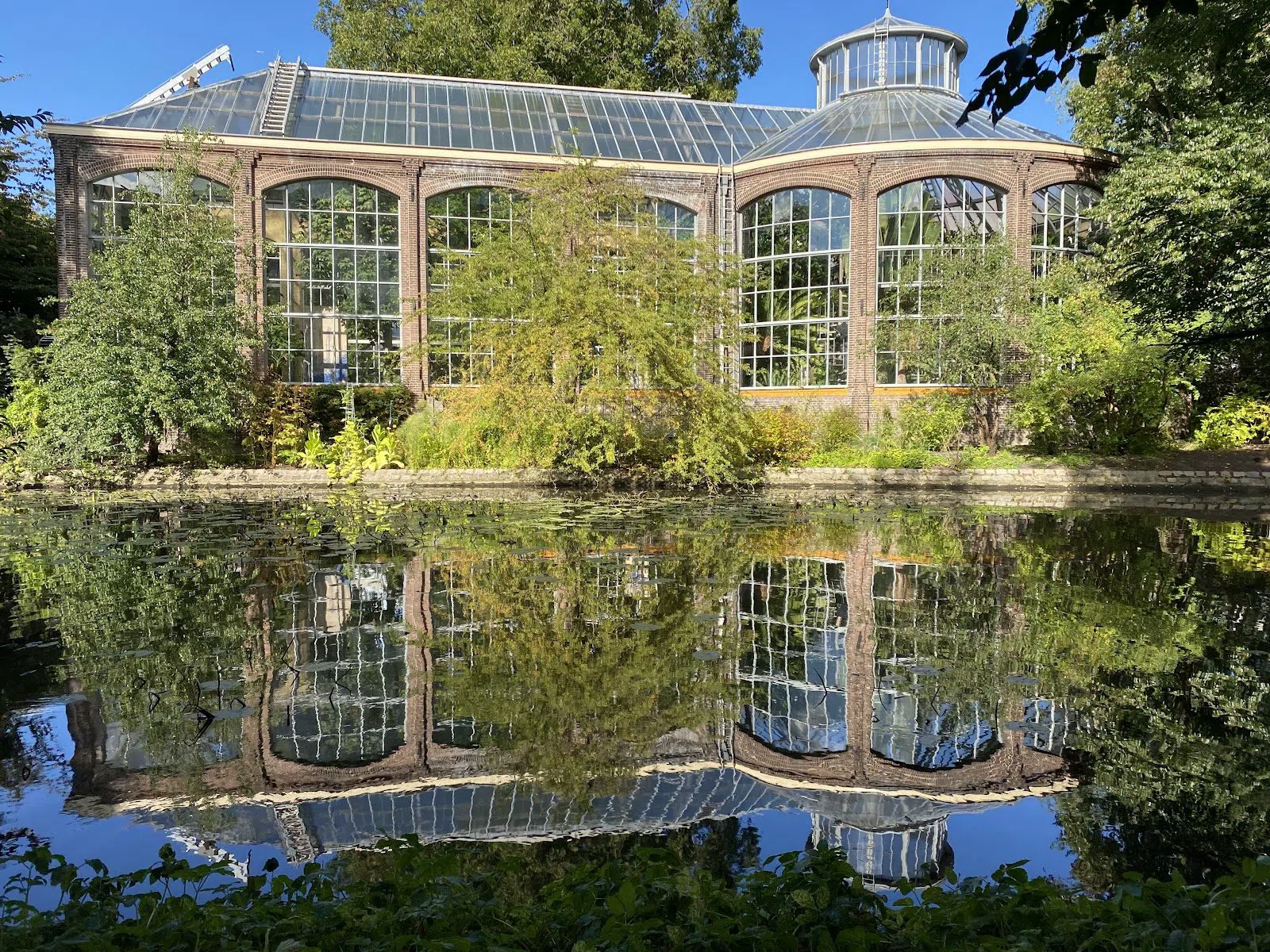
Hortus Botanicus Amsterdam (Plantage, ten minutes' walk east) is €12.50 for adults and €6.50 for ages 5 to 14, open daily 10:00 to 17:00. The heated glasshouses make it one of the few green spaces in the city that works in bad weather, which is the September problem it solves: you commit to an outdoor afternoon, the sky closes in, and you still have somewhere warm and quiet to go. It takes groups with advance booking and runs guided tours, but the site is small, so a party of twenty should split and stagger.
Across the water to Noord
The ferries behind Centraal are free, run around the clock and take bikes. On a clear September day they are the best two minutes of transport in the city.
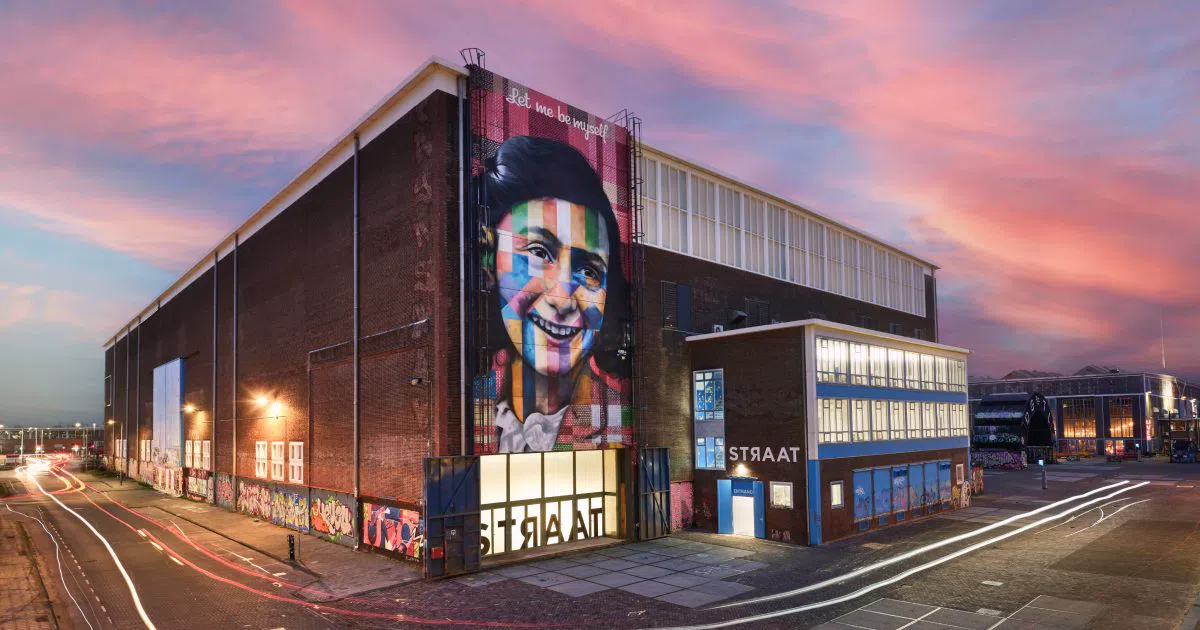
STRAAT Museum (NDSM, Noord) is €19.50, housed in a former shipbuilding warehouse. It is the best wet-weather hour in the city and completely group-proof: huge floorplate, group tickets, bookable guided tours, no door policy to worry about. Hours are Tuesday to Sunday, 10:00 to 17:00, Mondays from 12:00 only, plus a late opening until 21:00 on the first Friday of the month.
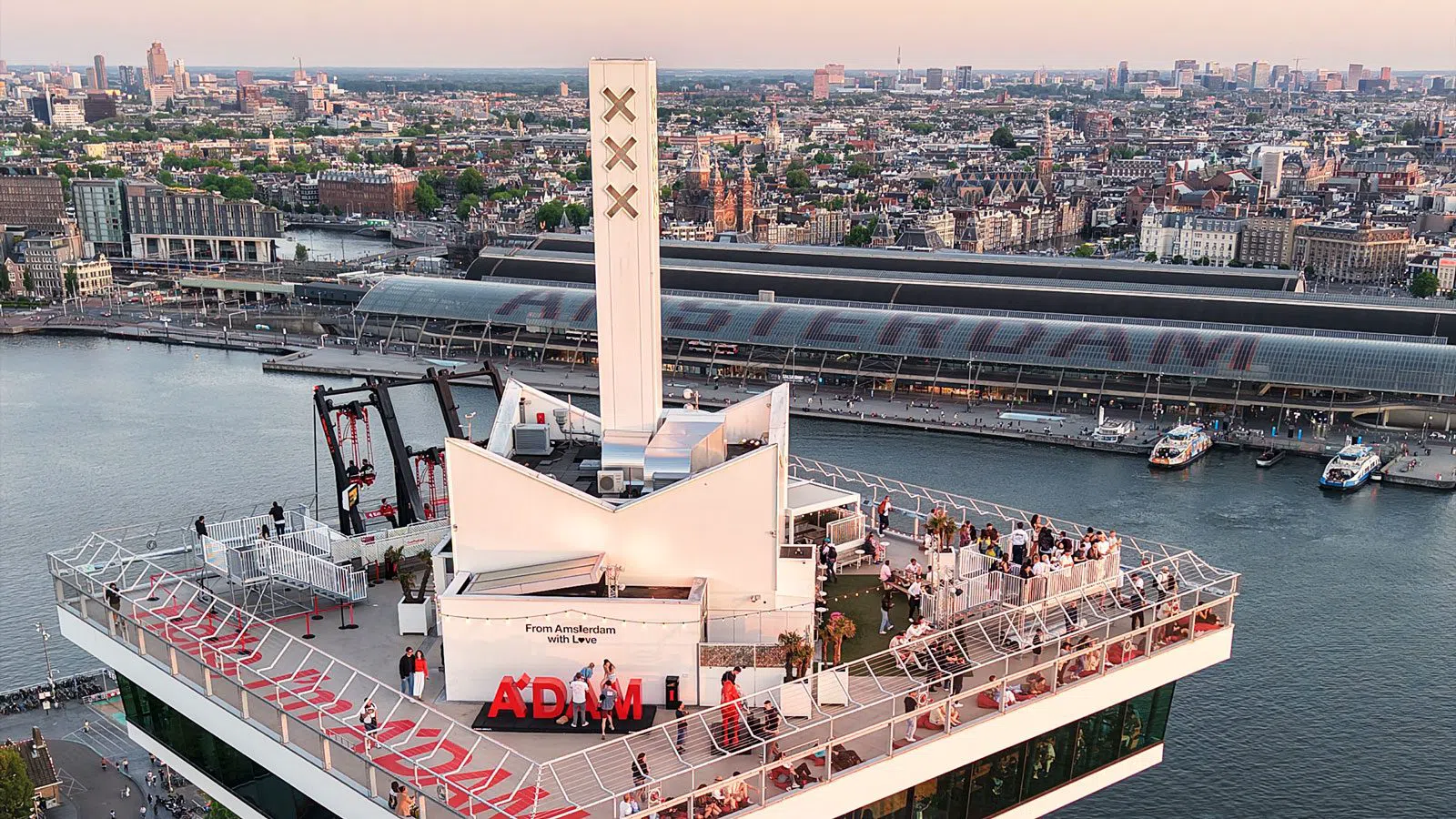
A'DAM Lookout (Overhoeks, Noord) is two minutes off the free Buiksloterweg ferry, a different pier from the NDSM boat, so check which one you are boarding. Tickets are €16.50 online or €18.50 at the door, with the swing charged on top. September's clearer post-summer air gives the sharpest views of the year, but the hours are short: 19:00 close Monday to Thursday, 21:00 Friday to Sunday. Groups are fine and the rooftop bar handles a party well; the swing takes one or two people at a time, so budget queue time if everyone wants a go.
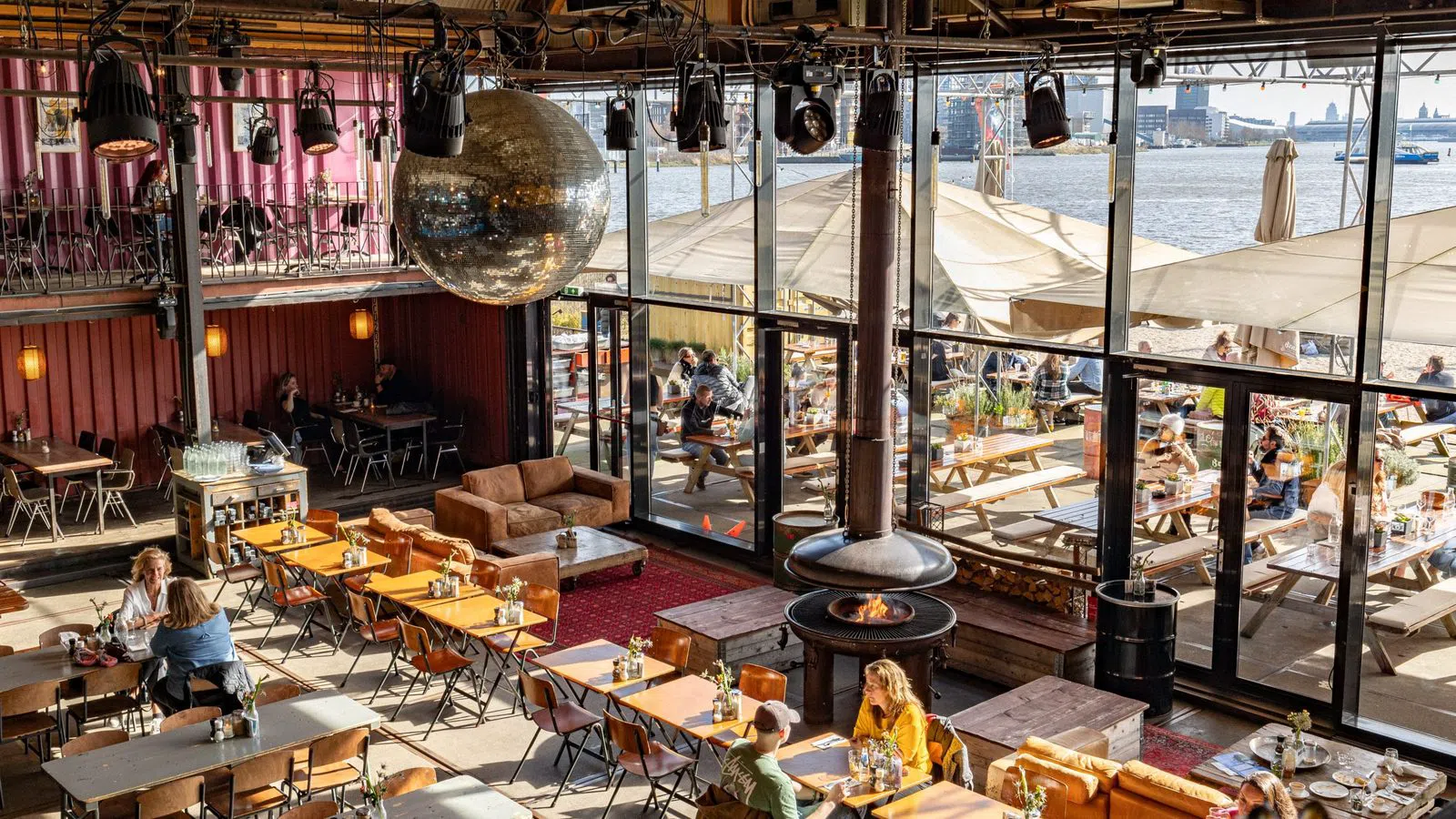
Pllek (NDSM, Noord) opens at 09:30 with the kitchen running to 22:00 and mains around €15 to €25. It sits on a man-made beach facing west, so the low evening sun lands straight on the sand. The redevelopment threat hanging over it was pushed back to roughly 2028, so it is safely open. It takes group lunch and dinner reservations, private hire and BBQ menus, which makes it the easiest place in the city to feed twelve people who all want something different.
Long tables, brown wood and a windmill terrace
Brouwerij 't IJ (Oost, under the De Gooyer windmill) has been brewing since 1985 and the tap room is free to walk into. Beers run €5 to €7, the brewery tour is about €12 and goes in English on Friday, Saturday and Sunday at 15:30 (Dutch at 16:00). Long shared tables inside, a big terrace outside, no door policy: the most straightforwardly group-friendly place on this list. A mild 18°C afternoon under the windmill is what that terrace exists for.

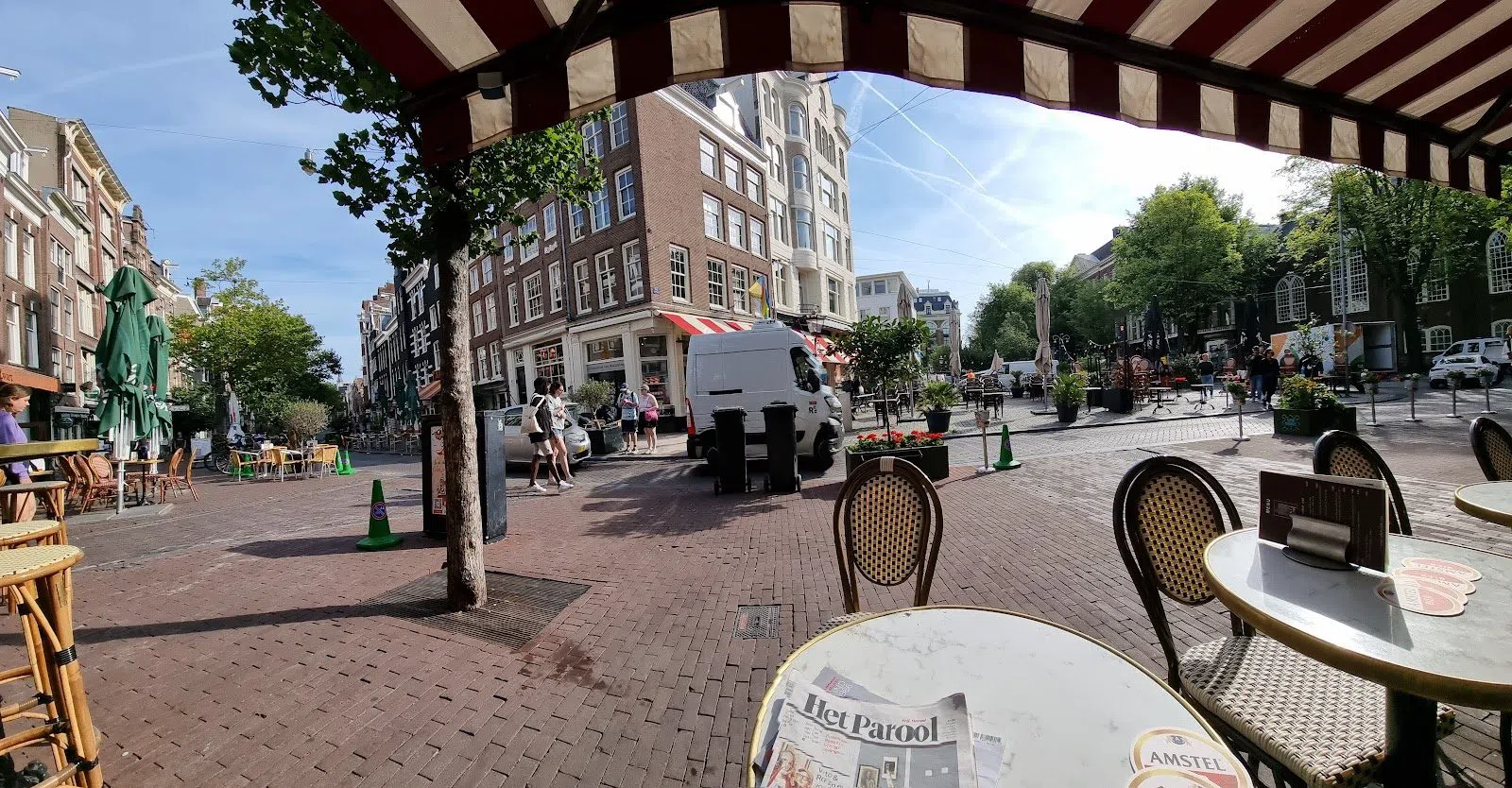
Café Hoppe (Spui, in the centre) has been pouring since 1670 and the oldest room is a listed monument inside and out. Beers are €4 to €6 and bitterballen about €8. The old bar takes no reservations and much of the crowd drinks standing outside on Spui in all weathers, which is how to use it. Informal groups are fine standing, and the adjoining café side takes bookings if you want to sit. Come for the drink and the room, not for dinner.
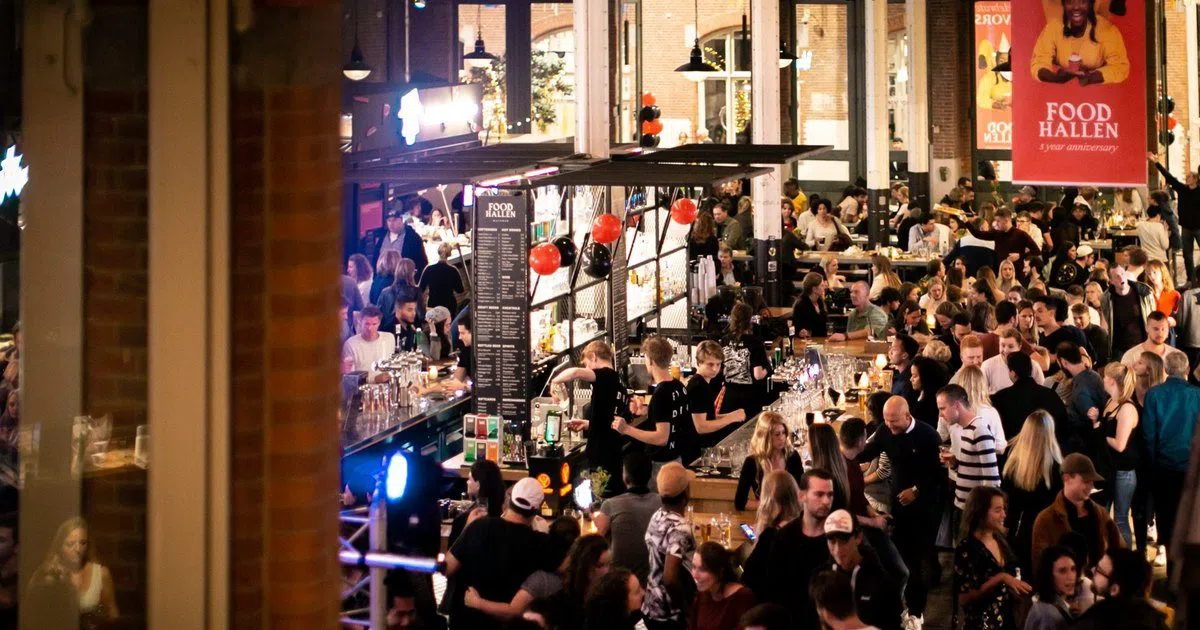
Foodhallen (Oud-West, inside De Hallen) is open daily 12:00 to 23:00, 364 days a year, with dishes from about €5 to €15. It is the obvious answer for a group that cannot agree: everyone orders from a different stall and meets at one table. No door policy, but it is genuinely rammed on Friday and Saturday evenings, so go at 17:30 or eat on a weeknight. Filmhallen next door turns a wet afternoon into a screening and dinner without going outside twice.
Free live music, but only until the 13th
Vondelpark Openluchttheater (Vondelpark, Oud-Zuid) is free, has no tickets and no reservations, and takes any size of group, because you sit on the grass. The catch is the calendar: the 2026 season runs Friday to Sunday and finishes on 13 September. If you arrive on the 20th it is simply not happening, whatever else you may read. For the first two weekends of the month it is the best free thing in the city; arrive early for a spot worth having.
Getting on the water and out of the city
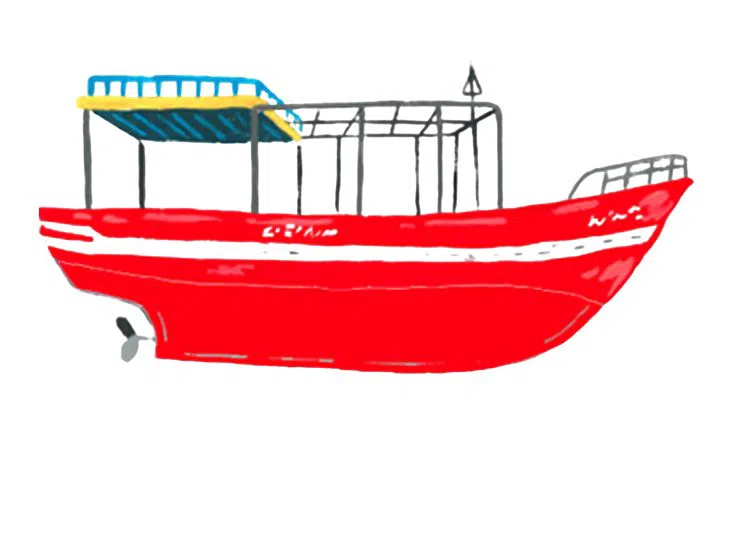
Rederij Lampedusa (departs Mediamatic, Dijksgracht 6, a short walk east of Centraal) runs 90-minute canal and Amstel trips for about €30 a head on small boats that once carried people across the Mediterranean, skippered and narrated by guides with refugee backgrounds. It is a genuine alternative to the glass-roofed fleet, and an open boat is far better in September's mild air than in August's heat. The boats are small, so a party of eight or more books the whole boat as a private charter, priced above the per-head rate.
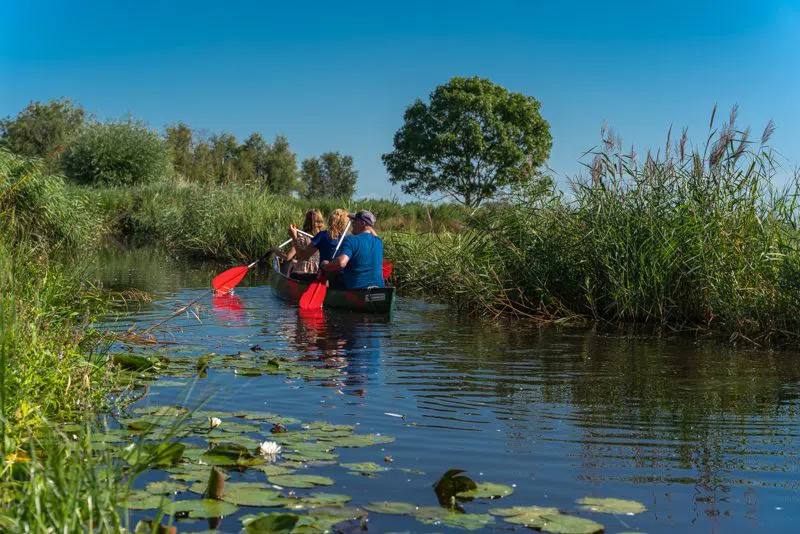
Wetlands Safari (meeting point inside Amsterdam Noord metro station) is a guided canoe day trip into 17th-century Waterland polder, fifteen minutes from the centre and running since 1995. It is about €85 including a picnic lunch, with shorter tours cheaper. Canoes are two- and three-seaters and private group departures are bookable, so nobody is left on the bank. September's cooler, calmer days are better paddling weather than August, and it answers the question of what to do outside the city without putting you on a coach.
Two trains out of Centraal
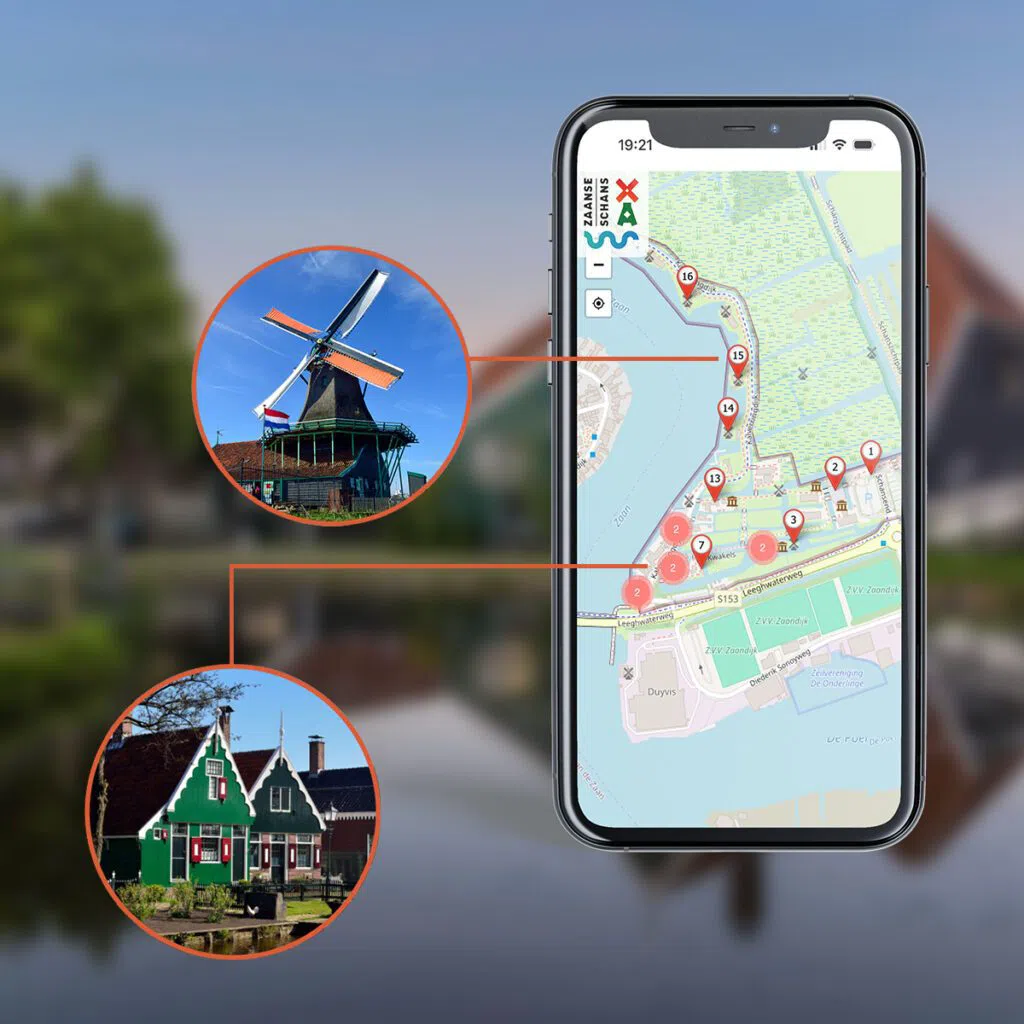
Zaanse Schans (about 15 minutes by train to Zaandijk Zaanse Schans station) is free to enter, and you should ignore the widely repeated claim of a €17.50 entry fee. That proposal was defeated and the site stays free for at least the next three years. Individual working windmills charge separately, roughly €5 to €6 each, and they are cramped inside, so a large party should pick one mill rather than attempt four. Go on a September morning and you are ahead of the coach hours entirely, which is the difference between a working village and a film set.
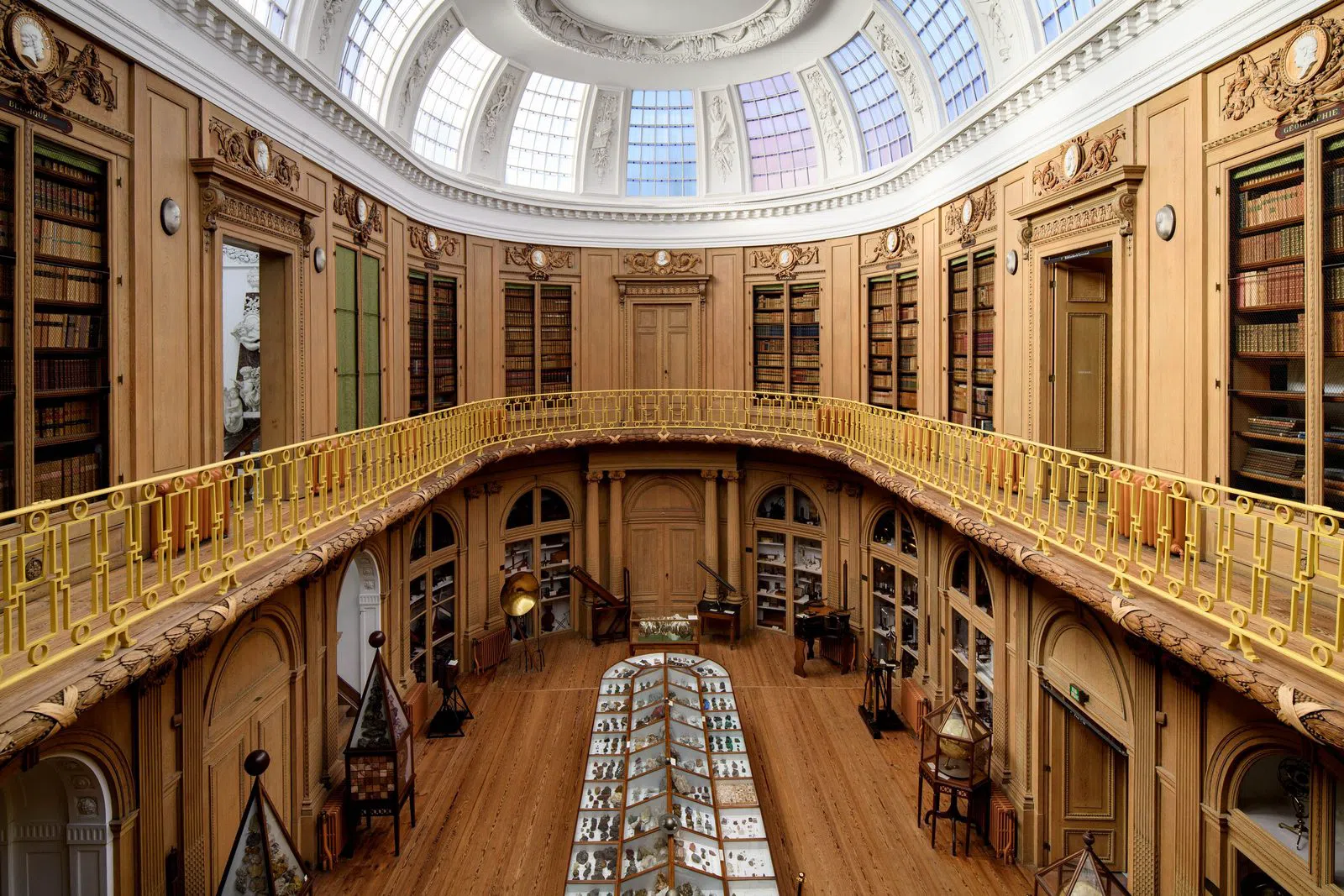
Teylers Museum (15 minutes by train from Amsterdam Centraal) is €17 and is the oldest museum in the Netherlands, with the most intact 18th-century museum interior anywhere: instruments, fossils and drawings in daylit oak cases, lit as the rooms were built to be lit. Closed Mondays, open Tuesday to Sunday, 10:00 to 17:00. Groups are taken by arrangement and guided in sections because the historic rooms are small. More than anything else here it makes the case for treating the city as a base rather than a single destination, because half an hour on a train buys a completely different day. The rest of our Amsterdam guide covers what else sits inside that radius.
Practical notes
Transport. Trams, buses and the metro all take contactless bank cards and phones. Tap in and tap out, every time, including on the metro. A GVB day ticket is around €9 to €10 and pays for itself above roughly four rides in 24 hours; below that, pay per journey. The Centraal ferries to Noord are free and need no ticket at all. Most of the centre is walkable end to end in half an hour. Rent a bike only if you are genuinely comfortable in traffic where trams, scooters and commuting cyclists all outrank a visitor.
Cash. Carry a card rather than notes. Many cafés, museums and market stalls are card-only, and a handful of older places still prefer a debit card to a credit card, worth checking before you order a round. Twenty euros in cash covers the exceptions.
Timing. Book the Rijksmuseum and the Van Gogh Museum the moment your dates are fixed. Set a reminder for the Anne Frank House release six weeks ahead. Then check days of the week: A'DAM Lookout's early close, Teylers Museum shut on Mondays, STRAAT Museum's noon opening on Mondays, the park theatre finishing on the 13th. September's avoidable mistakes are almost all opening hours, not crowds.
Budget. Two museums, lunch at a food hall and a couple of beers lands around €60 to €70 a person per day before accommodation. A canal trip or the canoe day pushes a single day well past that, so pick one splurge and let the free things carry the rest: the ferries, the village at Zaanse Schans, an early-month evening on the grass, and a beer standing outside a brown café while a shower passes over.
Before you go
Is September actually quieter in Amsterdam, or does it just feel that way?
The change is gradual. The first week still carries a summer tail; from the second week, once northern-European school holidays end, museum queues and canal-belt pavements thin out noticeably. The big timed-entry museums still sell out, so quieter streets do not mean walk-up tickets.
How far ahead do I need to book Anne Frank House tickets?
Six weeks ahead, to the day. Tickets go on sale only at annefrank.org, on Tuesdays at 10:00 CET for the date six weeks later, with a smaller same-day release at 09:00. Midday slots go within minutes. Nothing is sold at the door, no city pass covers it, and there are no public group sales.
What do I do in Amsterdam when it rains in September?
Rain usually passes in twenty minutes, so keep a fallback in mind rather than building the day around it. Good indoor hours: STRAAT Museum in Noord, the heated glasshouses at Hortus Botanicus, Foodhallen with a Filmhallen screening next door, and standing in Café Hoppe on Spui. Bring a shell jacket instead of an umbrella, because the wind off the IJ destroys umbrellas.
Is there really a €17.50 entry fee for Zaanse Schans?
No. That proposal did not pass, and the village stays free to enter for at least the next three years. You pay only for the individual working windmills, roughly €5 to €6 each. The train to Zaandijk Zaanse Schans station takes about 15 minutes, and a September morning is well clear of the coach hours.
Can I use the city as a base for trips out, or should I move hotels?
Stay put. Teylers Museum is 15 minutes from Centraal by train, Zaanse Schans about the same, and the Wetlands Safari canoe trip meets at Amsterdam Noord metro station. Each is a half-day or day out with no luggage to move, which is cheaper and simpler than splitting a short trip across two hotels.